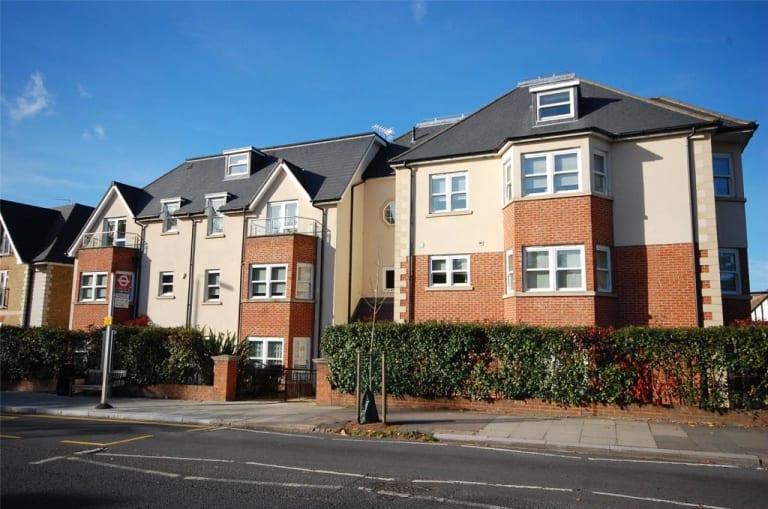
We installed 7 Easee 22kW chargers with 9 future-ready points at Denver Court in Hendon, securing £6,950 in OZEV grant funding. The project used armoured cable on high-level cable tray for a robust future-proof system, with daisy-chained infrastructure across 3 circuits and Easee Equaliser load management.
Denver Court is a residential apartment block in Hendon, North London. The building needed EV charging infrastructure that would serve current residents while allowing for future expansion as more drivers switch to electric vehicles. Here is a snapshot of what we delivered.
| Property Type | Residential Apartment Block |
| Location | Hendon, London N3 |
| Project Duration | 10-12 days |
| Chargers Installed | 7 x Easee 22kW |
| Future-Ready Points | 9 x Easee Ready |
| Total Infrastructure | 16 Points (3 Circuits) |
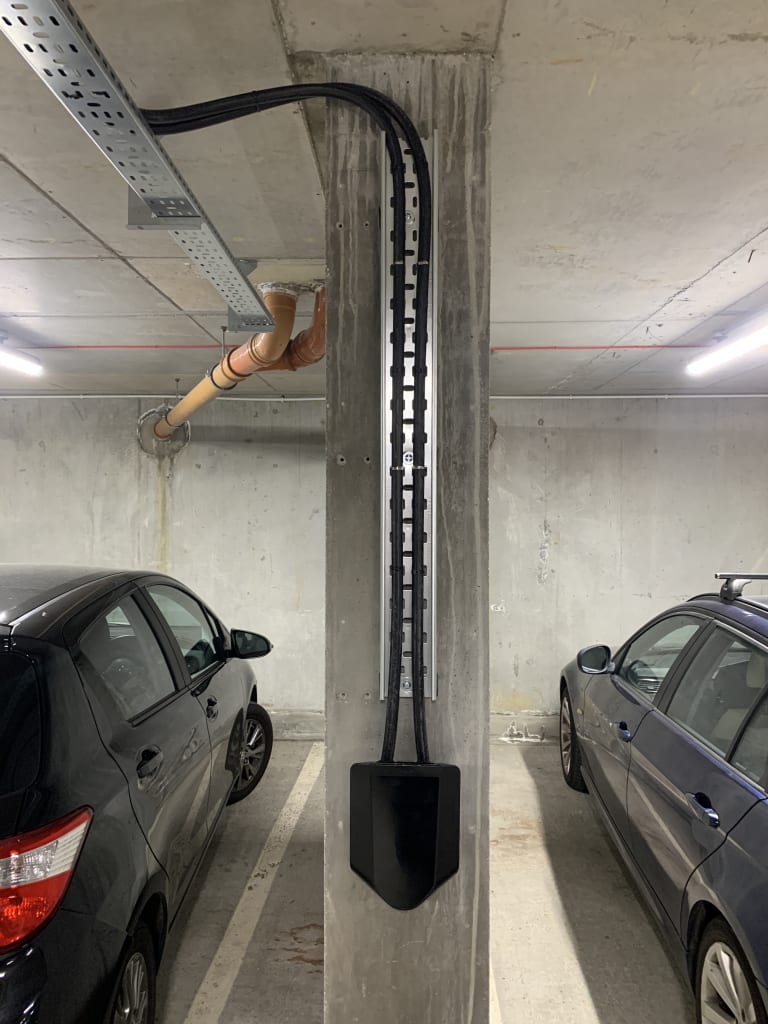
| Cable System | Armoured Cable on High-Level Tray |
| Load Management | Easee Equaliser |
| Funding Secured | £6,950 (OZEV Grant) |
| Billing | Automated Resident Platform |
| Client | Cyril Leonard |
We were approached by Cyril Leonard, the property management company for Denver Court, to deliver EV charging for residents at this Hendon apartment block. Several residents had already purchased electric vehicles and were asking when charging would become available. Others were watching the market and wanted the option to charge at home when they made the switch. The residents' committee had discussed the project at previous AGMs. There was interest but also hesitation from some residents who were not planning to buy an electric vehicle in the near future. The directors needed an approach that would satisfy current EV drivers, give undecided residents flexibility, and make the most of the available government funding before the grant scheme closed.
The residents at Denver Court were divided on the project. Some supported installing chargers, while others questioned whether the investment was worth it for a facility they might never use. Several residents had concerns about how the billing would work and whether it would affect their service charge. The property management company needed a solution that would address these concerns head-on. Some residents were worried about subsidising other people's electricity usage through shared costs. Others wanted to wait and see if they would buy an electric vehicle before committing to any infrastructure. The project needed to demonstrate clear value and fair billing from day one.
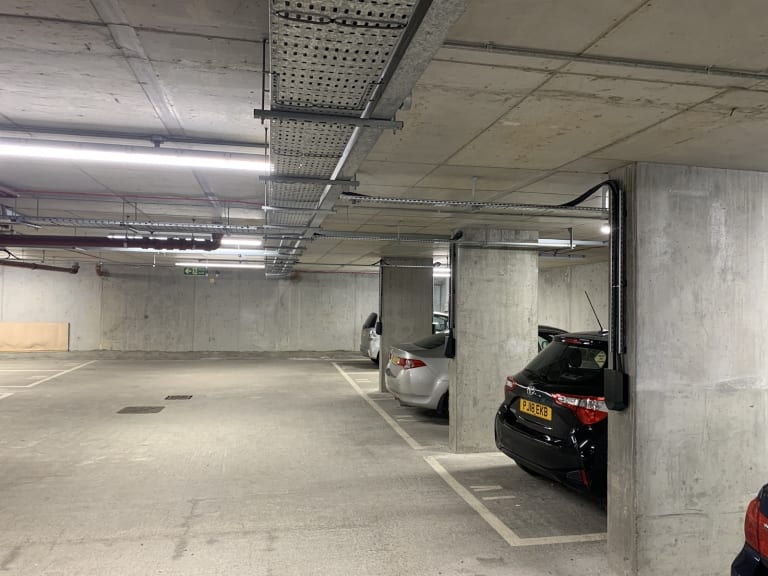
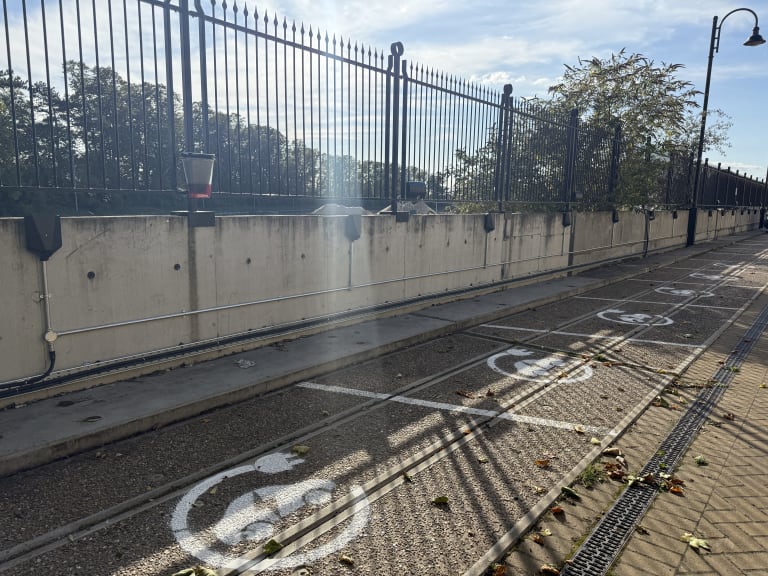
The car park at Denver Court has tight parking spaces where residents need every centimetre of clearance to open their doors. Traditional wall-mounted chargers would have protruded into the parking bays and reduced usable space. Any charger installed needed to sit as close to the wall as possible without affecting how residents parked. The low ceiling height and narrow aisles made the installation more complex. Large or bulky units would have created obstacles for drivers manoeuvring in the confined space. The solution needed to be low-profile and positioned at a height that would not interfere with vehicles or pedestrians moving through the car park.
Several residents at Denver Court were not ready to commit to a charger but did not want to miss out on the OZEV grant funding. The grant window was closing, and once it ended, there would be no government support for future installations. These residents wanted the option to add a charger later without paying full price. The building needed a way to claim grant funding now for infrastructure that would serve future EV drivers. Installing active chargers for everyone would have been wasteful since many residents did not yet own electric vehicles. The solution needed to balance immediate needs with long-term flexibility while maximising the available funding.
We held a resident meeting at Denver Court before the project started. The session explained how the system would work, how billing would be handled, and answered questions from residents who were unsure about the project. This gave everyone a chance to understand the system before installation began. Our billing platform charges residents only for the electricity they use. Each driver pays per kilowatt-hour through the app or RFID card, and funds transfer directly to the managing agent's service charge account. Non-EV drivers pay nothing. The system provides automatic reconciliation reports each month, removing any admin burden from the property management team. Residents who were concerned about subsidising others now saw exactly how the costs would be allocated fairly.
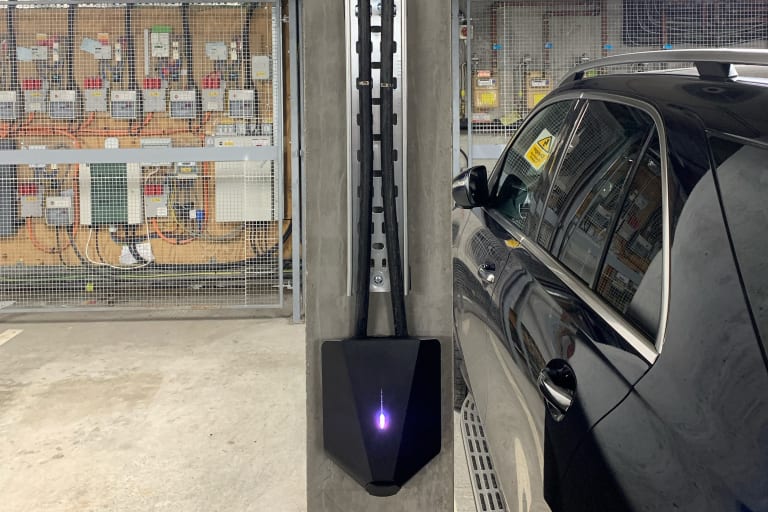
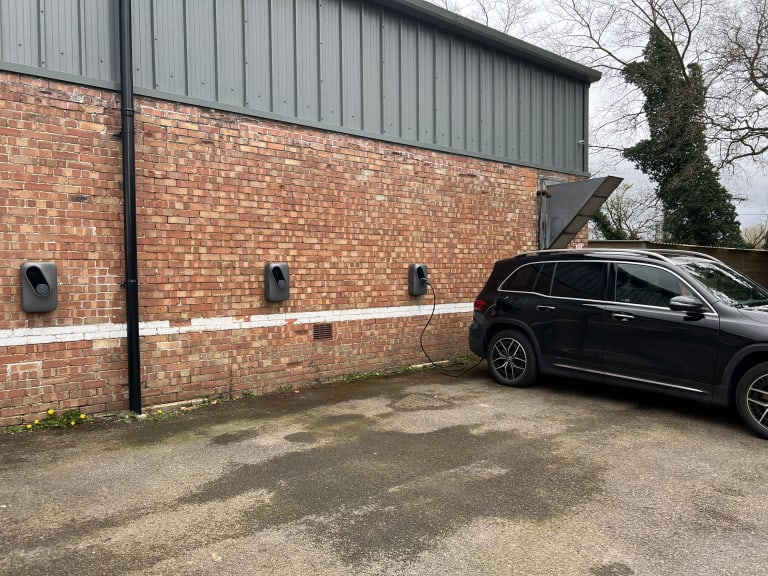
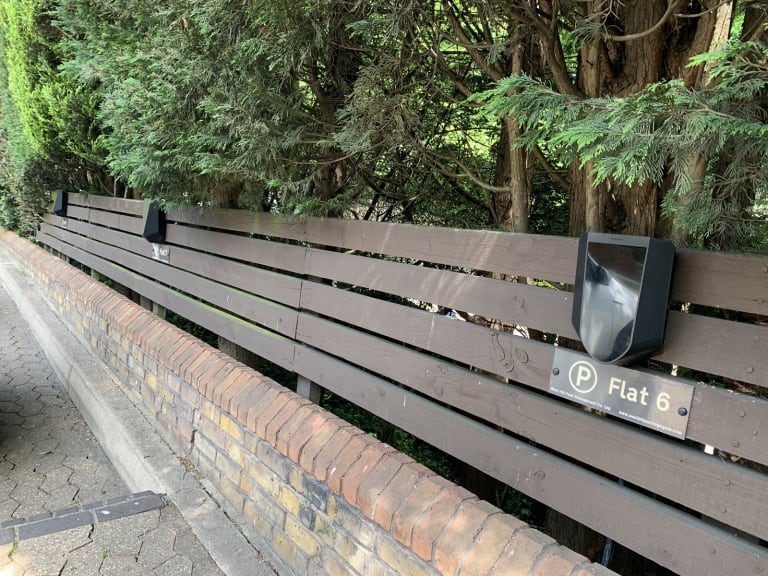
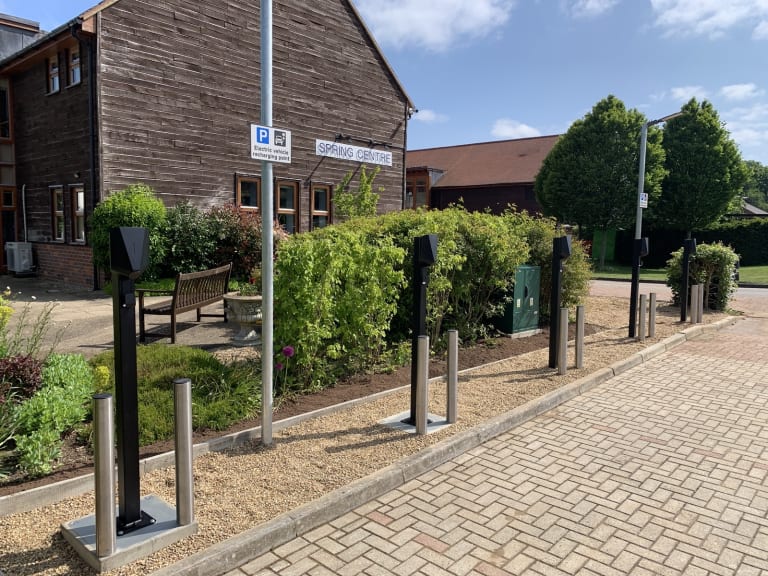
We installed Easee 22kW chargers for the 7 residents who wanted active units. The Easee has one of the smallest footprints of any commercial-grade charger on the market. Its compact design sits close to the wall without protruding into the parking bay. The units were mounted at an accessible height that did not obstruct the narrow aisles. The small frame and clean design meant the chargers blended into the car park environment rather than creating visual clutter. Drivers can plug in without needing extra clearance, and the charging cable stows neatly against the unit when not in use. The result was a practical installation that worked within the tight spatial constraints of the existing car park.
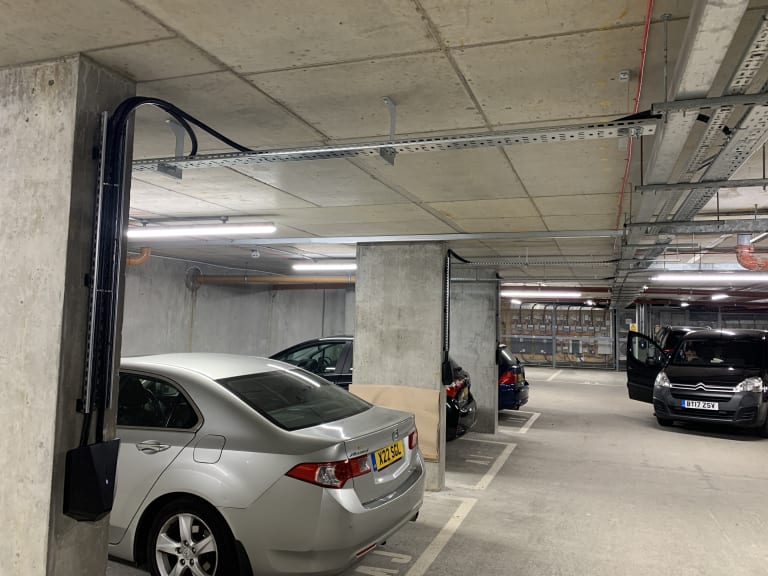
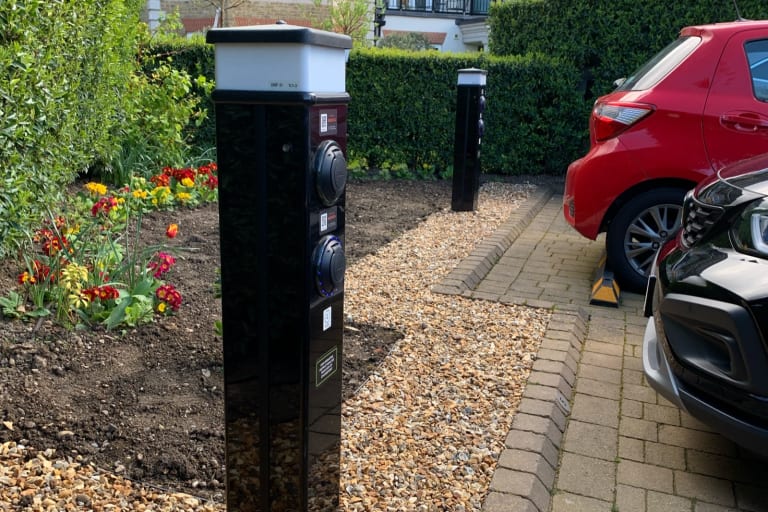
For the 9 residents who were not ready for a charger, we installed Easee Ready units. These are backplates with all the necessary wiring and connections in place, ready to accept a full charger at any time. The resident simply purchases the charger module when they need it, and it clicks onto the existing backplate in minutes. This approach allowed the building to claim OZEV grant funding for all 16 points now, rather than waiting until the grant closes. Residents who buy electric vehicles in the future can activate their charging point without any additional electrical work or infrastructure costs. The daisy-chained armoured cable running on high-level cable tray connects all 16 points across 3 circuits, with the Easee Equaliser managing load across the entire system. This provides a robust network that can expand as more residents switch to electric vehicles.
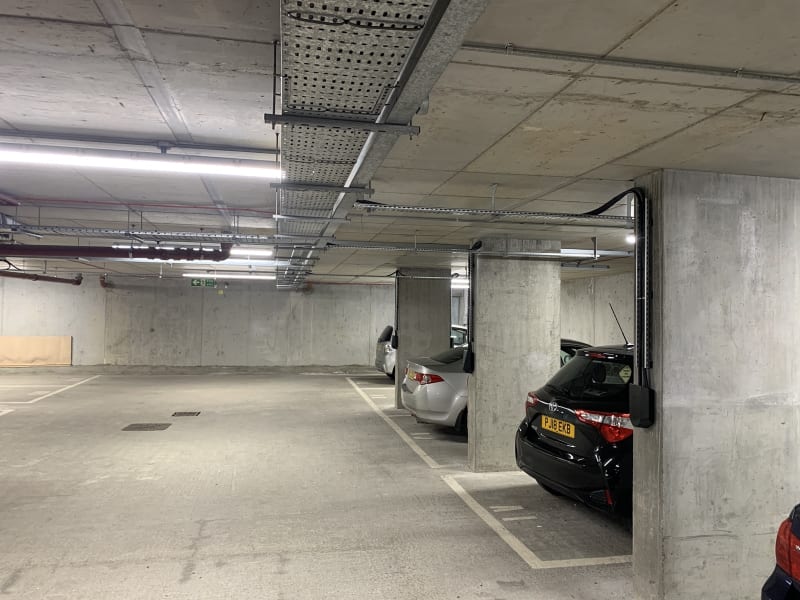
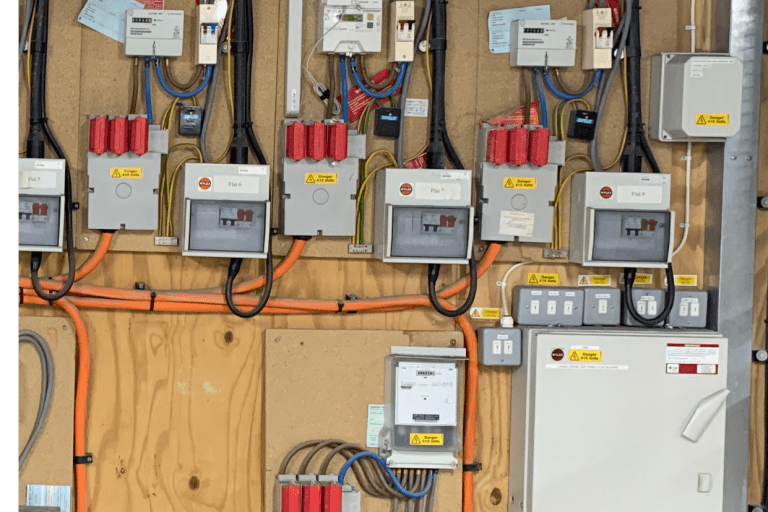
Denver Court now has 16 charging points across 7 active chargers and 9 future-ready installations. Armoured cable installed on high-level cable tray provides a robust future-proof network throughout the underground car park. The Easee Equaliser manages load across all 3 circuits, allowing multiple vehicles to charge simultaneously without exceeding the building's electrical capacity.
The £6,950 OZEV grant reduced costs for residents. The building used its existing electrical supply, so there was no need for a new DNO connection or expensive upgrade work. The infrastructure is built to scale as more residents switch to electric vehicles, with future-ready points that can be activated in minutes.
The billing platform handles all payments automatically, with funds going straight to the service charge account. The managing agent receives monthly reports without any day-to-day admin. Residents who attended the pre-installation meeting now understand exactly how the system works. The project was completed in 10-12 working days with minimal disruption to the car park.


Every project surveyed, installed, commissioned and monitored by our own team. Grants secured and managed end to end.
View all case studiesTell us about your site. We survey, explain your options, and give you a clear quote with no obligation.
Enter your details below and one of our solar experts will be in touch.