Step 01
Survey
We look at your usage, your supply and your space, then talk through what size makes sense. No obligation, no pressure.
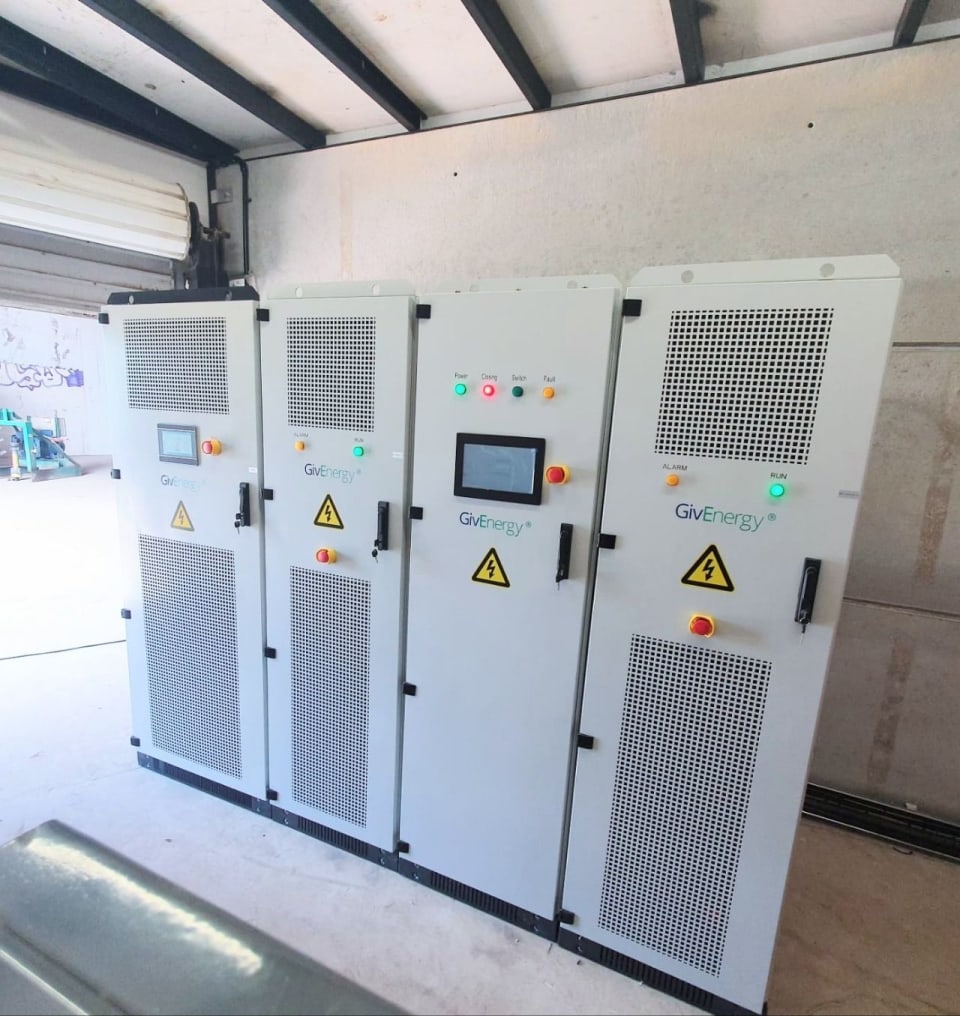
A battery stores cheap electricity so you stop buying expensive electricity. Fill it from your solar panels, or from low night rates, and run on stored power when prices peak. We design, install and monitor the whole system, and homes pay 0% VAT until 31 March 2027.
One battery. Two ways to fill it. Most people assume you need solar panels before a battery makes sense. You do not.

From your roof. Solar panels generate most of their power in the middle of the day, which is exactly when most homes and businesses use the least. Without a battery, that surplus is exported to the grid for a few pence per unit. With one, it is stored and used in the evening at full value. Your panels finally work the hours you do.
From the grid, at night rates. Smart tariffs now sell overnight electricity from around 7p to 8p per kWh, while the standard rate is 26.11p. A battery charges while you sleep and runs your property through the day at the cheap rate. On current rates, a typical 10kWh battery cycled daily keeps a household roughly £500 to £600 a year. No panels required, and a standalone battery still qualifies for 0% VAT in homes.
Most of our customers end up doing both. Solar fills the battery in summer. Night rates fill it in winter. Either way, the expensive daytime unit is the one you stop buying.
Installed prices track the size of the battery, and bigger systems cost less per unit of storage. The figures below are the national medians from MCS installation data, which records real installs rather than brochure prices.
Your quote depends on the property. Wall or floor mounting, the state of the consumer unit, cable runs, and whether we are fitting solar on the same visit all move the number. A fixed online figure is only ever a guide, which is why we survey first and then give you one fixed, itemised price.
Two things work in your favour right now. Home installations carry 0% VAT until 31 March 2027, including batteries fitted without solar. And the market has scaled fast enough that hardware prices keep drifting down. Over 41,000 UK homes fitted a battery in 2025, nearly double the year before.
If you have solar panels, a battery is the upgrade that makes them pay properly. Instead of exporting your surplus for pennies through the day and buying it back at 26p in the evening, you keep your own power and use it when you need it.
If you do not have solar, the night rate route stands on its own. Charge the battery overnight on a smart tariff, run the house on stored power through the day, and let the system repeat that automatically. If you drive an EV you are probably on one of these tariffs already, and the battery simply puts the whole house on the same cheap rate as the car.
On sizing, a typical home system is around 10kWh, but the right answer comes from your actual usage. We look at your consumption at survey and size the battery to match, not the other way round. We are not tied to one manufacturer, and every battery we fit is covered by a 10 year warranty as standard, with modern units rated for roughly 6,000 charge cycles. That is well past a decade of daily use.

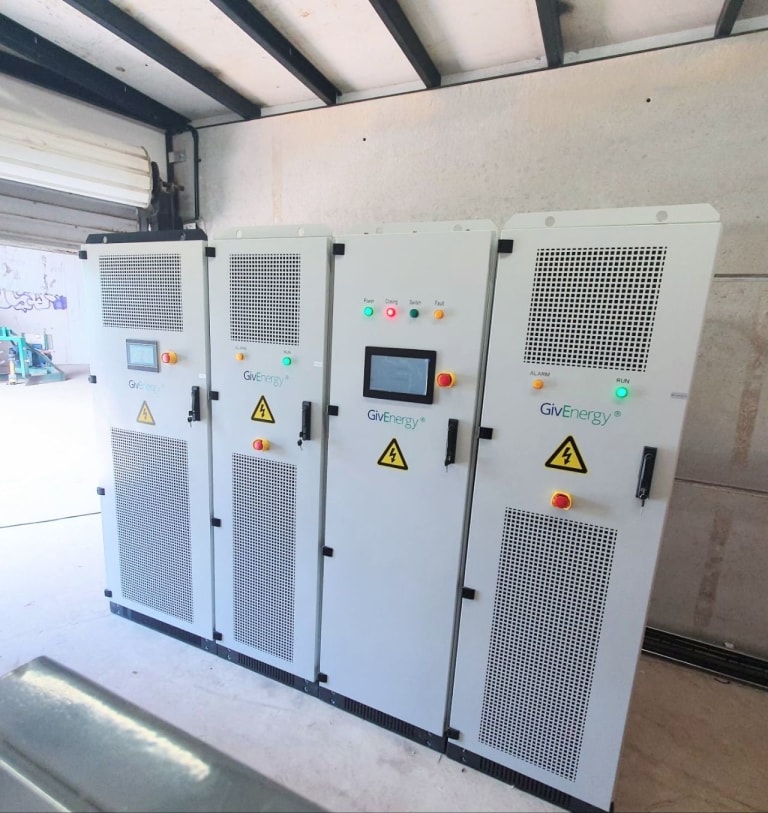
Commercial sites feel electricity prices harder than homes because the working day sits inside peak hours. A battery moves that consumption to cheaper periods. Charge it overnight or from rooftop solar, then run daytime loads from storage instead of the grid.
It also keeps critical systems running through an outage. For sites with refrigeration, servers or access systems, that alone can justify the install.
Batteries work hardest on sites that already generate or already charge. If you have solar on the roof, storage stops your generation being exported at midday and wasted. If your staff or fleet charge EVs on site, a battery smooths the load and shields the site from peak tariffs. We design all three as one system.
On tax, the numbers are friendlier than they first look. The 0% VAT rate covers homes, so a commercial install is charged at 20%, but a VAT registered business reclaims that in the normal way. Battery storage usually counts as plant and machinery too, so the cost can come off your taxable profit through capital allowances like full expensing. Your accountant will confirm what applies to your company, and we will show you the real numbers at survey.
Three phase supplies, grid applications and export limits are our day to day work. We handle the paperwork with the network operator as part of every commercial install.
We do not fit and forget. Every battery we install runs on smart monitoring, watched by the same team that fitted it.
Solar, battery and EV charging sit together on one platform. You see what you generate, what you store, what you use and what you export, all from one app. The system decides when to charge and when to hold, based on your tariff and your usage. If a fault appears, we usually know before you do.
That is the difference between buying a battery and buying a system. Boxes are easy to sell. Systems keep working for twenty years.


A home battery is usually a cash purchase, and that is what stops most people. From September 2026 the Warm Homes Loan Scheme is expected to change that for domestic installs. Businesses are not eligible, but capital allowances usually apply instead, and we will tell you which applies to you.
Battery storage carries its own £15,000 cap under the Warm Homes Loan Scheme. Fit solar at the same time and it has a separate cap again.
What it coversResidential battery installs are VAT free until 31 March 2027, whether or not you fit solar alongside. Commercial installs are standard rated.
Lenders began joining in June 2026 with products approved through the summer. We will tell you plainly when it is real rather than announced.
When it startsFive steps, end to end
We handle every stage from first survey to lifetime monitoring. One team, our own engineers, and one fixed price for the whole system. You do not chase trades or fill in a single form.

We look at your usage, your supply and your space, then talk through what size makes sense. No obligation, no pressure.
One fixed, itemised price. Battery, installation, electrical work, the lot.
We handle the network operator notifications and approvals. You do not fill in a single form.
Our own engineers fit the system to BS 7671 wiring standards under MCS certification. Most home installs are done in a day.
We set up the app, connect your tariff, and keep watching the system for its whole life.
We are not tied to one brand. We select the right battery and inverter for your property, your tariff, and how you actually use energy.





Solar PV
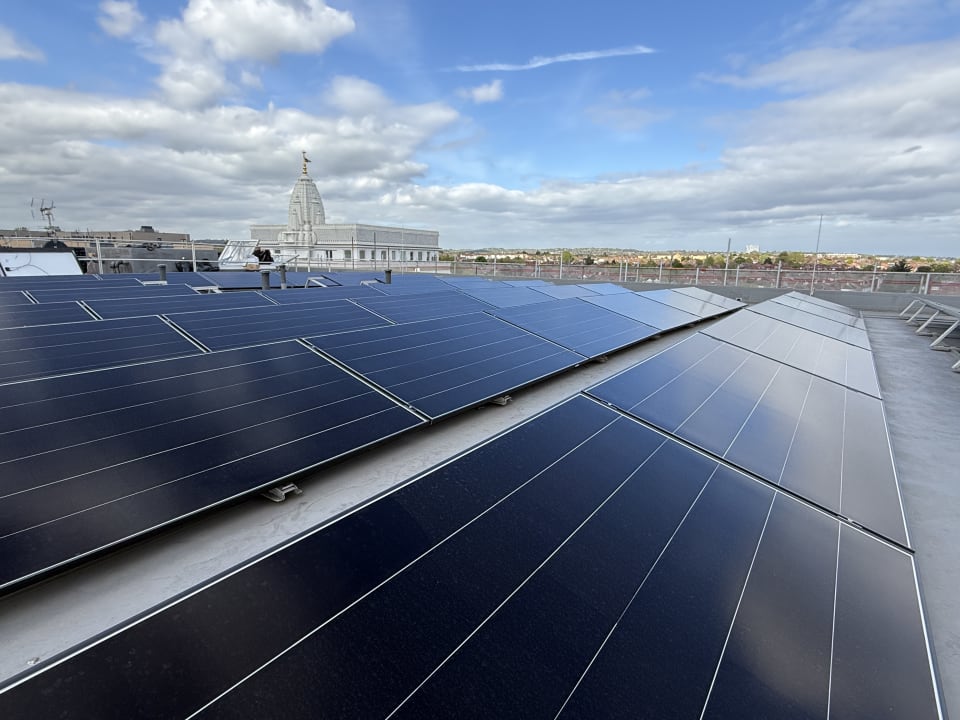
Add solar and your battery fills itself. Panels, inverters and storage, designed and installed as one system.
Explore solar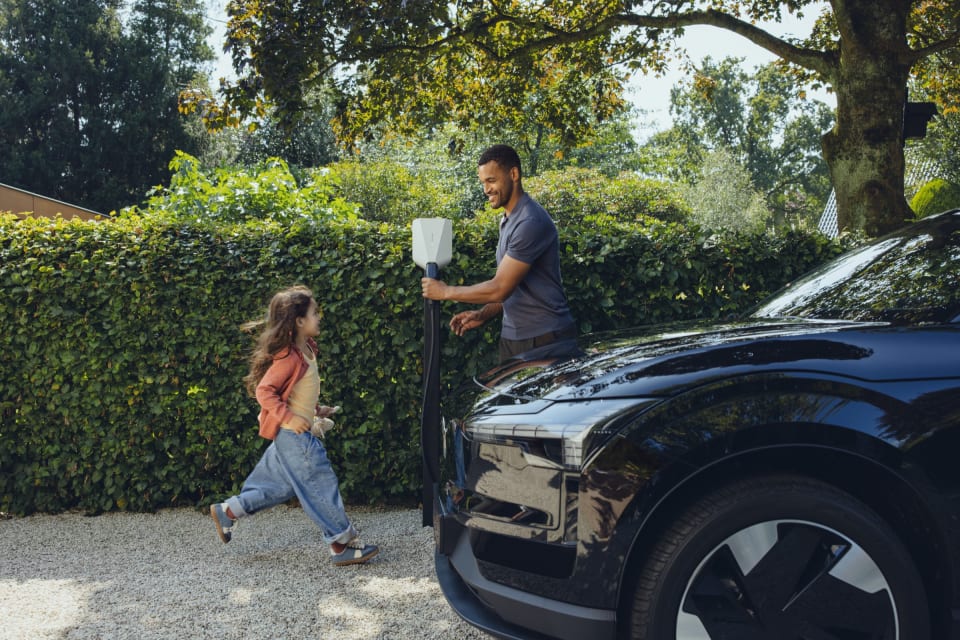
EV Charging
Charge your car at home on cheap overnight rates, or install charging for staff, fleet and visitors. Home and commercial charging, managed by evon.
Explore EV chargingFor most homes with solar panels or a cheap overnight tariff, a home battery is worth it. It stores cheap electricity and runs your house on it when prices peak.
Yes. A battery works fine on its own. It charges from the grid overnight on a cheap smart tariff, often from around 7p per kWh, then runs your house through the day.
Yes. Most existing UK solar systems can take a battery, including older ones fitted years ago. In most cases we add a separate battery inverter alongside your current solar inverter, so nothing on the…
Most UK homes need a battery between 5kWh and 13kWh. The right size matches the electricity you use in the evening and overnight, which is when a battery does its work.
A home battery in the UK comes with a 10 year warranty as standard. Modern lithium iron phosphate batteries are built for around 6,000 charge cycles, which is roughly 16 years of daily use.
Yes, when supplied and fitted by an installer. Home battery installations qualify for 0% VAT in England, Scotland and Wales until 31 March 2027.
Yes. A home battery can charge overnight on an off peak tariff and run your house through the day on that cheap power, with no solar panels needed.
Think of a battery like a water butt for electricity. It fills up when power is cheap or free, from your solar panels or from low night rates, and you draw on it later when power is expensive.
Every answer written and reviewed by the team that handles your install. Updated as pricing, tariffs and regulations change.
View all battery storage FAQsTell us about your property or your site and we will size the system, price it properly, and handle everything from paperwork to monitoring. No commitment.
Enter your details below and one of our solar experts will be in touch.