Tell us what you have
How many sockets you have, roughly where the site is, and who installed it. Companies that have since stopped trading are common, and not a barrier.
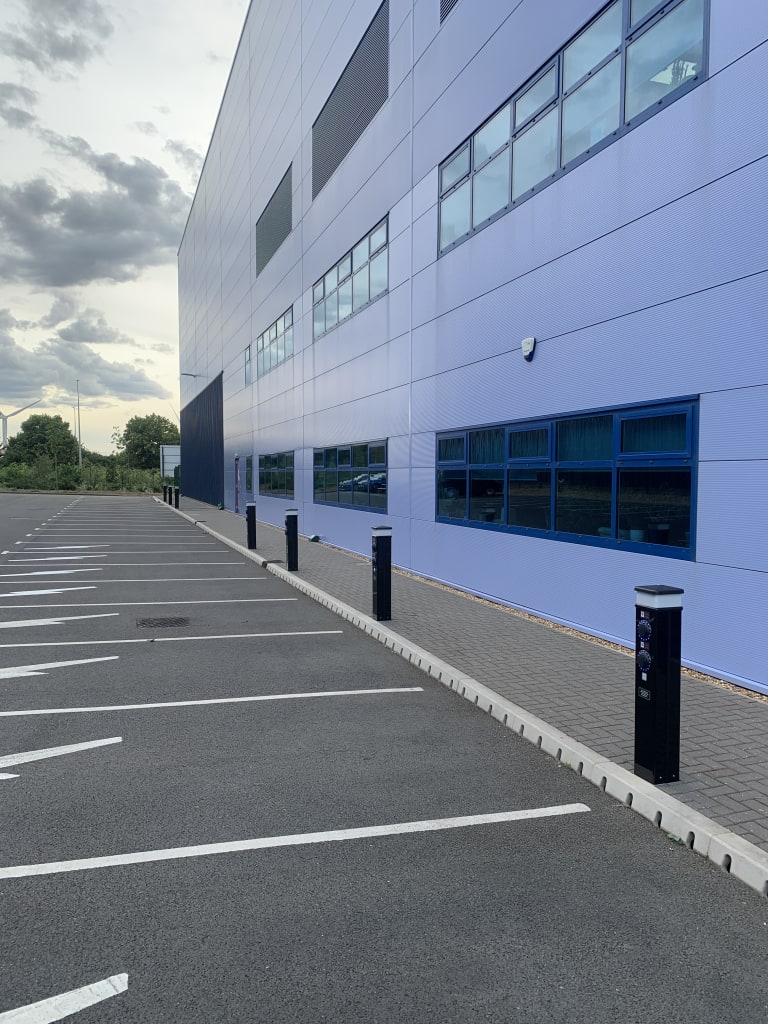
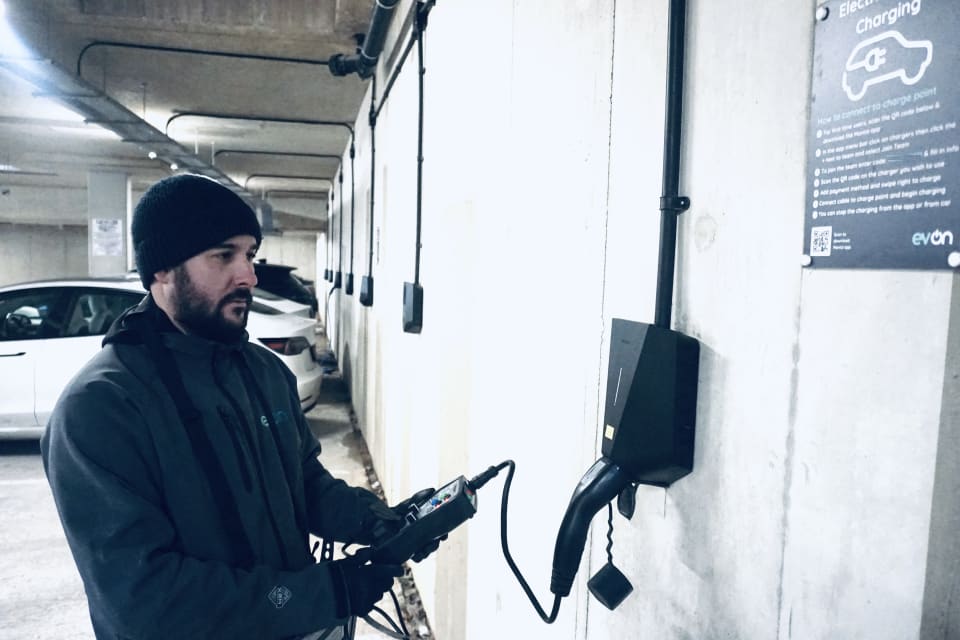
We keep EV chargers working on sites that somebody else has to answer for. Planned visits, monitoring in between, and a response time you can put in front of residents or a board.








We maintain chargers across London and a wide surrounding area. Some of them we installed. Many we did not.
Looking after a charger at home rather than a commercial site? Go to EV charger repair and servicing for homes.
We install and manage EV charging across London and the surrounding area, and we have been doing the maintenance side for as long as we have been installing. See how this works alongside apartment and communal charging, workplace charging and fleet and depot charging.
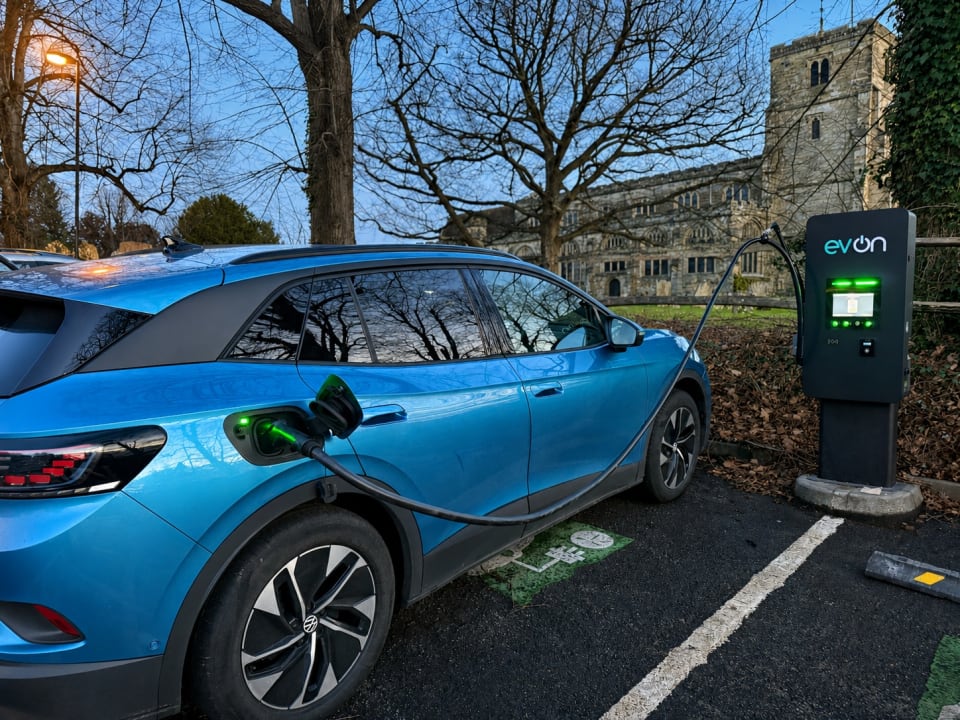
Work carried out to BS 7671, by engineers with EV specific qualifications.
A real management and maintenance contract, not a service description. What is included is published on this page, and so is what is not.
Annual maintenance reports written and delivered to client management companies, covering what was inspected, what was found and what was done about it.
An installed base is already under contract across London and the surrounding area, so this is not a new line of business for us.
Accredited to the highest standard. Every project certified to the highest industry standards from design through to commissioning, signed off in-house by our own accredited team.







How many sockets you have, roughly where the site is, and who installed it. Companies that have since stopped trading are common, and not a barrier.
Before a third party charger goes onto a maintenance contract we inspect it. We need to know what is actually there, what condition it is in, and whether the installation still meets current standards.
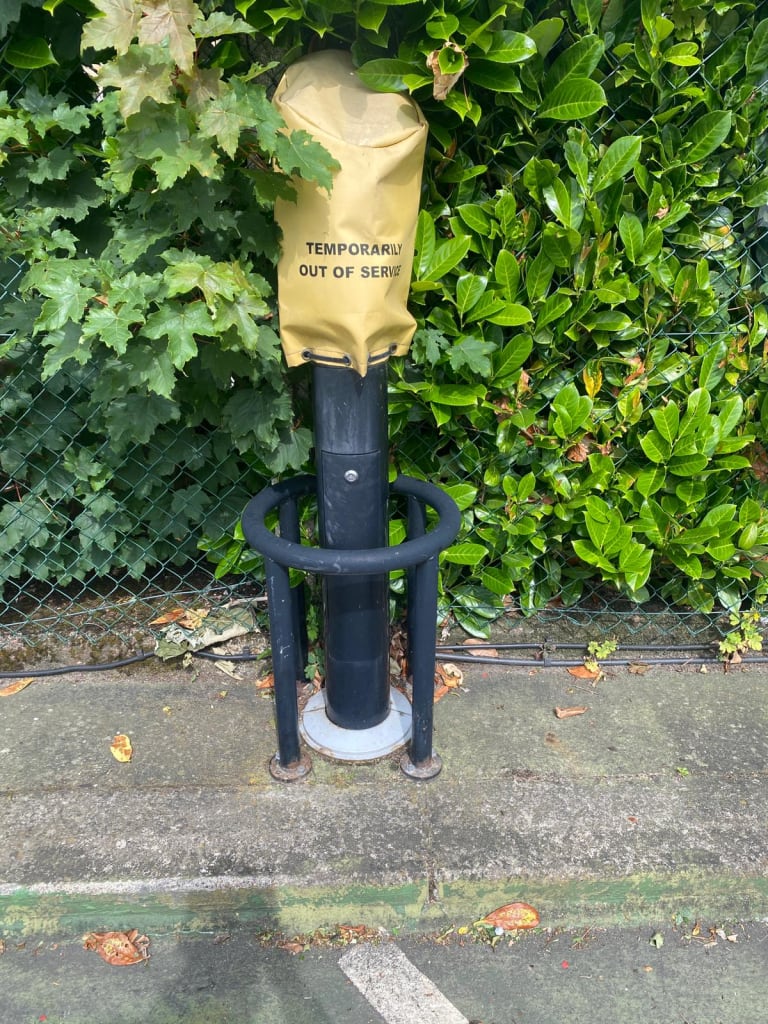
What is there, what condition it is in, what still meets current standards and what does not. Chargers fitted before the open PEN protection rules came in are a common example.
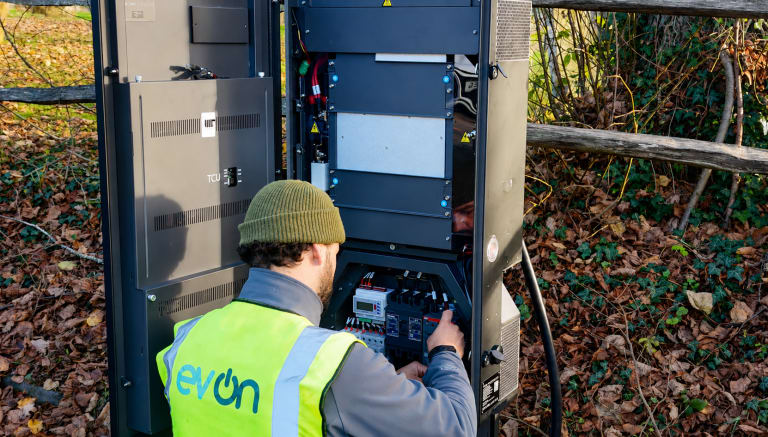
Accepted chargers go onto the package that fits the site. Even if you decide not to put them on a contract, you will know what you are holding.
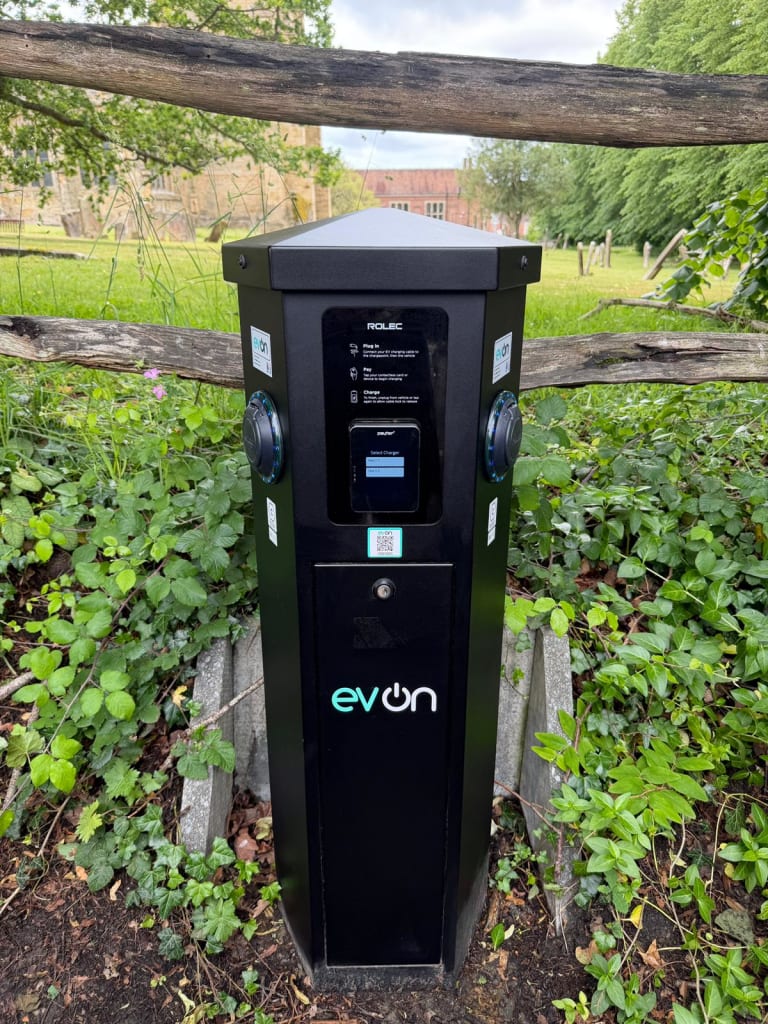
Whoever fitted it, whatever the brand, we diagnose first and replace last. Logged, fixed and signed off by evon.
Request the maintenance packageFault logged
Charger works but the app is dead. No support line answers. You cannot see charging history or start a session remotely.
Resolved · with evon
Remote diagnostics, firmware updates and account recovery. Most software faults are cleared the same day without a site visit.
Fault logged
The charger died after a power cut and nobody knows which breaker feeds it. The unit shows nothing and the manual is long gone.
Resolved · with evon
We test the circuit, not just the unit. Supply faults are traced to the breaker, RCD or wiring and repaired to standard.
Fault logged
A cracked case, water ingress or a severed cable. The unit still powers on, so nobody is sure if it is safe to use.
Resolved · with evon
We make it safe the same visit, then repair or replace on honest advice. If a repair is not economical we say so with a fixed price.
Fault logged
The company that fitted the charger has stopped answering. Warranty paperwork, app access and spare parts all went with them.
Resolved · with evon
We adopt orphaned installations across every major brand. Access recovered, spares sourced and the unit brought under evon cover.
Fault logged
The manufacturer wants the original installer to handle the claim. Without them the warranty is worth nothing on paper.
Resolved · with evon
Where a claim is valid we handle it with the manufacturer directly. Where it is not, you get a plain price before any work starts.
Fault logged
No certificates, no test records, no handover pack. Selling the property or making a claim turns into a search through old emails.
Resolved · with evon
Records rebuilt, tested and stored digitally against the site. Ready to share the day anyone asks for them.
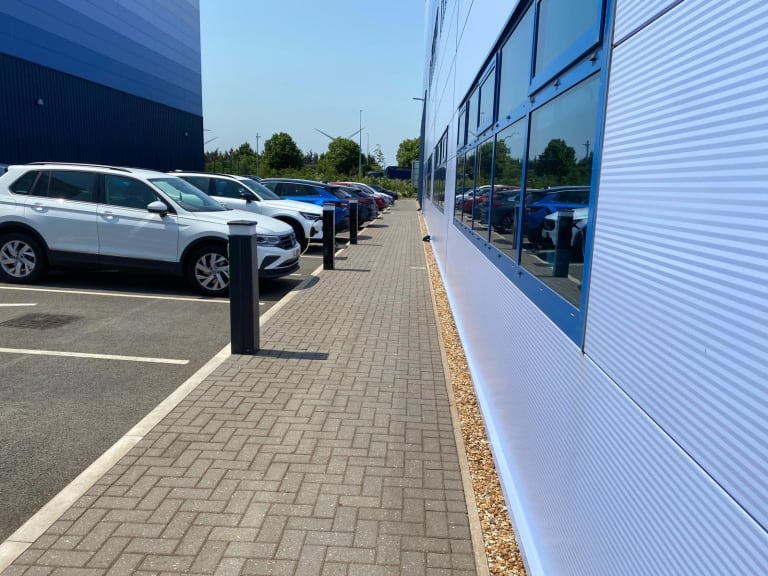
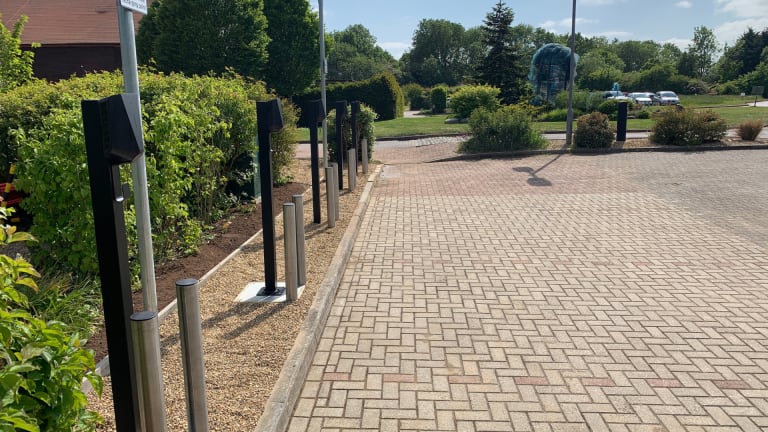

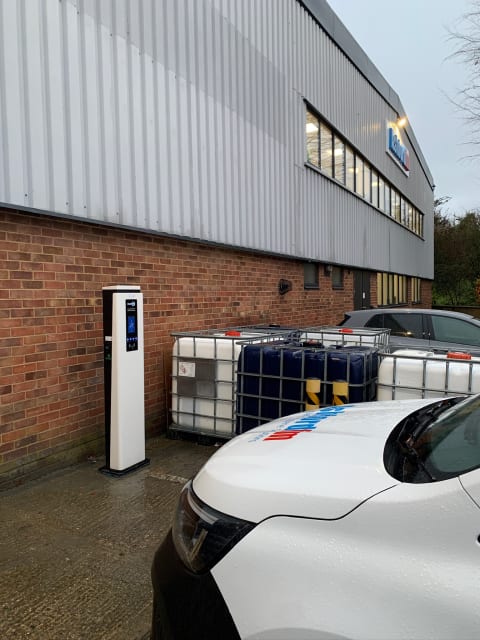
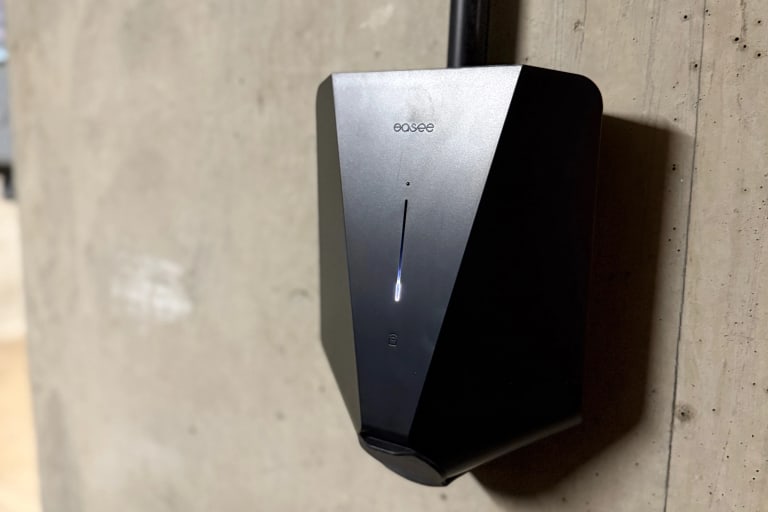
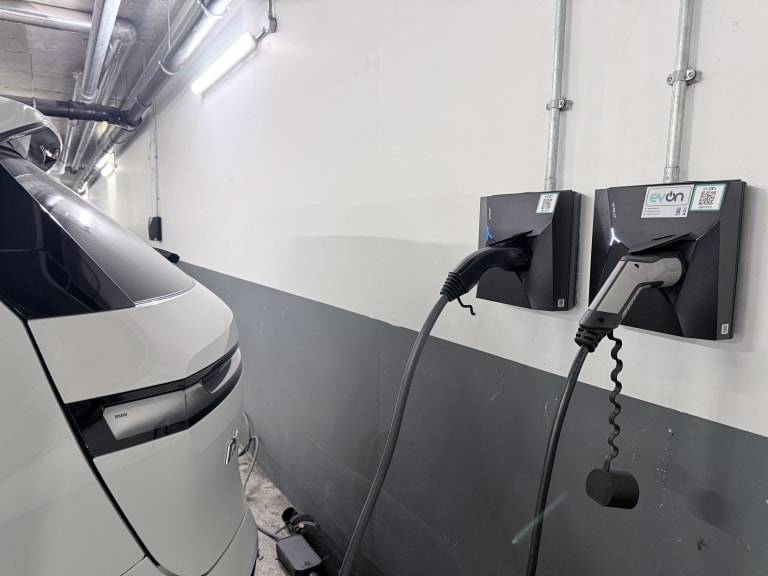
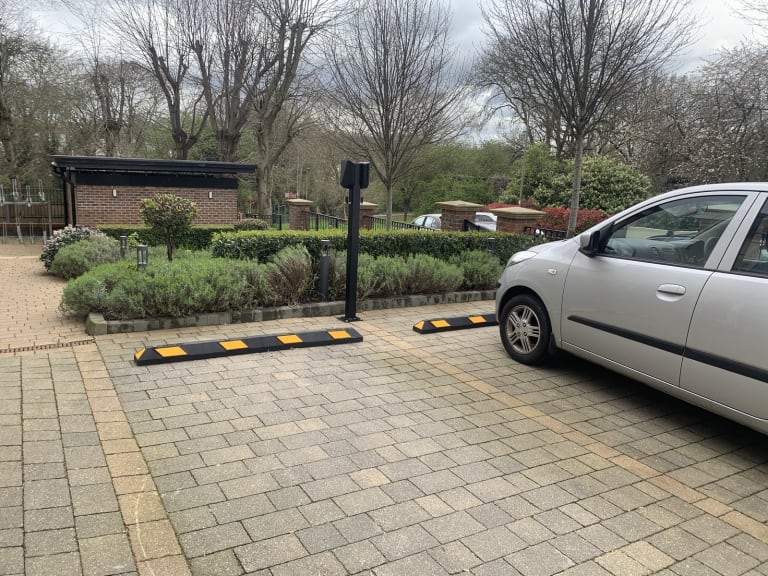
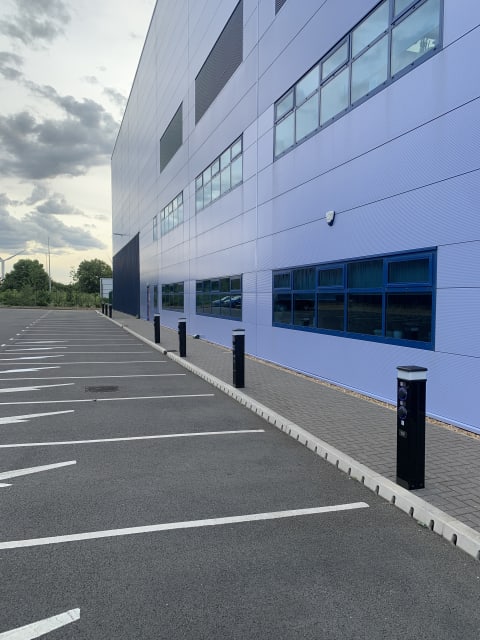
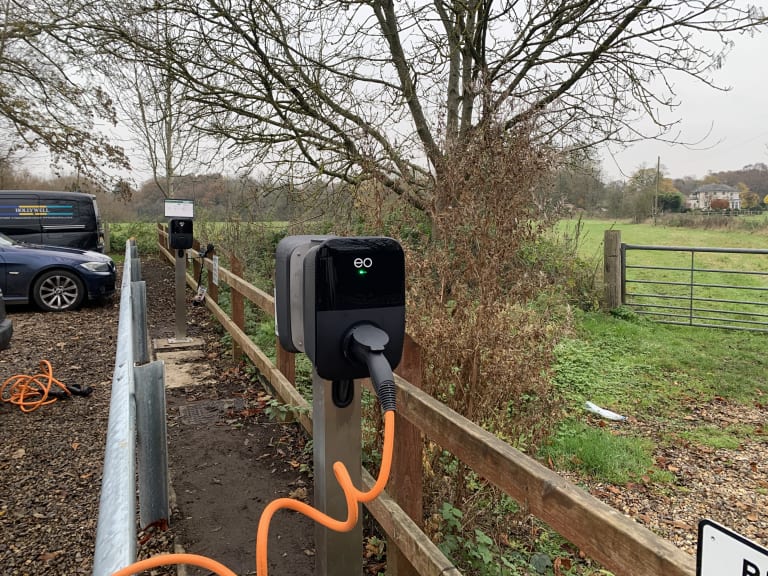
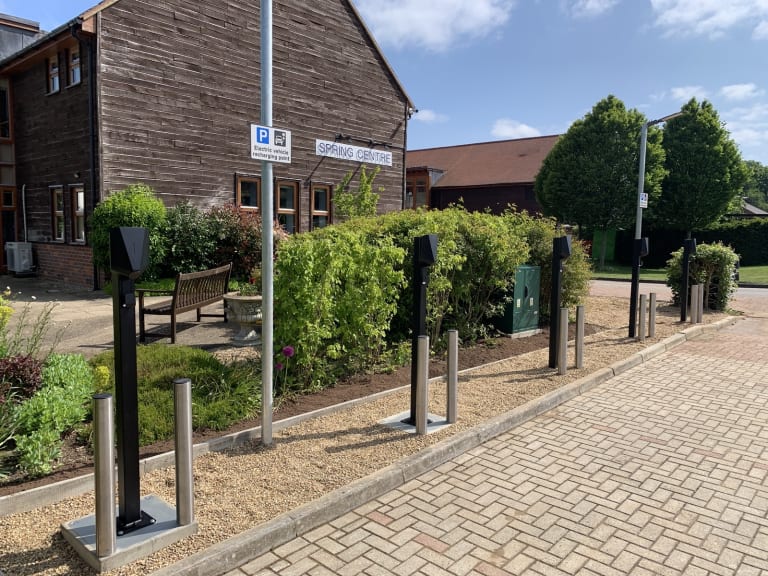
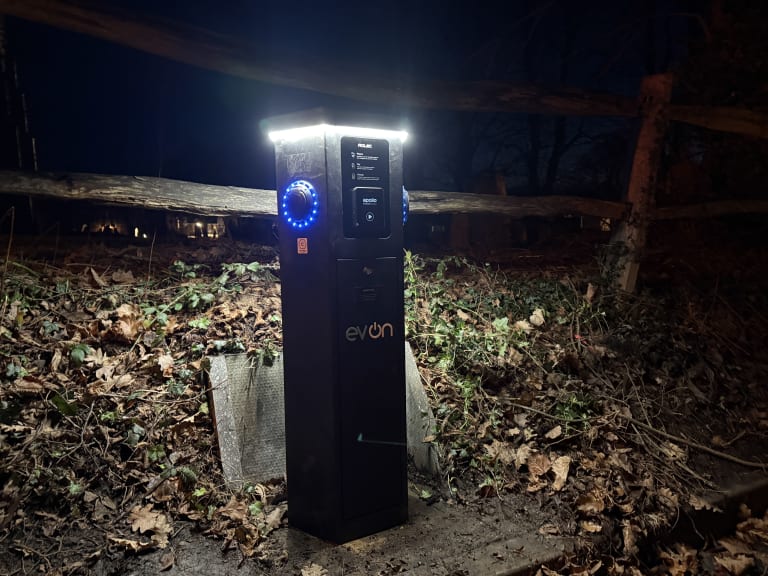
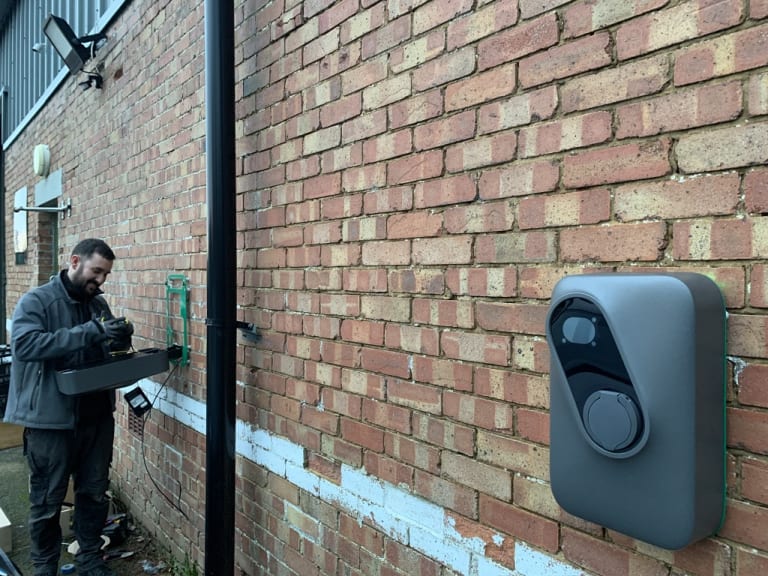
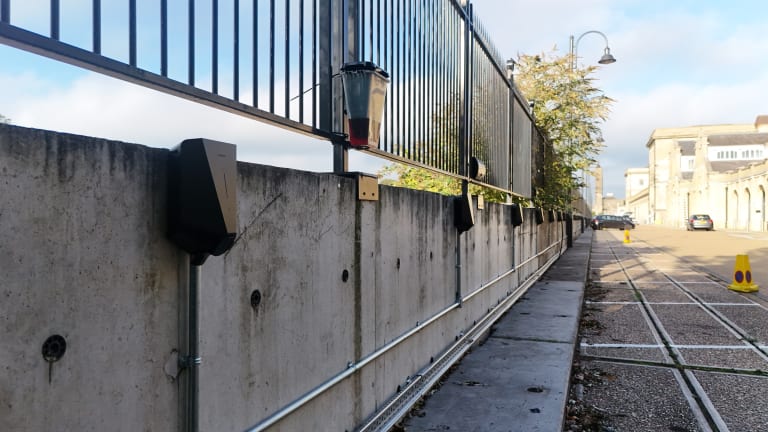

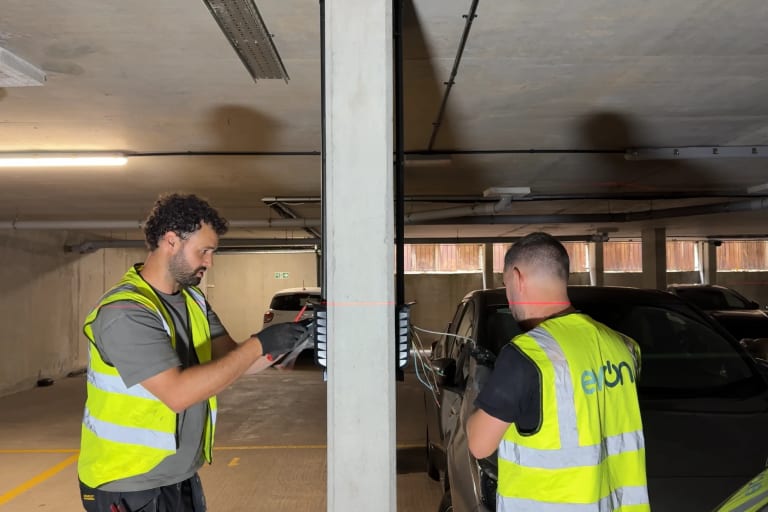
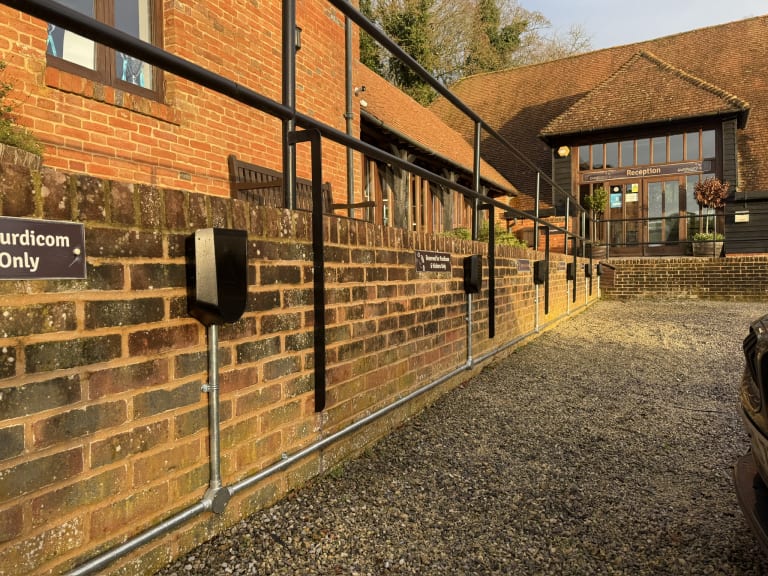
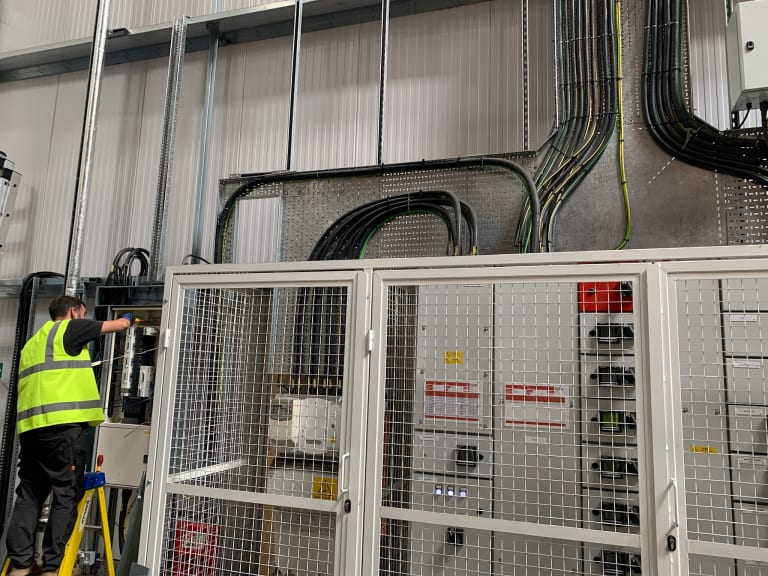
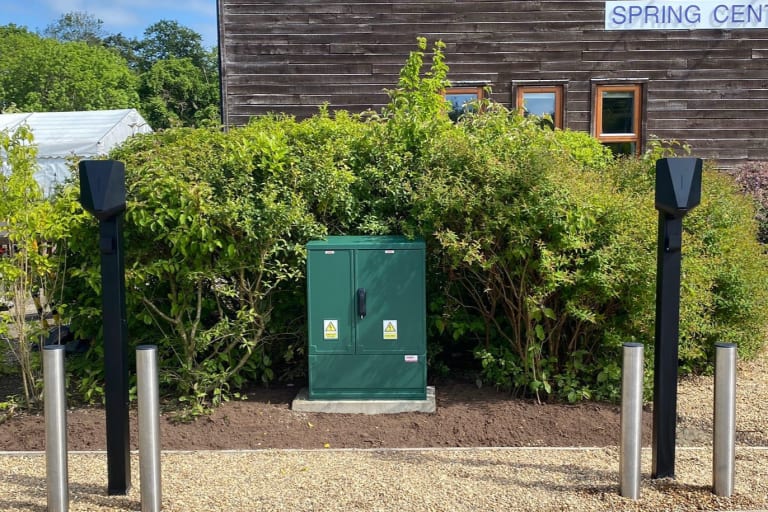
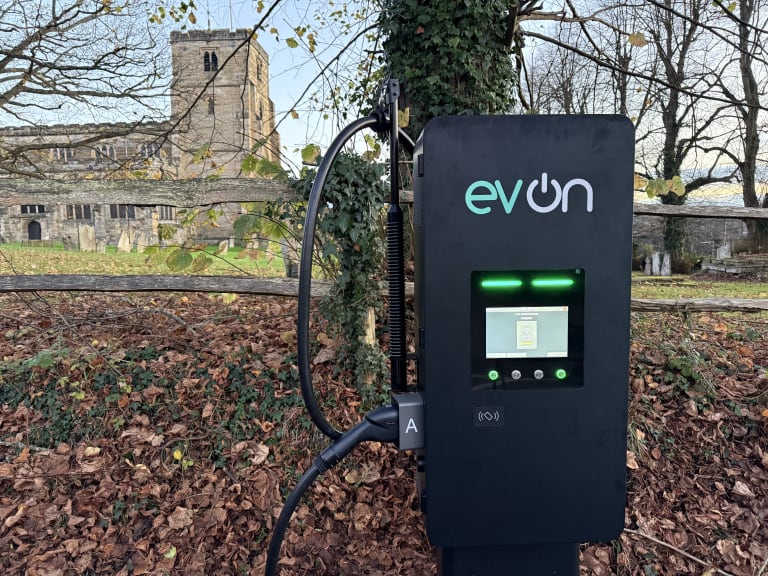
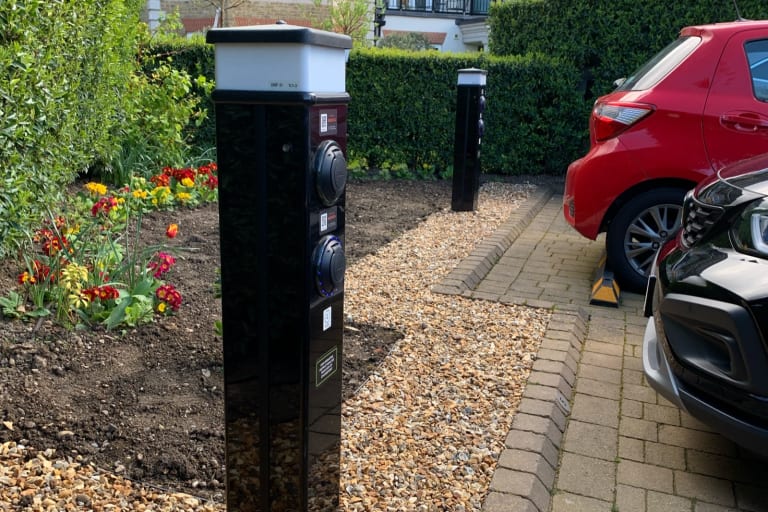
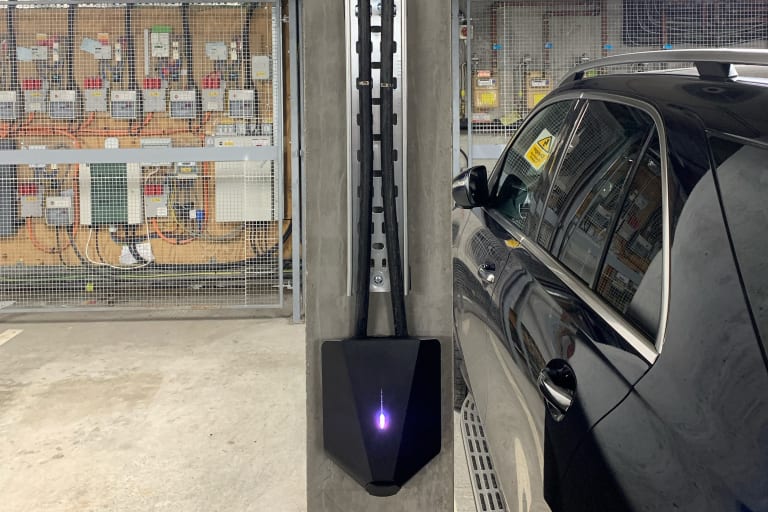
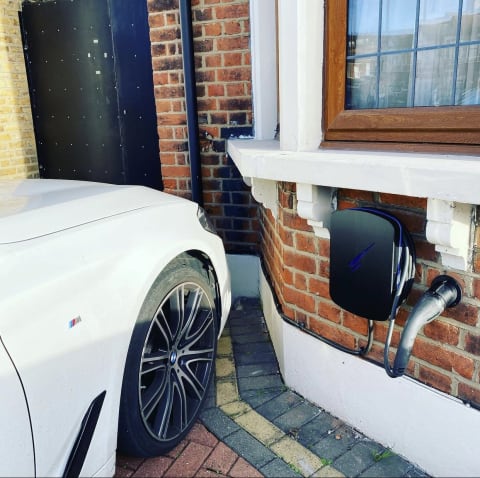

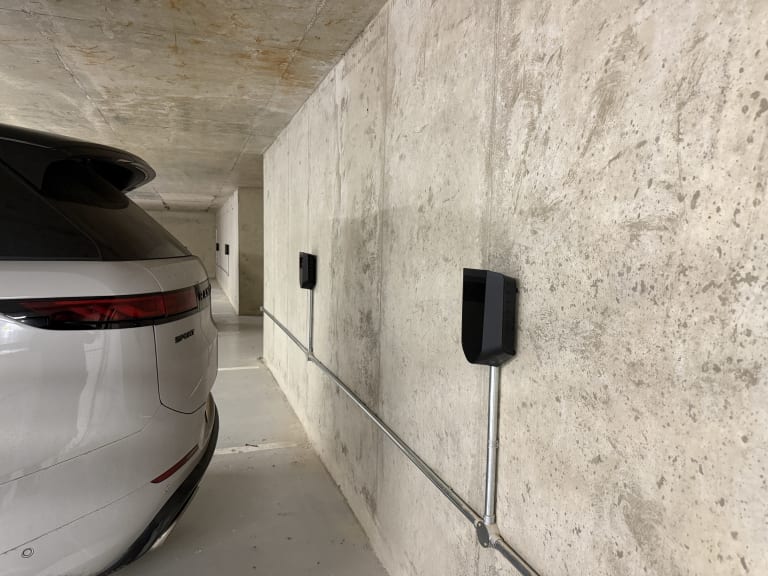
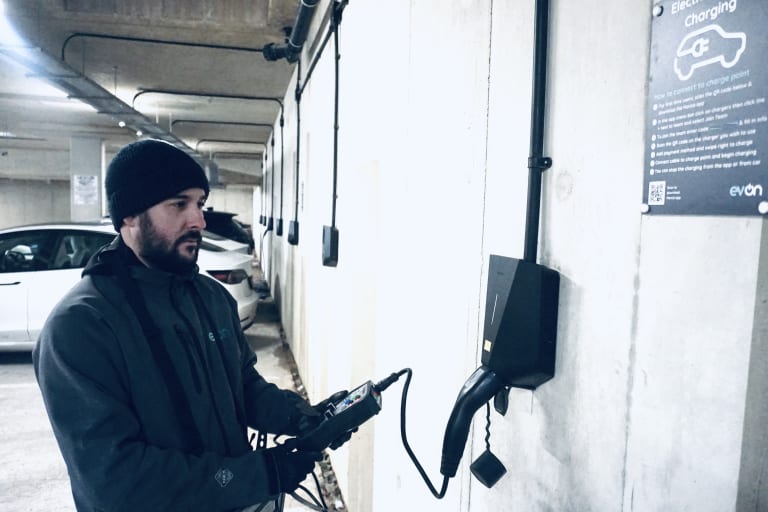
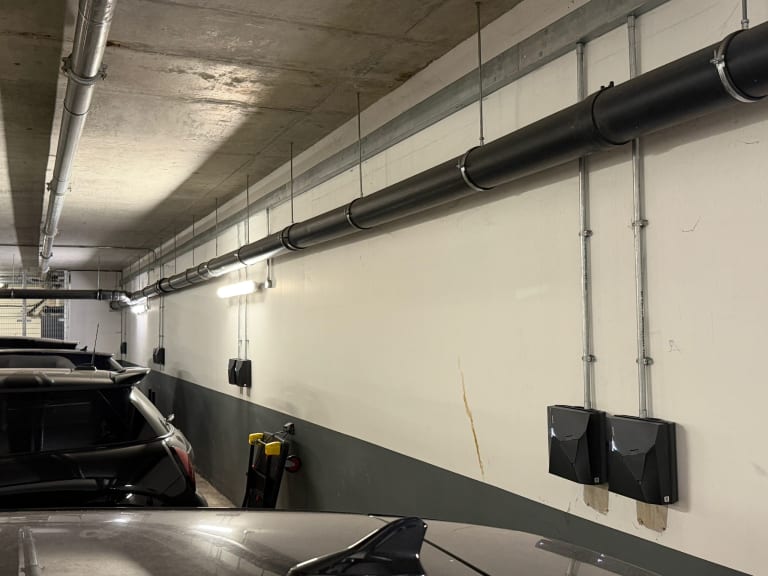
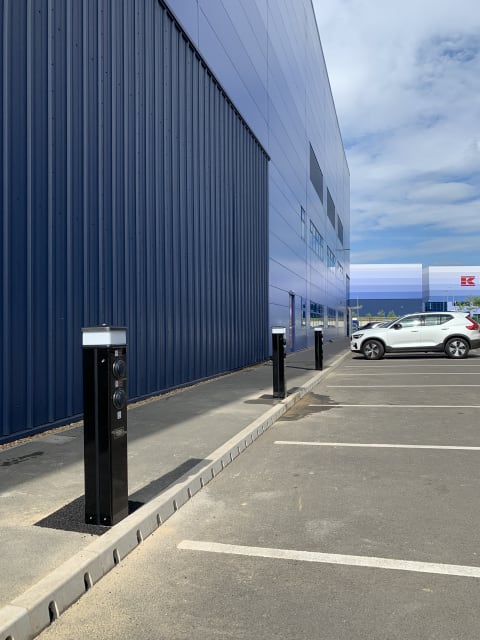
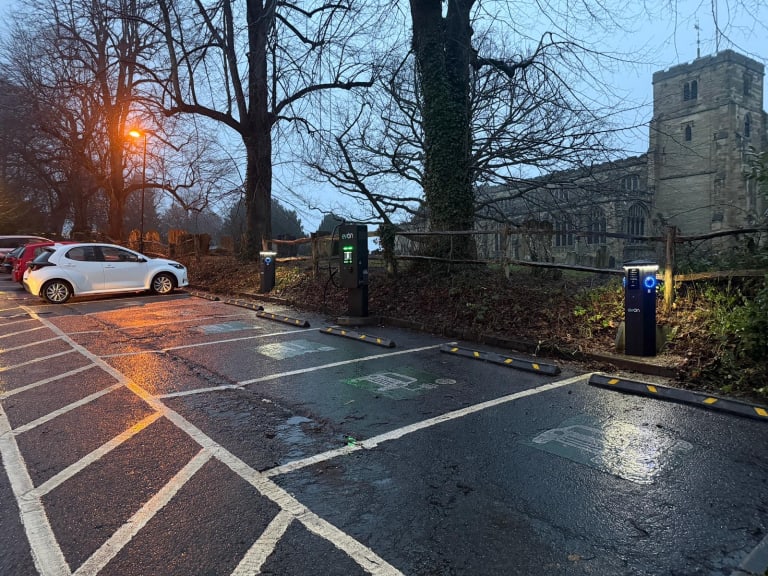
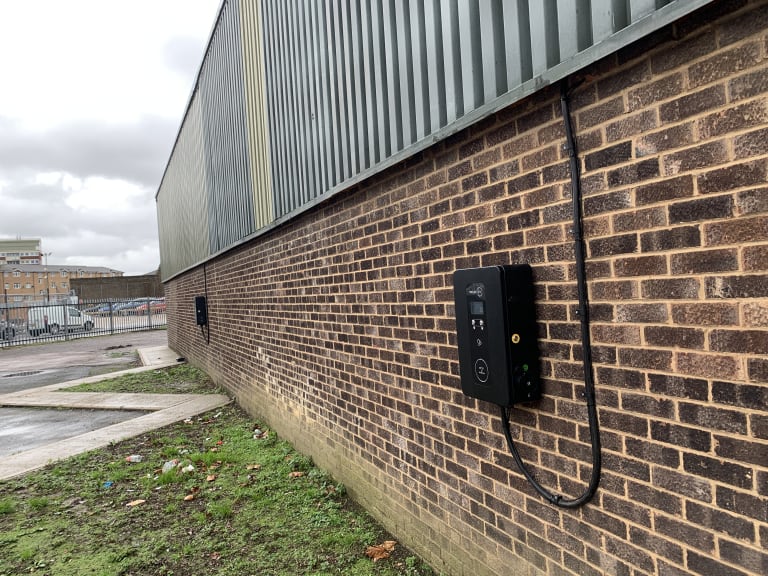
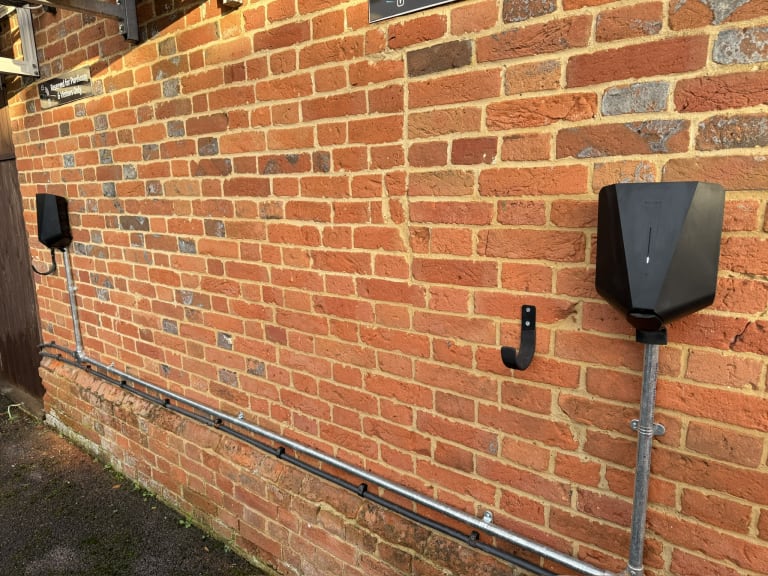
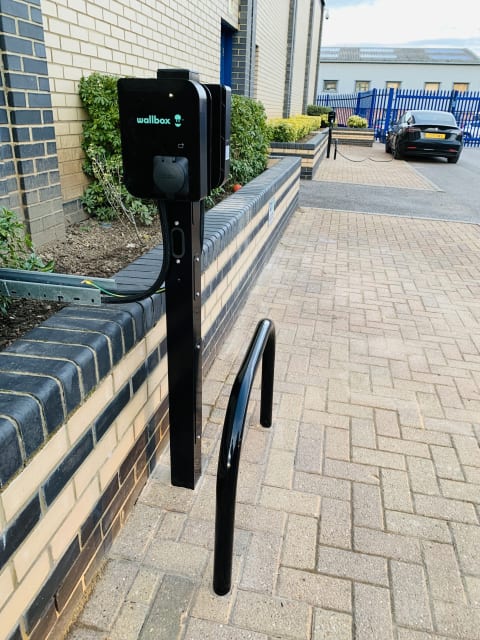
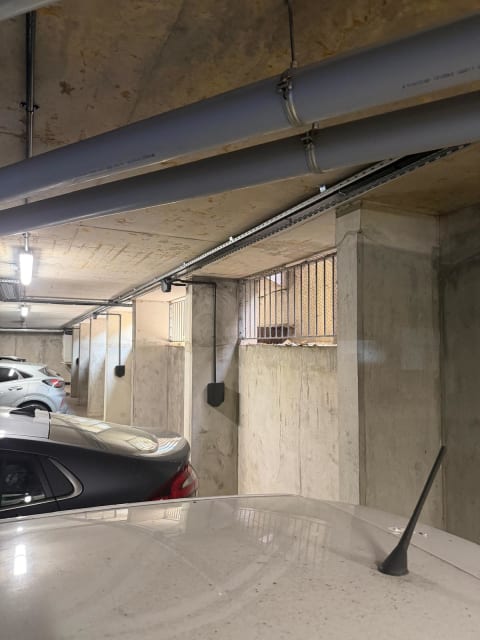
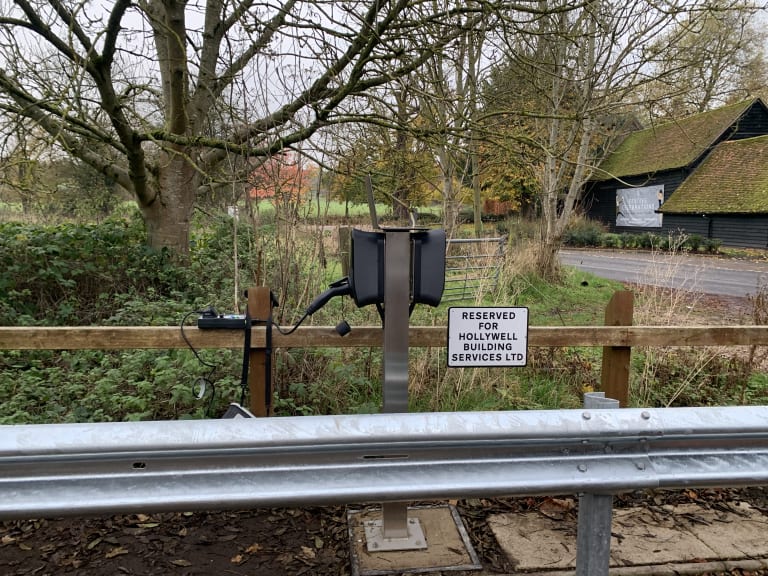
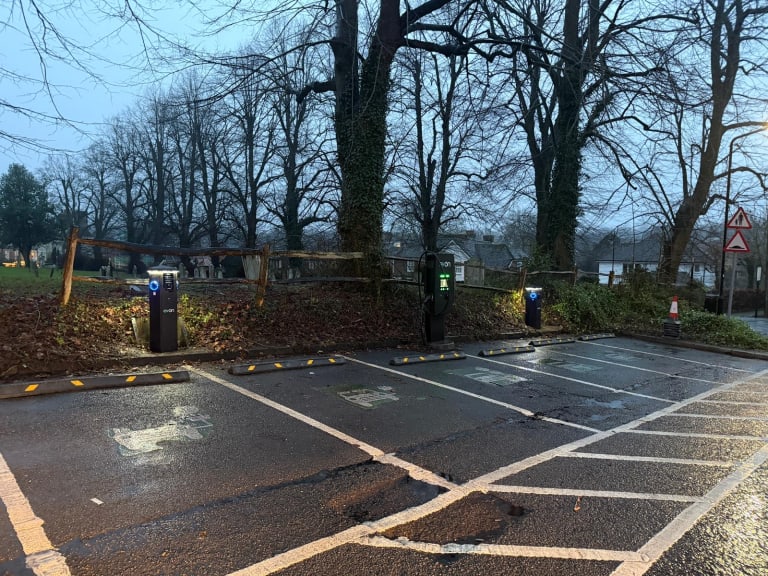
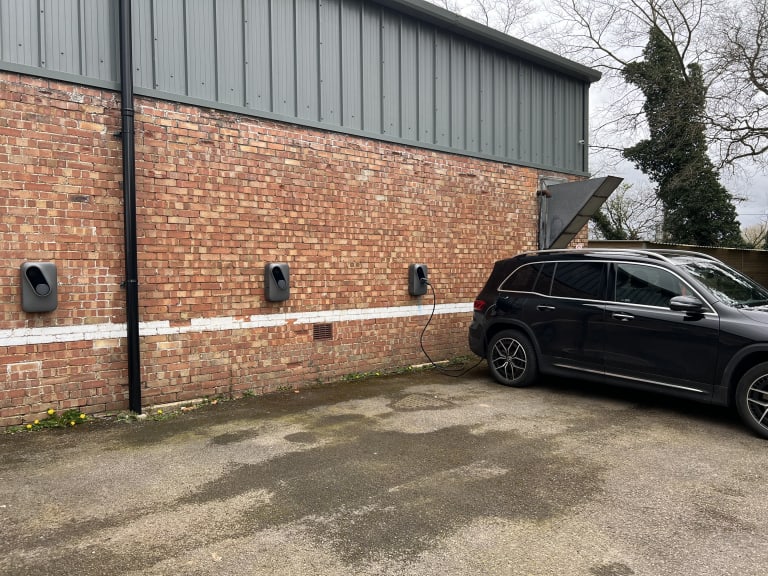
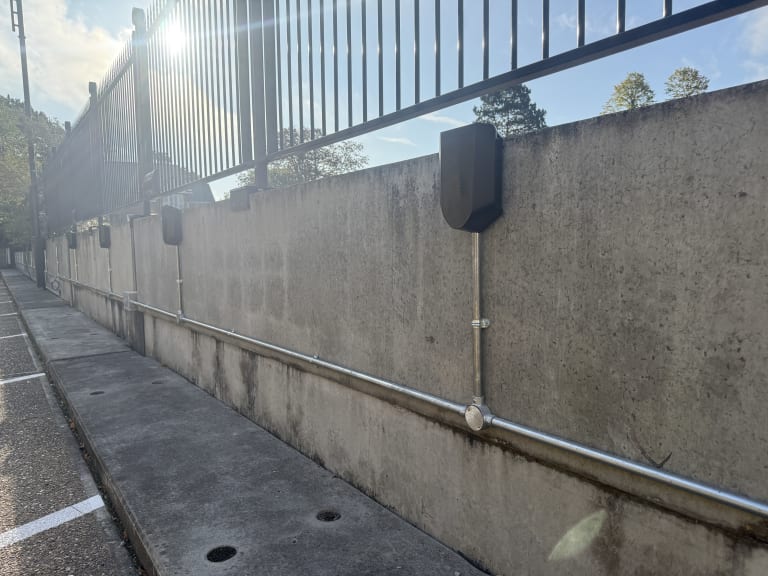
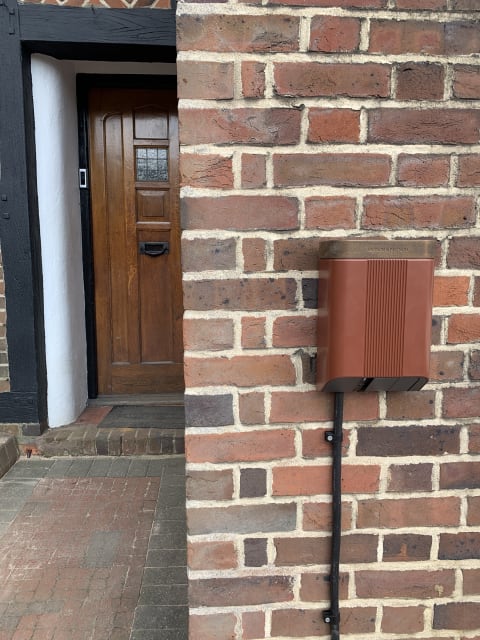

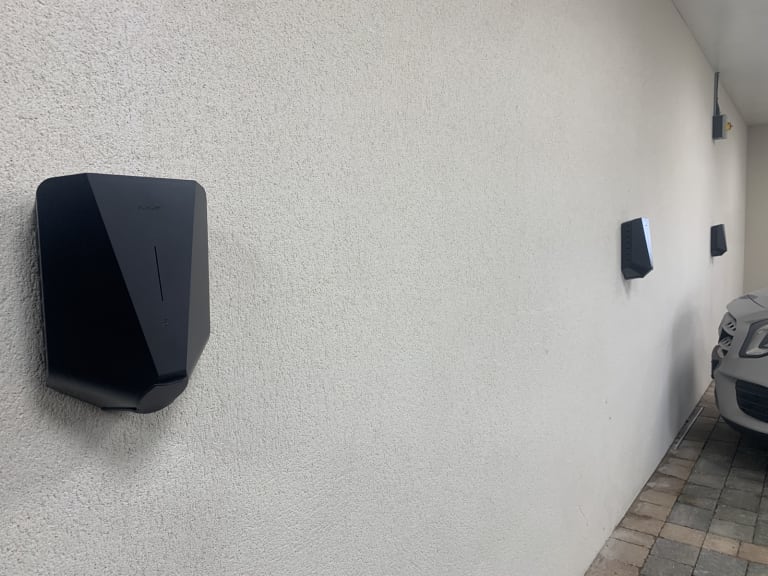


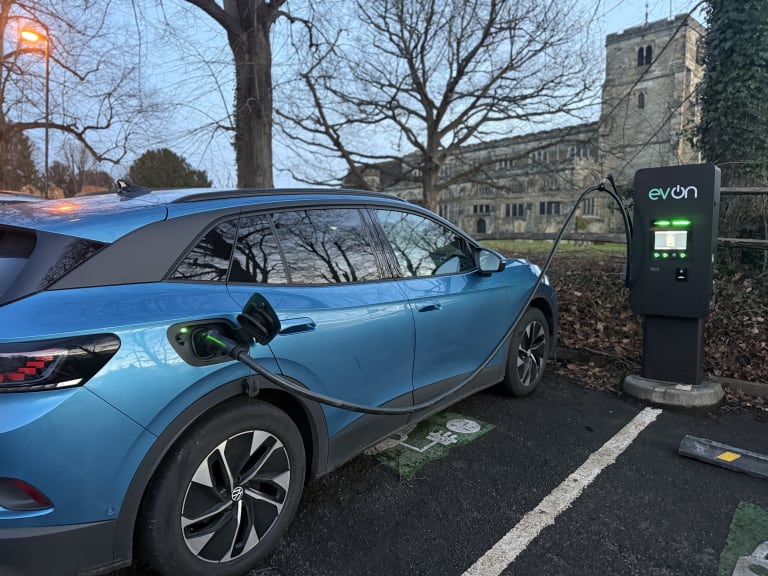
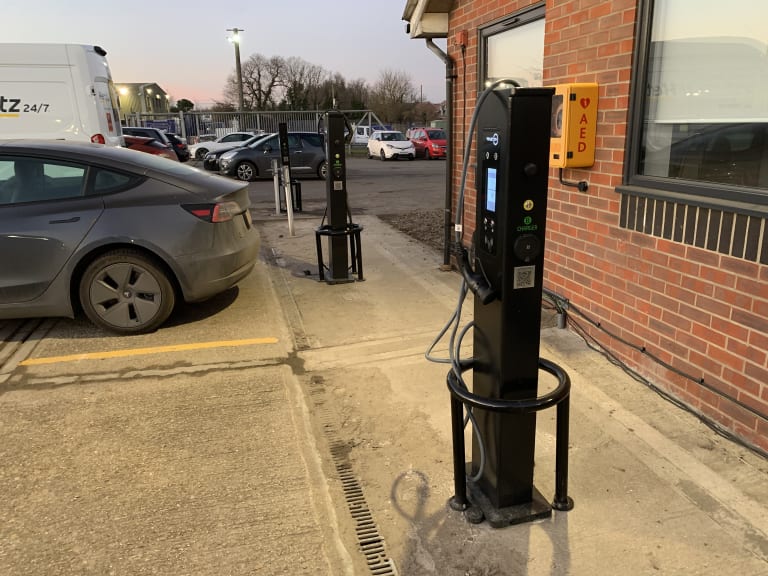

Four packages. They differ on how often we visit, how fast we commit to being there, and how closely the site is watched in between.
For sites where occasional downtime is not a problem.
ResponseBest effort
For sites that need to be reliable without being critical.
ResponseGuaranteed 48 hours
For sites where charging availability affects how the business runs.
ResponseGuaranteed 24 hours
For sites where downtime is not acceptable at all.
ResponseGuaranteed 4 hours
Best effort, said plainly. On Bronze, response is best effort rather than a guaranteed time, and we would rather say that plainly than dress it up as an SLA.
How pricing works. A base fee plus a per socket rate, so a twenty socket car park is not charged as twenty separate visits. All prices exclude VAT.
The package document. Full scope, response times and pricing are set out in the package document. We are happy to send it.
A maintenance contract exists to keep chargers working, not just to visit them. Someone checks the equipment on a schedule and watches it between visits.
Every charger reports its status to us continuously. When a unit drops offline or fails to start a session we see it, and on the higher tiers it raises a ticket automatically. Most of the time the fault is picked up and resolved before anybody on your site has noticed it.
Every evon package includes the same foundations, whatever tier you are on.
Published, so there are no surprises at the point you actually need us.
Scheduled visits, monitoring in between, and a response time written into the contract.
Request the maintenance packageInsurers and building compliance regimes expect evidence that EV charging equipment is inspected and tested. No single law sets the interval. Allianz, an insurer, publishes twelve months for EV charging points in its own engineering guidance, and most managing agents find out when a renewal questionnaire lands.
After every scheduled visit you get an EV Charging Condition Report. Named engineer, dated, referenced, and tested against BS 7671. It records every unit by serial number, the full electrical test results, the calibrated instrument used, photographs of the installation, and the date the next inspection falls due.
That is the document you forward. You do not have to chase it or write it yourself.
Reports written for your insurer. Every scheduled visit ends with an EV Charging Condition Report. We have issued them for sites insured with each of these.




An annual inspection tells you the charger was working on the day somebody stood in front of it. The rest of the year is the part that matters, so the contract covers both: a schedule you can plan around, and somebody watching when nobody is on site.
Every package includes access to our monitoring platform, so faults surface as data rather than as complaints. Chargers report their status continuously. When a unit drops offline, throttles itself or fails to start a session, it shows up on our side. On the higher tiers that turns into a ticket automatically. The platform covers EV charging, solar and battery storage in one place, so a site with more than one of those is not logging into three systems to work out what happened. Deeper monitoring runs on SolarEdge ONE.
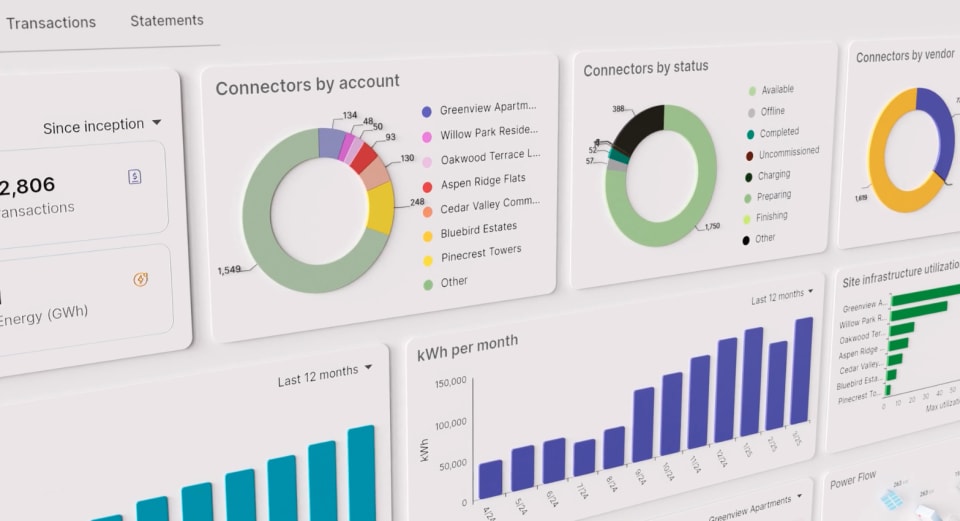
A schedule you can put in a budget. Every visit is a full inspection and test, and every visit ends with a written condition report.
The practical difference is timing. Sites on planned inspection alone find out about a fault when somebody sends an email. Sites on monitoring find out first, and often before anyone has tried to plug in.
Included on every package
Insurers expect evidence rather than requiring it by law, and the request usually arrives as a renewal questionnaire. Allianz publishes twelve months for EV charging points in its own engineering guidance. Here is what they actually ask for, and the one regulation that gets quoted at property managers wrongly.
UK AC charger maintenance costs about £150 to £500 per unit per year. The spread is that wide because a single annual service and a contract with a guaranteed response are both sold as maintenance. What drives the number, and the line item that catches people out.
Whoever controls the installation, which for a block of flats is normally the freeholder, the management company or the managing agent. Not the residents. Four overlapping duties explain why it feels murkier than it is, plus one rule that does not apply to you.
There is no single legal interval, and anyone who says otherwise has usually invented it. Twelve months is where the industry has settled. Different parts of the installation run on different cycles, and the table most guidance leaves out is here.
A visual inspection, a full electrical test against BS 7671, functional testing, and a written report. If a visit does not produce measured results and a document at the end of it, what you have bought is a look rather than an inspection.
The charging circuit is part of the fixed installation, so it falls inside the EICR rather than outside it. Why an EICR on its own is not enough, and the finding that most often catches older installations out.
Most faults happen between visits, which is why the schedule is only half of a contract. What gets fixed remotely, what needs an attendance, and the question worth asking about whether engineer labour is included or billed on top.
Yes, but less than most electrical plant. Almost nothing in a charger wears the way a boiler does. What actually fails is protective devices, firmware, the connection, the cable, and anything that lets water in.
Eight questions covering insurance, inspection intervals, cost, responsibility and what a visit actually includes.
View all maintenance FAQsTell us how many sockets you have, roughly where the site is, and who installed it. We will tell you which package fits and what it costs. If you have inherited chargers and do not know what condition they are in, start with a survey.
Enter the details below and our maintenance team will come back the same working day.