The circuit is part of the installation
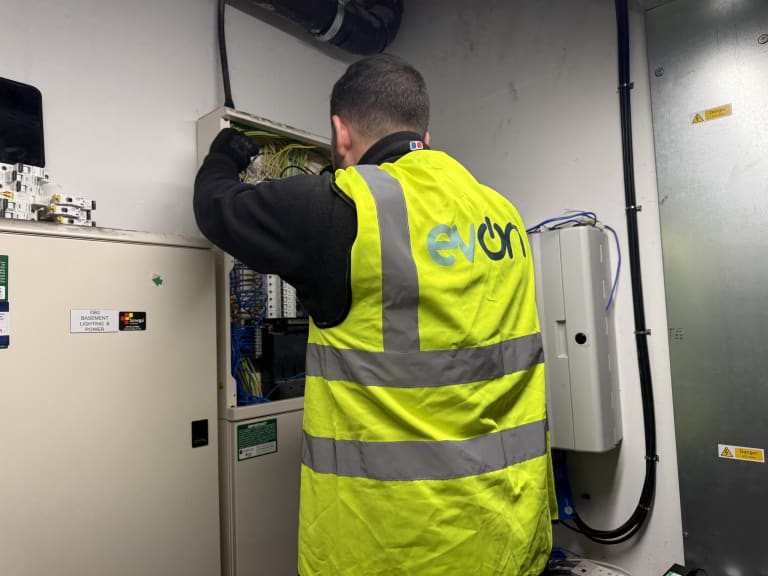
An EICR, an Electrical Installation Condition Report, assesses the condition of a fixed electrical installation against BS 7671.
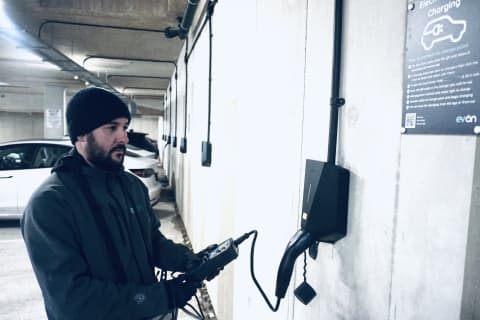
An EV charger is fed by a dedicated circuit from a distribution board. That circuit is part of the fixed installation. It is not an appliance you plug in and forget, and it is not exempt because it is new.
So the EV circuit is inside the EICR, not outside it. Anyone treating charging as a separate world that the building’s electrical reporting does not reach has it the wrong way round.
When an EICR is legally required
Rented residential property. The Electrical Safety Standards in the Private Rented Sector Regulations 2020 require a five yearly EICR carried out by a qualified person. Where a block has communal EV charging, that circuit falls inside the scope.
Commercial premises. There is no fixed statutory interval. The duty comes from the Electricity at Work Regulations 1989, which require maintenance sufficient to prevent danger, and the interval is set on risk. Three or five years is typical depending on the type of installation and its environment.
Why an EICR is not enough on its own
This is the part that trips people up. An EICR every five years and an annual charger inspection are not the same job, and one does not replace the other.
The EICR looks at the fixed installation: the wiring, the protection, the earthing, the board. It is thorough and it is infrequent.
A charger inspection looks at the equipment on the end of that circuit: the contactor, the connector and cable, the enclosure and seals, the protective devices inside the unit, and whether the installation still meets current standards. It is narrower and much more frequent.
A site with a clean EICR from three years ago and no charger inspections has evidence about the wiring and nothing about the chargers.
What changed for older installations
Chargers fitted before the current open PEN protection rules came in are a common finding. So are units installed on a TN-C-S supply without the additional protective measures now required under BS 7671 Regulation 722.411.4.
Neither means the installation was wrong when it went in. It means the standard moved, and an inspection is how you find out where you stand.
This is the single most common reason a charger we did not install fails its first assessment, and it is usually straightforward to put right once it is identified.
Who can issue one
An EICR must be produced by a competent person. In practice that means a qualified electrician working to BS 7671, using calibrated test equipment, with the calibration date recorded on the report.
If a report does not name the instrument used and when it was last calibrated, that is worth questioning. It is one of the fastest ways to tell a real test record from a walk round with a clipboard.