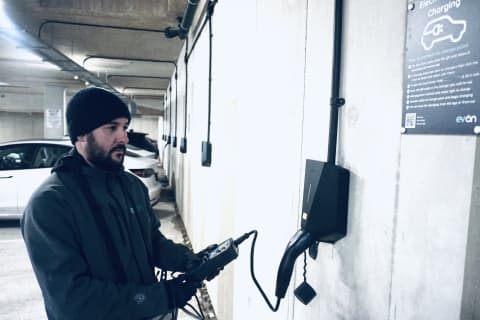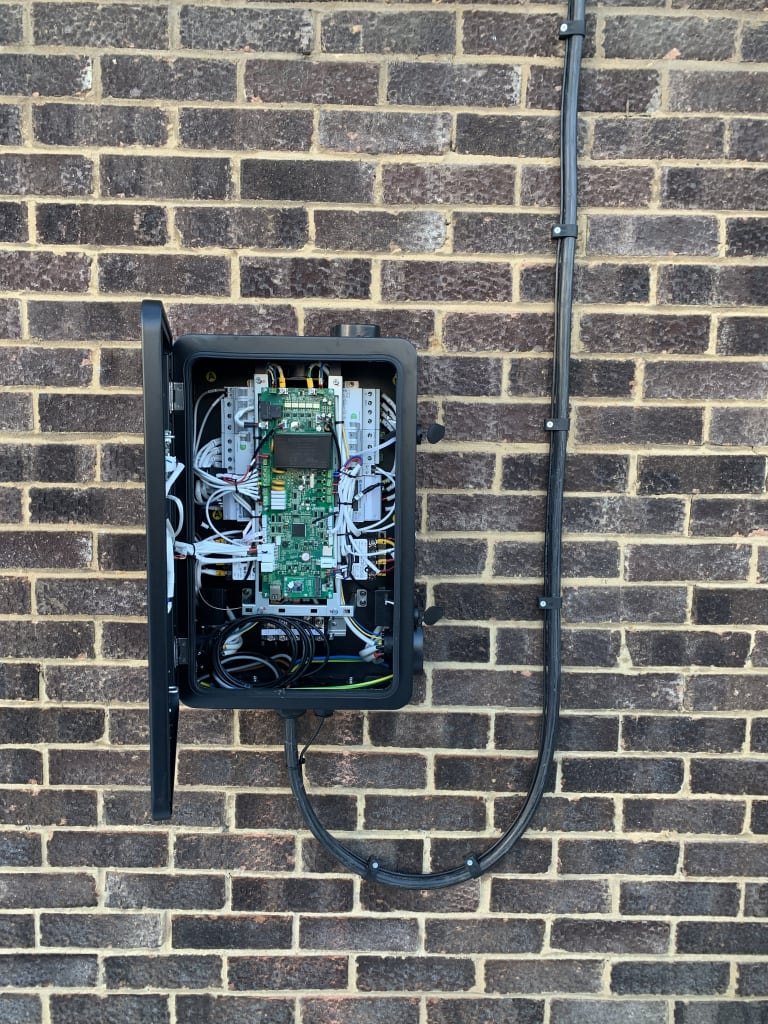
The short answer, and why it feels harder than it is
This is the question we get asked most, usually by someone who has just realised nobody has been doing it.
Responsibility sits with whoever controls the installation. For a block of flats that is normally the freeholder, the management company or the managing agent acting for them. Not the residents, and not the original installer once the warranty has run out.
Several duties overlap here, which is why it feels murkier than it is. No single regulation says “the freeholder maintains the EV chargers” in those words. What exists instead is a set of general duties that between them land in the same place.
The duties that actually apply
The Electricity at Work Regulations 1989 require electrical systems to be maintained so they do not become dangerous. The duty falls on whoever controls the installation. It does not name a frequency, because a charger in a coastal car park and a charger in a heated basement do not wear at the same rate.
The Occupiers’ Liability Act 1957 covers the people using the car park. If a resident or a visitor is hurt by equipment you control, this is the one that matters.
Section 11 of the Landlord and Tenant Act 1985 covers installations for the supply of electricity in residential lettings.
The Electrical Safety Standards in the Private Rented Sector Regulations 2020 require a five yearly EICR from a qualified person in rented stock. A communal EV circuit falls inside that.
One rule that gets quoted at property managers, wrongly
The Public Charge Point Regulations 2023 introduced a 99% reliability requirement. It is real, and it is enforced, but it binds operators of public chargepoints rated at 50 kW and above.
A resident only charger in a private car park is not in scope. If someone has told you your block must hit 99% uptime by law, they are describing a different regulation and a different kind of site.
What this means in practice
You do not need to become an expert in any of the above. You need one thing: somebody named who handles it, and a record showing it has been handled.
That is what a maintenance contract is for. It converts a vague duty into a schedule, a named contact, and a document you can produce when a resident, a board, or an insurer asks.
The record matters as much as the work. A duty you have discharged but cannot evidence is difficult to defend.
Where residents fit
Residents are not responsible for the communal installation, even where they pay for the electricity they use, and even where a bay is allocated to them.
Where a resident has a charger that is theirs alone, fitted at their own cost on their own bay, the position can differ, and it usually turns on the wording of the lease. If that is your situation it is worth reading the lease before assuming either way.
The communal infrastructure the chargers hang off, the supply, the distribution board, the containment and the protective devices, stays with whoever controls the building.