How do residents pay for shared EV charging?
Residents register once on the app and link a payment method. When they need to charge, they scan a QR code or tap their RFID card to start. The app shows the live tariff and estimated cost before charging begins. After the session ends, payment processes automatically. A receipt is sent via email.
How does the building recover the EV charging electricity cost?
Most systems operate on a pay as you go basis. The user is billed as soon as their charging session ends. Payment transfers automatically to your designated account. This could be your service charge account or the account used to pay energy bills. Every transaction is logged with full statements available. Monthly billing cycles can also be configured if preferred. Either way, revenue covers electricity consumed. The communal supply does not subsidise EV users.
You set the per kWh rate yourself. This can match the building electricity cost exactly for cost recovery. Or it can include a small margin for revenue generation. Either approach works.
Which EV charging billing model should an apartment block use?
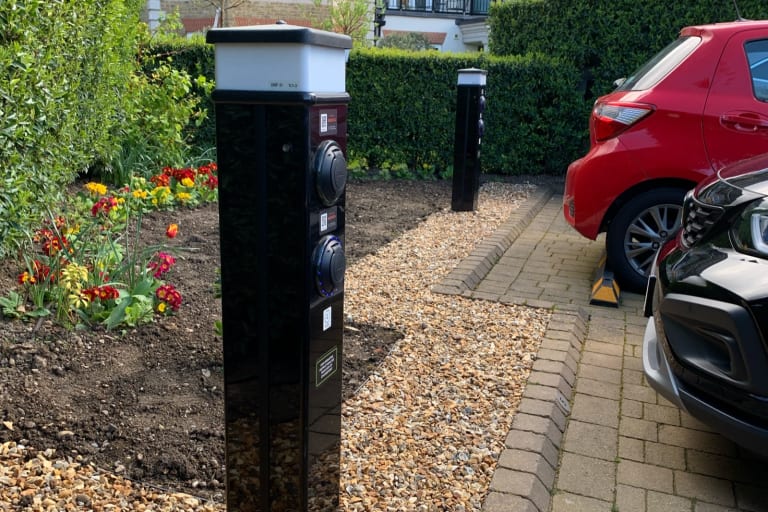
Pay per use: Residents pay only when they charge. This is the most common model and easiest to manage. It works well for buildings with shared chargers.
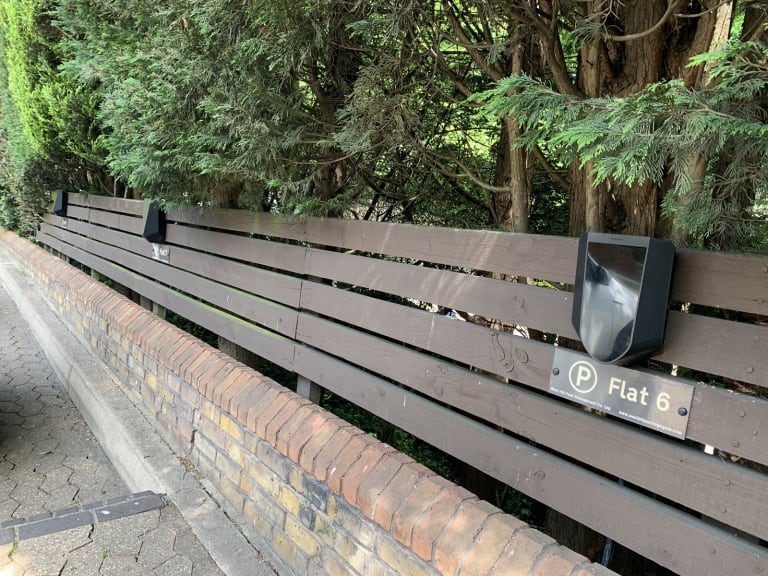
Demised power: The charger connects to the individual flat electricity supply. The resident pays their own energy supplier directly. No billing platform is needed. This suits buildings with allocated parking bays. If a demised bay charger draws from communal power instead, the resident may pay the subscription cost for the management platform.
Reconciliation and Reporting
The billing platform generates monthly reconciliation reports automatically. These show total energy consumed, revenue collected, and individual user breakdowns. Property managers access this data anytime via the management dashboard.
Reports provide a full audit trail for your accounts team. No manual tracking or invoice chasing required.
Managing Access
The billing system doubles as access control. You decide who can use the chargers. Options include all residents, specific flat numbers, or approved guests. RFID cards can be issued and revoked as needed. When a resident moves out, their access is removed instantly.