What decides the cost of EV charging for an apartment block?
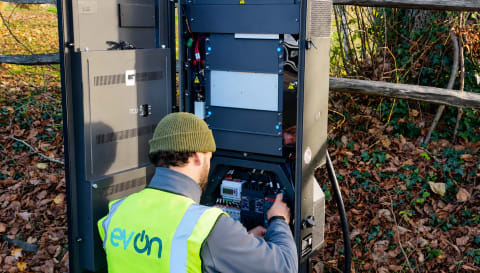
The biggest variable is your building’s electrical capacity. If existing supply handles the additional load, costs stay lower. If you need a new supply from the DNO or distribution upgrades, the price increases.
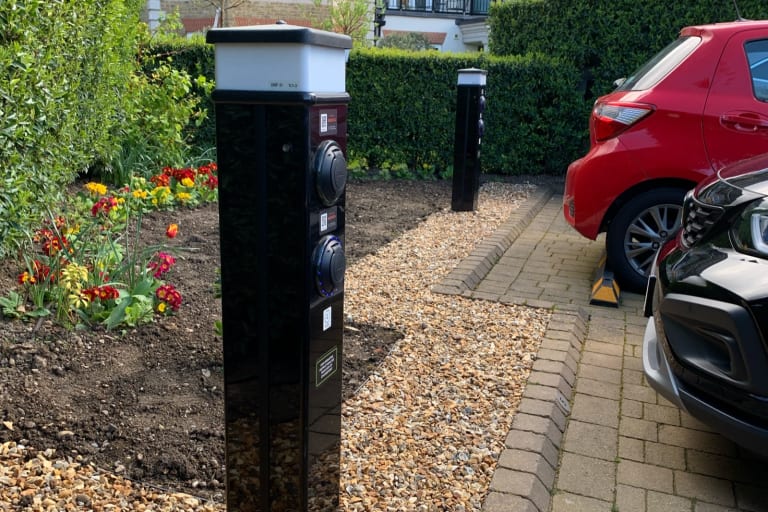
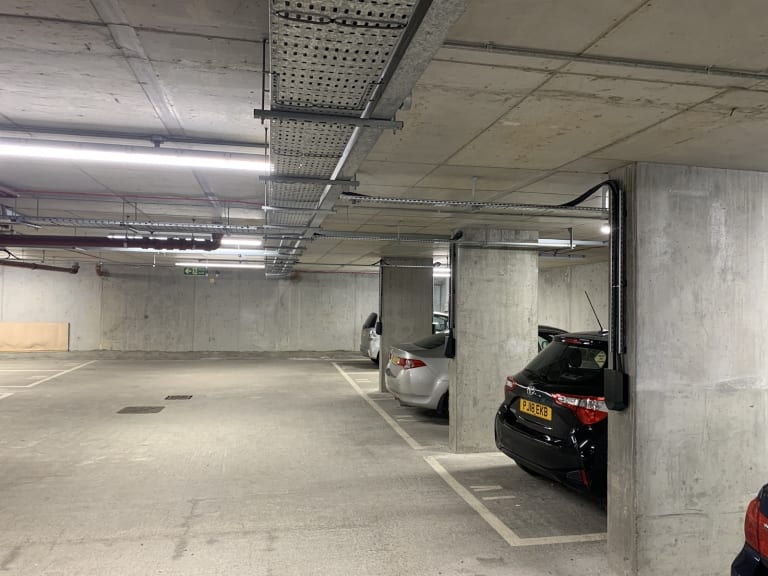
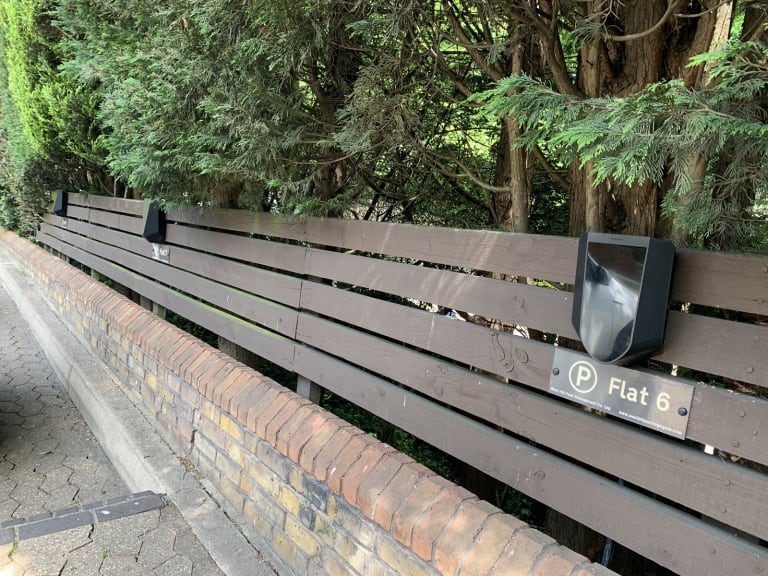
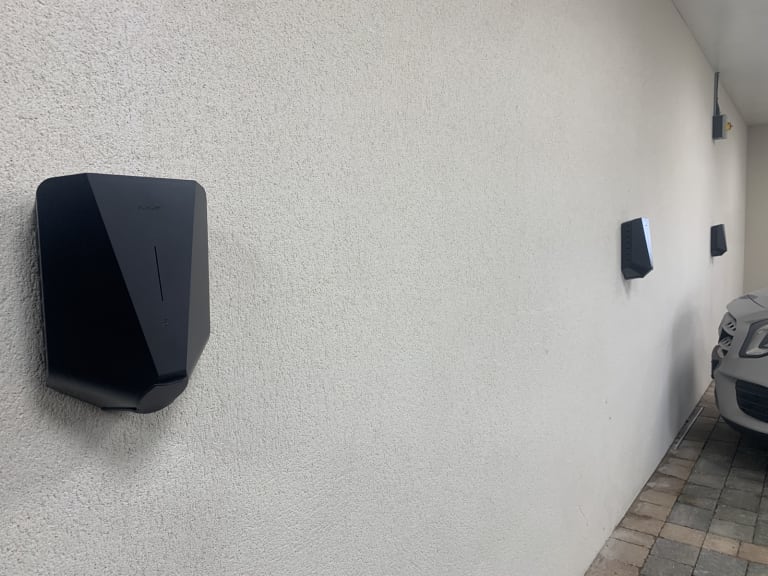
Other factors include number of parking bays, cable run distances, and parking layout. Underground car parks are often cheaper. Wall mounted chargers avoid the need for pedestals and groundworks.
Civil engineering is often the largest hidden cost. Digging trenches for cables adds up quickly, especially if concrete or tarmac needs reinstatement. Surface car parks typically require more extensive civils than basement installations.
How much does EV charging cost for a small, medium or large block?
Small buildings (5-20 flats): £5,000-£20,000 before grants. Usually works within existing electrical supply for 5-10 parking bays.
Medium buildings (20-50 flats): £15,000-£35,000 before grants. Often needs distribution board upgrades. Grant entitlement increases with scope.
Large complexes (50+ flats): £40,000-£100,000 before grants. May require dedicated DNO supply. These projects make the most of the 200 socket annual grant cap.
How much do the EV charger grants take off the price?
The Residential Landlord Chargepoint Grant pays £500 per active socket, up to 75% of the eligible cost. A typical 20 flat building installing 10 chargers receives £5,000. Residents with their own bay can add the Flats and Renters Grant at £500 per socket on top. The previous Infrastructure Grant, which paid up to £30,000 per building, closed on 31 March 2026.
Both active grants run until 31 March 2027. Buildings planning installations should apply sooner rather than later.