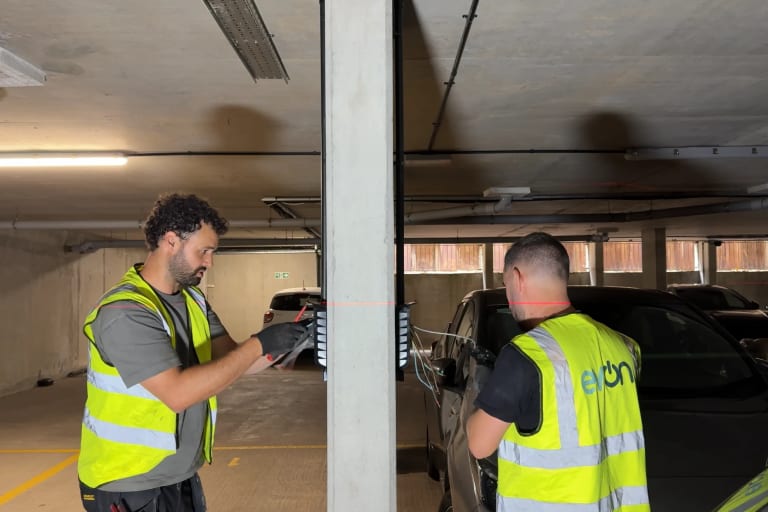
What is the EV charging installation process for an apartment block?
Week 1 to 2: Site Survey and Design
We conduct a full electrical assessment and identify optimal charger locations. You receive a detailed proposal including costs, grant funding breakdown, and project timeline.
Week 2 to 4: Grant Applications and Approvals
We submit your OZEV grant application and handle any DNO notifications required. Grant approvals typically take 2 to 3 weeks. If a DNO supply upgrade is needed, this adds 8 to 12 weeks to the timeline.
Week 4 to 6: Installation
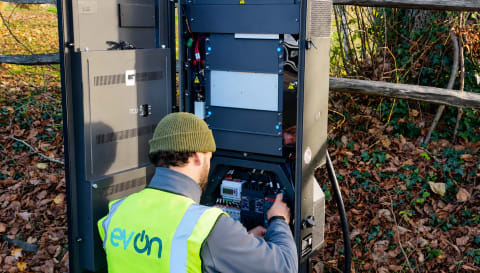
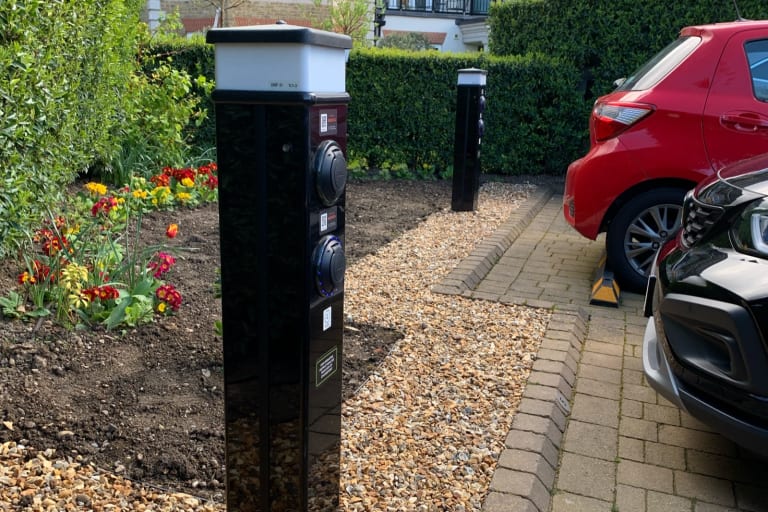
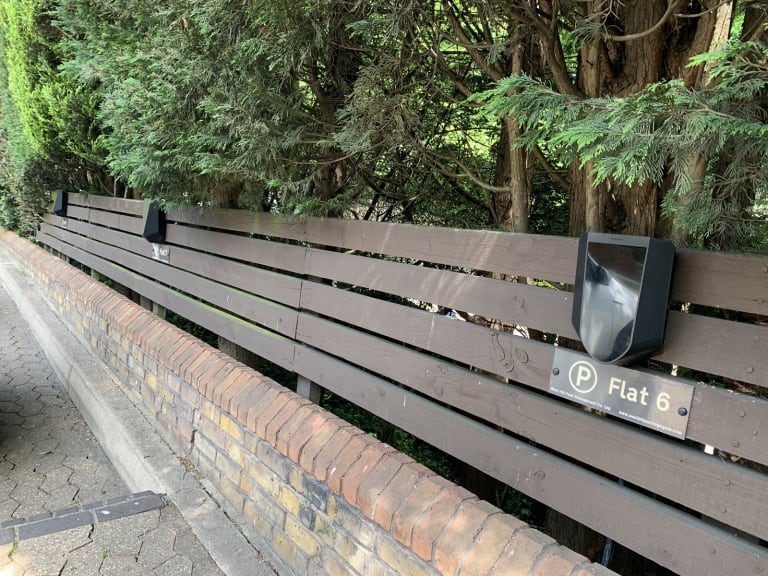
Once approvals are in place, our electricians install the distribution infrastructure, cable runs, and charge points. A typical 10 charger installation takes 3 to 5 days of physical work. We coordinate around building access hours and resident parking arrangements.
What makes an apartment EV charger installation take longer?
DNO Requirements
If your building needs a new or upgraded electrical supply from the Distribution Network Operator, add 8 to 12 weeks. We identify this during the site survey and factor it into the project plan.
Stakeholder Approvals
Freeholder consent, RMC votes, or resident consultations can add time before work begins. We provide supporting documentation to help speed up internal approvals.
Building Complexity
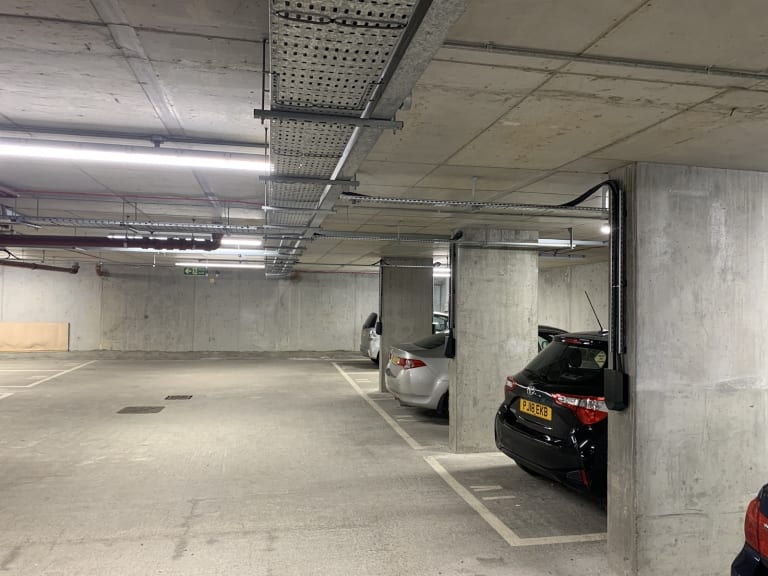
Underground car parks require additional planning for connectivity and safety compliance. Large buildings with multiple parking areas need phased installation schedules.
Grant Processing
OZEV grants typically process within 2 to 3 weeks. The Residential Landlord Chargepoint Grant runs until 31 March 2027, so there is time to plan, but applying early keeps your project moving.
What Residents Experience
Most of the timeline happens without disrupting residents. Physical installation typically blocks individual parking bays for 1 to 2 days each. We provide advance notice and coordinate with building management on scheduling.