Can leaseholders request an EV charger too?
This guidance applies to tenants renting apartments. If you own your flat as a leaseholder, you will need permission from your freeholder or management company rather than a landlord. The approval process for leaseholders may involve formal licence applications and lease variations. The general principles around grants and building approval still apply.
How do you ask your landlord for an EV charger?
Start with your property manager, freeholder, or Residents Management Company. Put your request in writing. Explain that you want EV charging for the building and ask about the approval process.
The Residential Landlord Chargepoint Grant pays 75% of socket cost up to £500 per socket, and residents can claim the Flats and Renters Grant for their own bay. Include this information in your request. Many landlords do not know about the funding available.
Offer to lead the coordination. Landlords are more likely to approve if you handle the initial work. This includes gathering interest from other residents and obtaining quotes from installers. EV charging often comes up at the building AGM. This is a good opportunity to present the case to other residents and the management company together. We attend AGMs regularly to explain the technical details and answer questions. There is no charge for this. We can also meet with your property manager directly if that works better.
What to Include in Your Request
Present a clear case with specific numbers.
The Residential Landlord Chargepoint Grant pays up to £500 per socket, capped at 200 sockets a year. The scheme runs to 31 March 2027. Statistics show 74% of flat dwellers consider EV charging when choosing a home. Research shows charging infrastructure can add up to £5,000 to property value. Qualifying buildings can access zero upfront cost options. Offer to coordinate with interested residents.
Can a landlord refuse an EV charger request?
Ask for the specific reasons behind the refusal. Some landlords have genuine concerns about electrical capacity or costs. These can often be addressed with better information. Others may not understand that grants cover most expenses.
If your tenancy agreement includes a clause stating consent for improvements should not be unreasonably withheld, a refusal may be harder to justify. However, if your lease has an absolute prohibition on alterations, landlords can refuse without justification. Check your tenancy agreement or seek advice if you believe a refusal is unreasonable.
If your landlord permits you to fund the installation yourself, you can claim the EV Chargepoint Grant directly. This covers up to £350 or 75% of costs. You would pay the remaining cost but own the charger yourself.
Rally other residents to make a collective request. Provide quotes showing the reduced cost after grants. Connect your landlord with installers who can explain the process. Highlight competitor buildings in the area that already offer charging.
What Happens If Approved
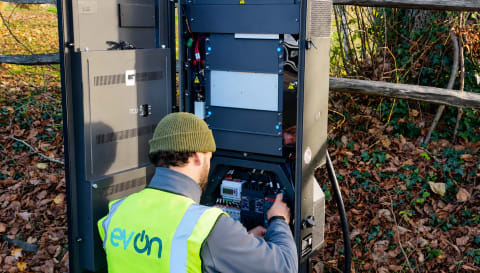
The next steps are a site survey, grant application, and installation. The process typically takes 4 to 8 weeks from approval to commissioning. As OZEV approved installers, we handle the grant paperwork and deduct the funding directly from the quote.