If Your Building Has Parking
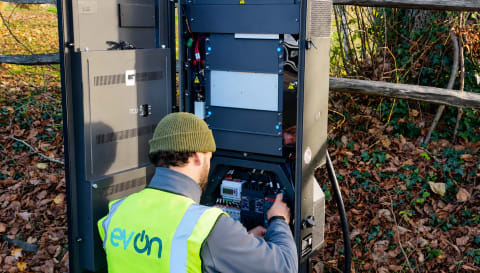
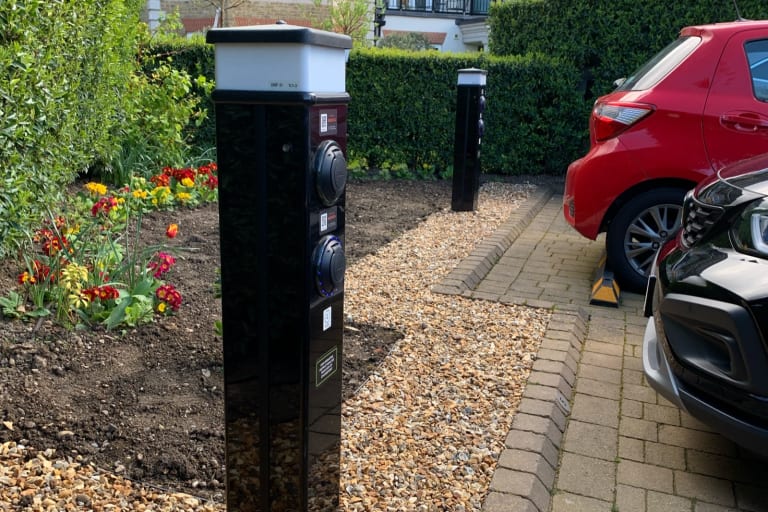
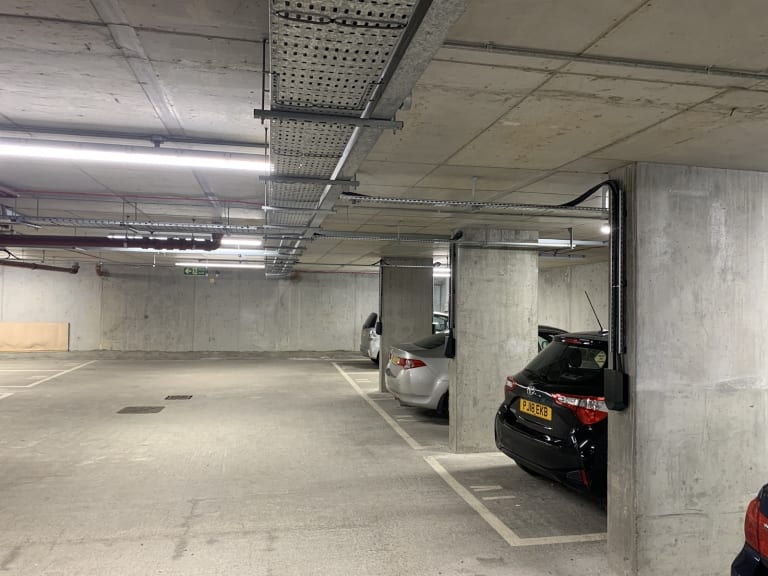
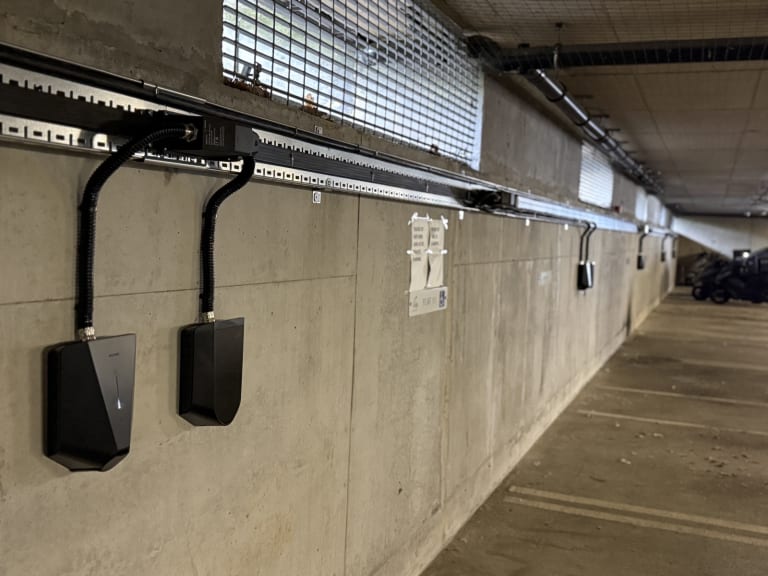
Shared charging points are the most common solution for buildings with communal parking. Multiple residents share chargers and pay per kWh via an app. Load management distributes power fairly across all users.
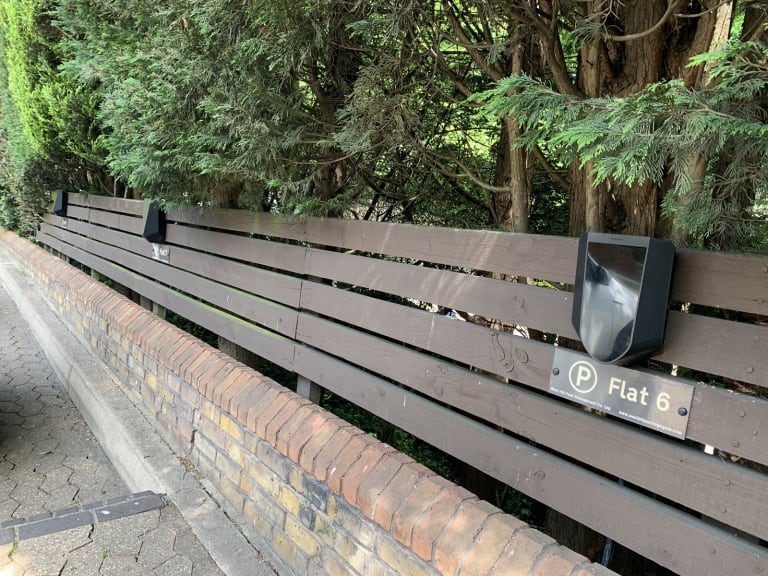
If you have an allocated parking space, you may get a dedicated charger linked to your flat. Options include billing through the building platform or wiring directly to your flat supply.
If your building has no chargers yet, you can request that the freeholder or management company installs infrastructure. The Residential Landlord Chargepoint Grant pays £500 per socket installed, and you can separately apply for the Flats and Renters Grant at £500 for your own bay. Many residents successfully initiate this process. We can help you put together a proposal for your building management that explains the grant funding and demonstrates the business case.
If Your Building Has No Parking
Public charging networks offer the most accessible option. The UK now has over 87,000 public charge points across more than 45,000 locations. Many flat dwellers use rapid chargers at supermarkets, retail parks, or service stations. Costs range from around 40-50p per kWh at slower destination chargers to 70-80p per kWh at rapid chargers.
Workplace charging can replace home charging entirely if your employer offers it. Many companies provide free or subsidised charging. Your commute becomes your charging time.
Some councils offer on street residential charging through lamp post chargers or kerbside units. Coverage varies by area. Check your local council website for availability.
Choosing the Right Option
Building parking with shared chargers is the best scenario. You get convenient, affordable charging at home without infrastructure worries. We help buildings access grant funding and install systems that work for all residents.
Workplace charging combined with occasional public charging works well as an alternative. This covers weekday needs while public chargers handle weekend trips.
Public rapid charging two to three times per week is workable. Choose an EV with 250 plus miles range to reduce charging frequency.