Start With What You Know
The best starting point is a staff survey. Ask employees what they currently drive and what they plan to drive next. This gives you a real demand figure rather than a guess.
UK EV adoption is accelerating. Battery electric vehicles accounted for 23.4% of new car registrations in 2025, up from 19.6% in 2024. The ZEV mandate requires manufacturers to sell an increasing share of zero emission vehicles each year, reaching 28% in 2026 and 80% by 2030. Company fleets are shifting faster than personal vehicles because of the 3% BIK tax rate on electric company cars in 2025/26, rising to just 4% in 2026/27. If your business runs a salary sacrifice scheme or company car programme, expect EV uptake among staff to move quickly.
Run the survey, count the current EVs, and ask about planned switches in the next 12 to 24 months. That gives you the number of active chargers to install now and the number of passive bays to wire for the next phase.
Active Chargers vs Passive Infrastructure
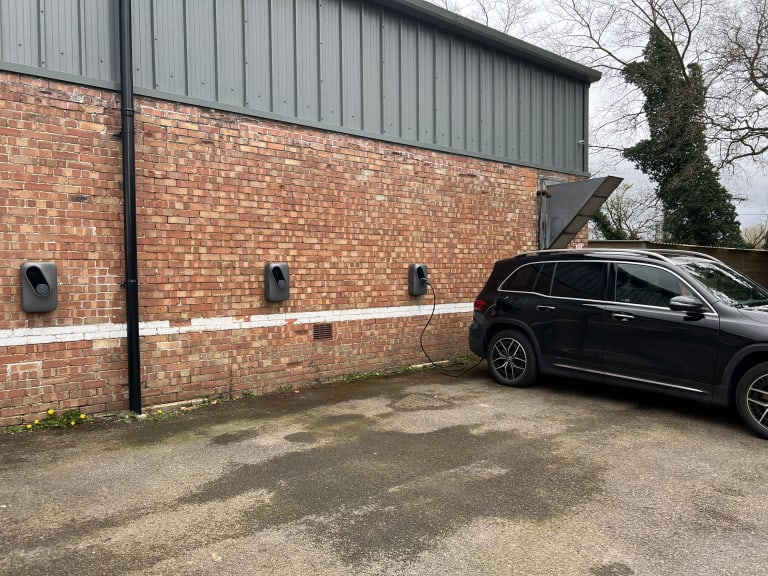
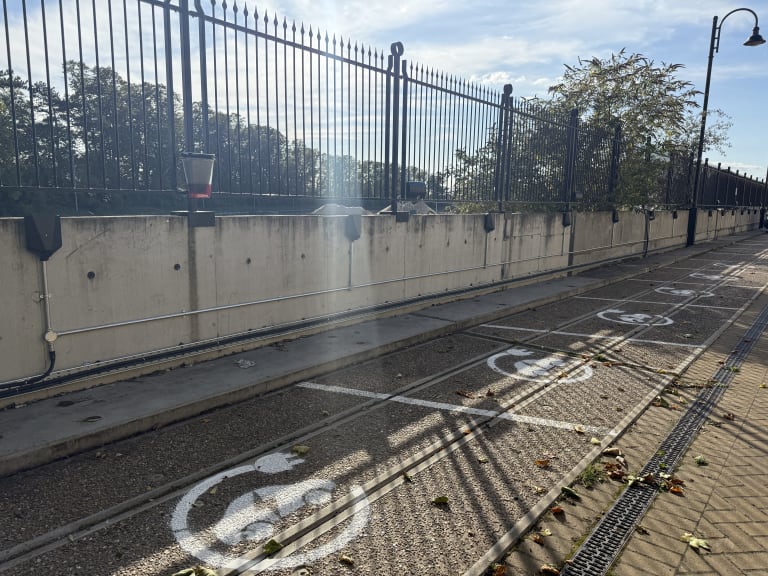
Active chargers are fully installed, operational units ready for drivers to plug in today. Passive infrastructure means cabling, ducting, and distribution capacity installed in advance, ready for a charger to be connected later.
Passive infrastructure costs a fraction of a full installation. The EV Infrastructure Grant pays up to £500 per bay for passive cabling, making it highly cost effective to wire extra bays now even if you do not plan to add chargers immediately. When demand grows, connecting a new charger to a pre wired bay takes hours rather than days.
We design every workplace project with this phased approach. You get the chargers you need today and the infrastructure to scale without disruption later.
What We Typically See
These are based on the projects we deliver across the UK. Every site is different, but this gives a sense of scale.
Smaller sites (10 to 30 spaces): 2 to 4 active chargers with passive cabling for up to 10 bays. Often works within existing electrical supply. Total project fits comfortably within grant funding.
Mid size sites (30 to 80 spaces): 4 to 8 active chargers with passive infrastructure for 15 to 25 bays. Load balancing shares power across all units. Distribution board upgrades are common at this scale.
Larger sites (80+ spaces): 8 or more active chargers with passive infrastructure across multiple zones. Smart load management is essential. These projects benefit most from phased rollouts and multi site grant claims.
The staff survey is the best way to pin down your numbers. We review the results during the site survey and recommend a charger count that matches actual demand rather than general benchmarks.