Can residents still use the old EV chargers once the provider has gone?
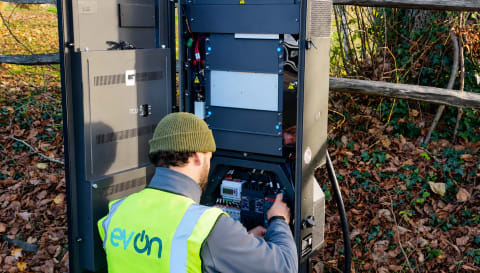
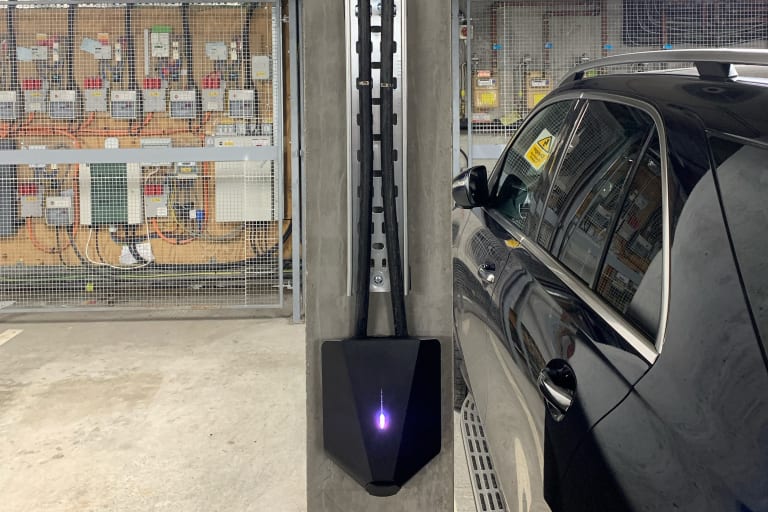
Usually not, because a communal charger only works while it is connected to a management platform, and that platform belonged to the operator who has left. Without it the charger cannot check who is plugging in, cannot start a session for a paying resident and cannot take a payment, so most units simply refuse to start. Some units are set to allow charging when they lose their connection, which is how a block ends up on free vend with the electricity going through the service charge. Others show a fault light and do nothing. Which one you have depends on how the operator configured the units, and a resident cannot change it from the app.
The same thing happens when a developer hands over a block with chargers that were never put on a platform at all.
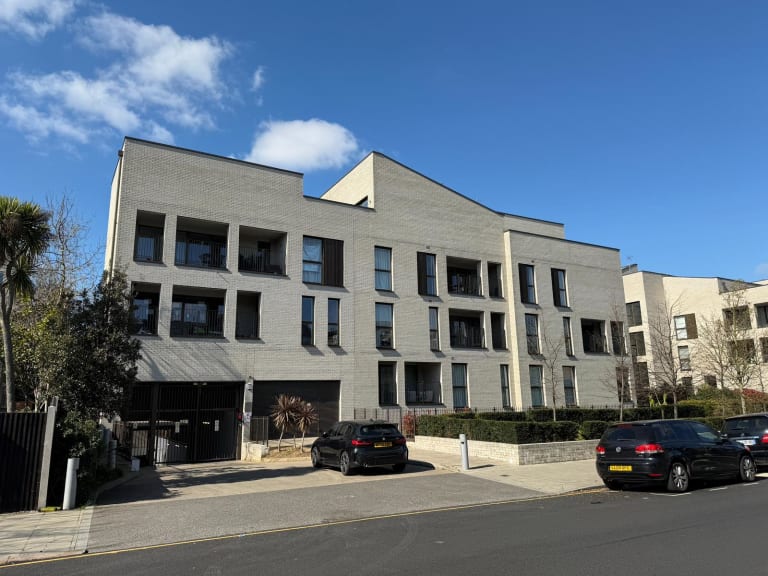
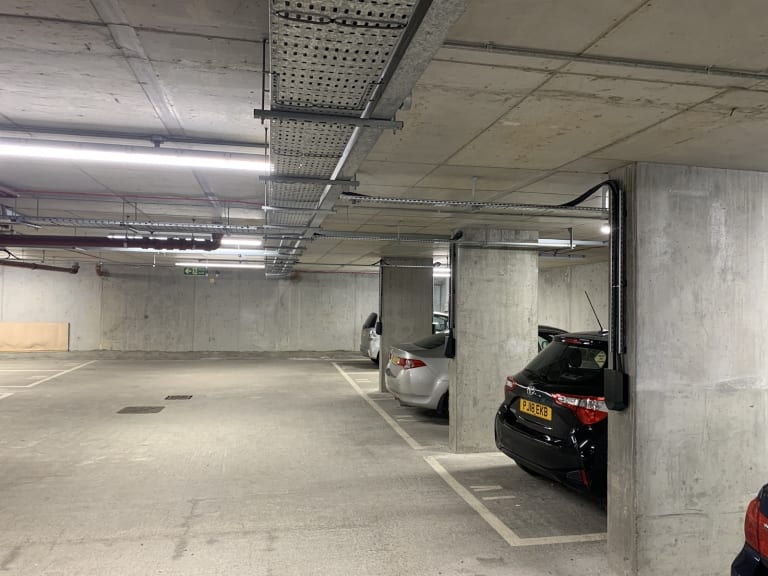
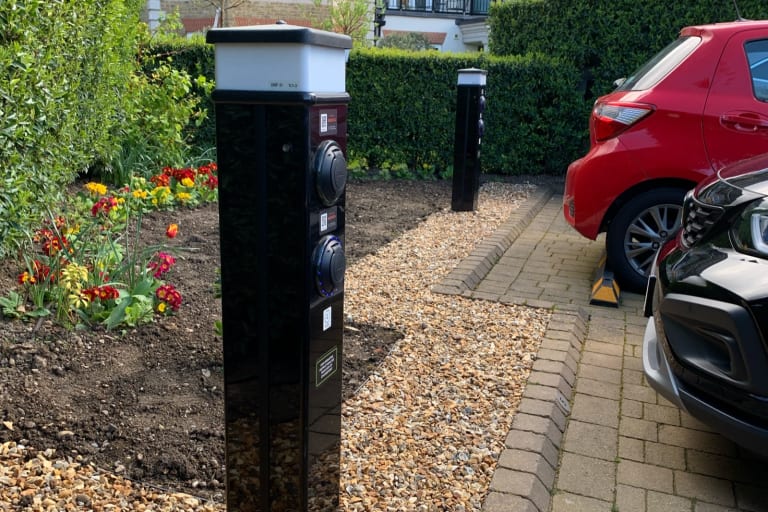
To give an example, one freeholder in north west London contacted us recently a year after the operator had stopped. Around 20 sockets were still on the wall, none of them working, and residents had been without charging for the whole of that time.
Can the block remove the old EV chargers itself, or does the operator have to?
That depends on who owns them, and the operator leaving does not change the answer. Who owns the chargers is set by the original agreement, and we cover how to find it and what to check on our switching EV charging provider page. If the operator owned the units, it is entitled to collect them and the agreement should say who pays to make good. If the block owned them, or the units are fixed to the building and no agreement can be found, the decision sits with the block.
A block that owns the units can have them isolated and removed by an electrician. A block that does not should ask the operator in writing to either remove them or transfer them, and keep that correspondence. Where the operator has stopped trading and nobody answers, the units are usually left in place switched off until the block is ready to replace them. If you are not sure where your block stands, send us what paperwork you do have and we will tell you what it means before anything is touched.
What are the options for dead EV chargers in a flats car park?
There are three, and the survey decides which applies to each unit:
- Adopt them. A charger that supports OCPP, the open standard that lets it talk to any management platform, can be connected to a new platform and goes back into service without buying a new unit.
- Replace them. Where a unit is locked to the old operator’s software or too old to run on a modern platform, a new chargepoint goes on the existing cabling. New chargepoints can qualify for the £500 per socket grant, which we apply for as part of the job.
- Remove them. Where the block does not want charging in that bay, the unit comes off and the cable is made safe.
In most blocks the expensive part of the original installation, the cabling and the supply, is still sound, so reusing it is where most of the saving is. Where the old chargers still work, adopting them is our first choice, because the service charge stops paying for charging and non EV drivers are no longer covering EV drivers’ usage. Which units can be adopted and how it is done, with the 20 chargers we took over at Millbrook Park as the example, is on our kept and moved to a new provider page.
Whichever option applies, the steps from finding the agreement to handing over the new platform are on our switching EV charging provider page. The full service, including case studies, is on our apartment block EV charging page.