Borrowing Caps by Measure
Each eligible upgrade has its own loan cap under the Warm Homes Loan Scheme. Here is how they stand today.
| Measure | Loan cap | Notes |
|---|---|---|
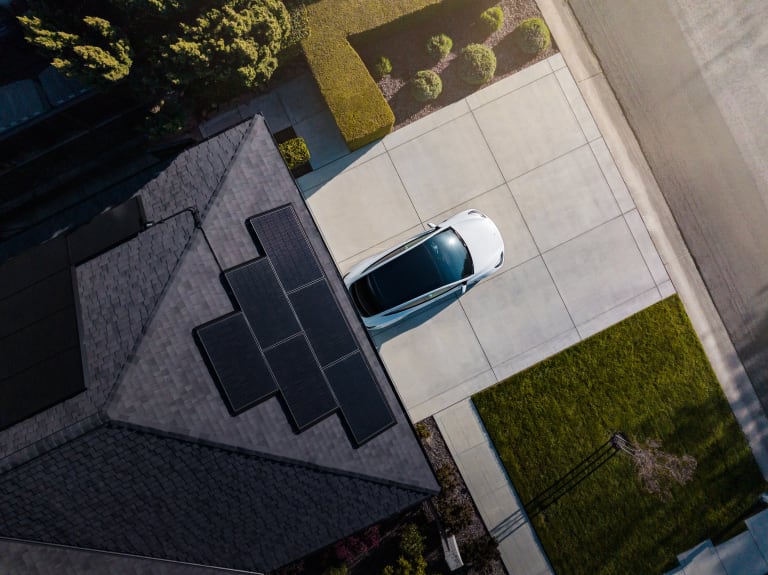
| Solar PV (rooftop) | £15,000 | Includes scaffolding, safety kit and grid connection. Not roof repairs |
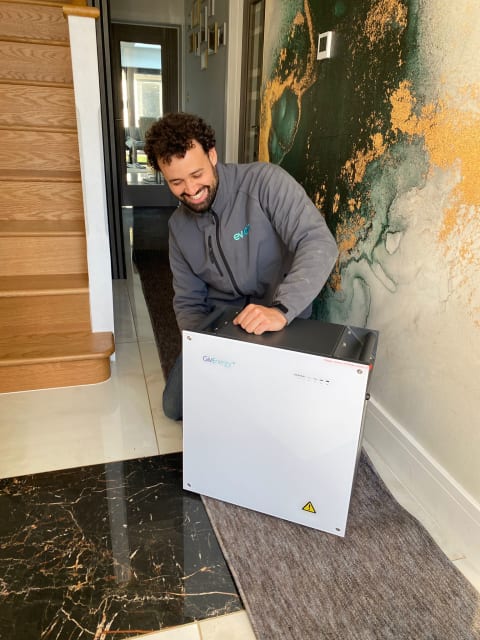
| Battery storage | £15,000 | Standalone or paired with solar. Includes monitoring, isolators and integration |
| EV chargepoint | Inside the solar or battery loan | Only as part of a solar or battery install, never on its own |
| Air to water heat pump | £20,000 | Before the £7,500 Boiler Upgrade Scheme grant is deducted |
| Ground source heat pump | £35,000 | Before Boiler Upgrade Scheme deduction. Includes water source and shared loops |
| Biomass boiler | £20,000 | Rural properties holding a Boiler Upgrade Scheme grant only |
Air to air heat pumps carry a £10,000 cap in the rules but are not eligible at launch, because there is no MCS standard for them yet. Micro wind and hydro caps are still to be confirmed before launch. Insulation is not an eligible measure under this scheme, though lenders may offer ordinary finance for it separately.
Stacking Caps in One Home
The caps are set by measure, so combining upgrades combines the borrowing. Solar at £15,000 and battery storage installation at £15,000 stack to £30,000 of subsidised borrowing in a single home. An EV chargepoint can ride inside that same solar or battery loan, rather than sitting under its own cap. So all three technologies can be funded through one scheme, on one property.
How the Rate Subsidy Works
The subsidy comes as a lower interest rate, not a cash payment to you. For loans of three to ten years, the aim is up to five percentage points off the lender’s market rate. That reduction is capped at 20% of the loan value, so a longer term can hit the cap and see slightly less than five points. There is no rate support at all on terms under three years.
A few honest points before you plan around a figure. No consumer rates exist yet. Lenders set them after their products are approved, so nobody can promise you a rate today. The loans come from FCA regulated lenders, not from us and not from the government directly. We install the systems. We do not offer, arrange or advise on the credit. Nothing is open to apply for yet either. The scheme is expected from September 2026, subject to approvals, with the industry expecting it could be later in the autumn.
Correct as of 24 July 2026.