Eligibility and Access
Define who can charge. Most policies cover employees with registered electric or plug in hybrid vehicles, plus visitors and contractors on a case by case basis. Require staff to register their vehicle details before they can access the chargers. If staff must register vehicle details, explain what data is collected, why it is needed, who can access it, and how long it is kept, in line with your privacy notice.
Decide whether any users should be prioritised. Fleet vehicles with operational needs may take priority in some workplaces. Many businesses choose a fair access model to reduce conflict, while still allowing reasonable adjustments for disabled employees where needed. If your business runs a salary sacrifice scheme, expect registrations to increase quickly.
Pricing and Payment
State whether charging is free, charged at cost recovery, or charged at a marked up rate. If charging is free, it is normally tax free under the workplace charging exemption in s.237A ITEPA 2003. This applies where charging is provided at or near the workplace and is available to employees generally. The exemption does not cover reimbursing staff for charging elsewhere, and does not apply where the benefit is offered through salary sacrifice. We can walk you through how this works for your setup.
If paid, specify the per kWh rate and payment method. Where charging is provided at a marked up rate, confirm the VAT and reporting treatment with your accountant.
Most businesses use app based payment through the charger management platform. Payroll deduction is an alternative for larger organisations. Whichever model you choose, put the rate in the policy so staff know what to expect.
Etiquette and Fair Use
This is where most disputes happen. Set charging windows, such as morning and afternoon sessions. Require drivers to move their vehicle once charging is complete or when their session ends. One session per employee per day is a common rule where demand is high.
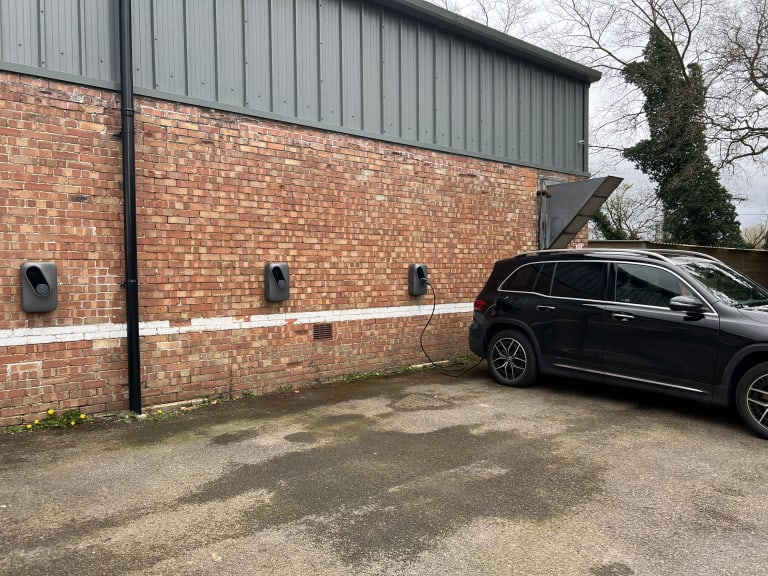
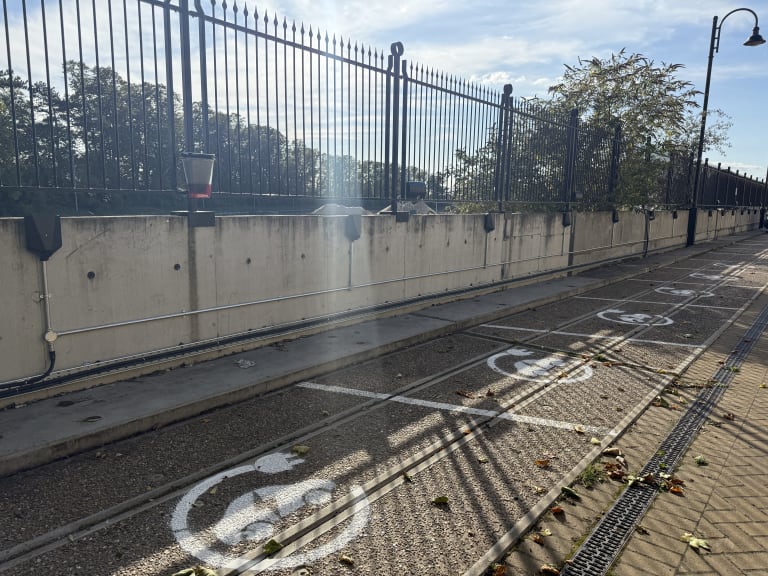
Restrict marked EV bays to vehicles that are actively charging. Non EV vehicles parked in charging bays should be addressed in the policy. A simple notification process works better than penalties for most workplaces.
Health and Safety
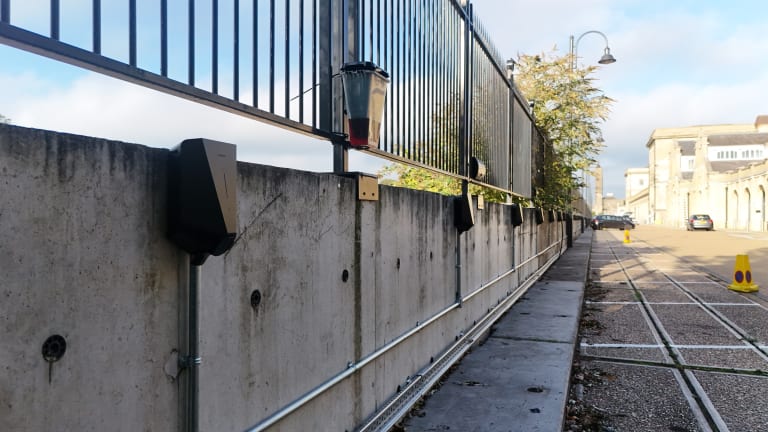
Carry out a risk assessment covering the charging area, cable routing, and trip hazards. Include reporting procedures for damaged equipment and require staff to inspect cables and connectors before each use. Mark EV bays with clear signage.
At least one charge bay, or a proportion of bays, should be usable by disabled drivers. Consider inclusive design guidance such as BS 8300 and PAS 1899 when setting bay clearances, kerb details, cable management, and signage. We design layouts that meet these standards so you do not have to navigate them yourself.
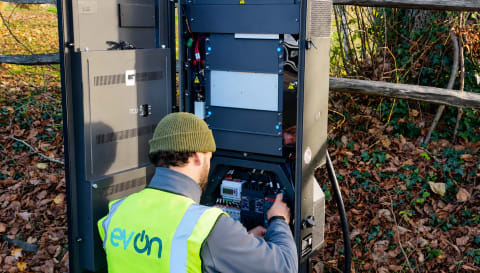
Employers are responsible for maintaining the chargers, keeping them serviced, and providing staff with a brief induction on safe use. We include this in the handover for every installation.