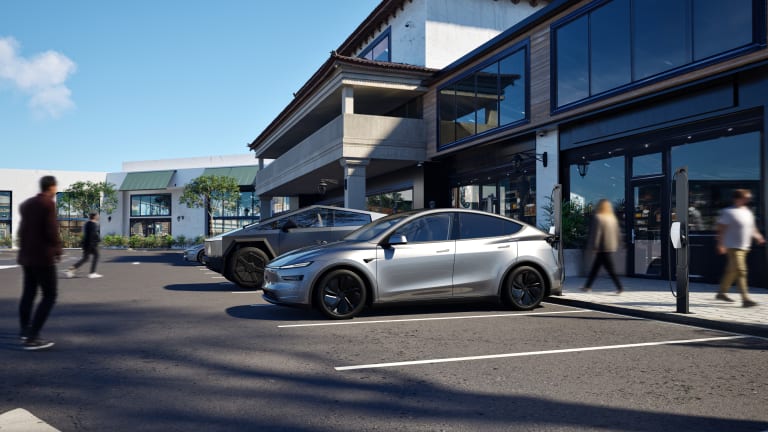
Typical Projects, Before and After Grant
| Setup | Before grant | After grant |
|---|---|---|
| 2 wall mounted sockets by the building | £1,600 to £2,400 | £600 to £1,400 |
| 4 sockets, two car park pedestals | £4,500 to £7,000 | £2,500 to £5,000 |
| 8 socket phased installation | £9,000 to £14,000 | £5,000 to £10,000 |
Ranges move with cable distance, surface type and switchgear. Hotel car parks tend to sit further from the electrical intake than domestic driveways, so trenching is usually the swing item, and the survey prices it exactly.
What Moves the Price on Hospitality Sites
Distance first, as always. A listed building adds consent time rather than hardware cost. Rural sites occasionally need network operator involvement if the incoming supply is modest and ambitions are large, though load management usually solves it without an upgrade, easing charging back when the kitchen peaks and accelerating overnight when the building sleeps, which is exactly when guests charge anyway.
Running costs stay modest: electricity you resell through the tariff, a small platform fee, and maintenance. Guest pricing at typical destination rates covers all three on any reasonably used site.
The Payback Frame
Think of the after grant cost against two lines. Charging revenue at a 30 to 50p per kWh guest tariff against your supply rate, and the bookings the amenity wins from drivers filtering for charging. On most sites we survey, the second line is worth more than the first, one extra EV booking a week outearns the sockets. That is why we treat charging as a bookings asset with a revenue side, not the reverse.
