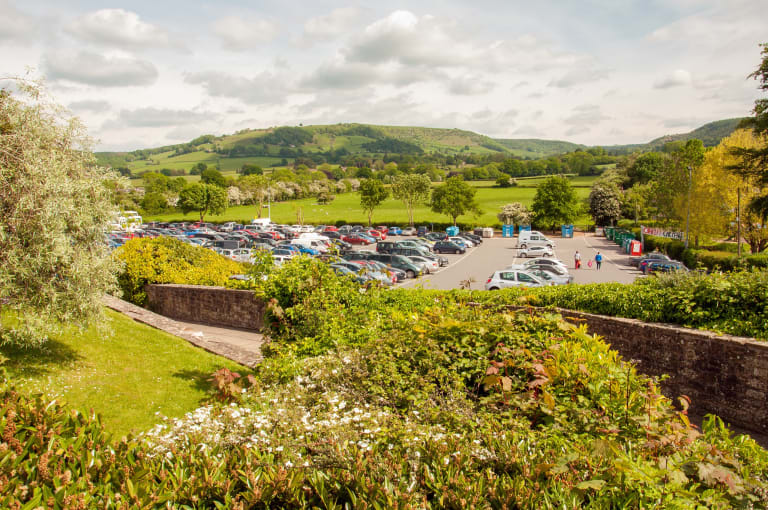
The Rural Reality, Without the Fear
The pattern rescues the physics. Hotel kitchens peak at seven in the evening; guest cars charge from ten to six. Load management reads the whole site’s demand in real time and gives charging whatever is spare, easing back during the dinner service and opening up as the building sleeps. Guests never notice, cars are full by breakfast, and your main fuse never meets its limit.
That is how sites on modest single or three phase supplies run four and six socket installations without touching the network operator.
When the DNO Enters the Picture
Every installation is notified to the network operator as standard. A genuine capacity conversation only starts when ambitions outgrow the supply even after load management, big installations, rapid hardware, or all electric sites already at their limit in winter. If an upgrade is ever the answer, it is priced and programmed at survey stage, never discovered mid project, and phasing usually defers it: install what today’s supply carries, revisit when demand proves itself.
The Survey Answers It in an Afternoon
We measure the incoming supply, map the real maximum demand from your actual usage, and design charging inside the headroom. Rural sites get the same fixed price certainty as anyone else, the difference is simply that the design work earns its keep twice over.
