Why Parks Are Moving Now
EV driving guests are arriving anyway, and without proper chargepoints they improvise, a granny cable from a 16A pitch bollard, which the major clubs now prohibit on their own sites for good reason. Pitch electrics were sized for kettles and heaters, not seven hours of continuous car charging, and unmetered pitches make heavy charging unfair to every other guest.
A small bank of dedicated 7kW chargepoints answers all of it. Guests charge properly and pay fairly, pitch electrics stay safe, and the park appears on the charging maps EV tourers plan trips with. Touring guests with EVs increasingly choose sites on exactly this.
What a Park Installation Looks Like
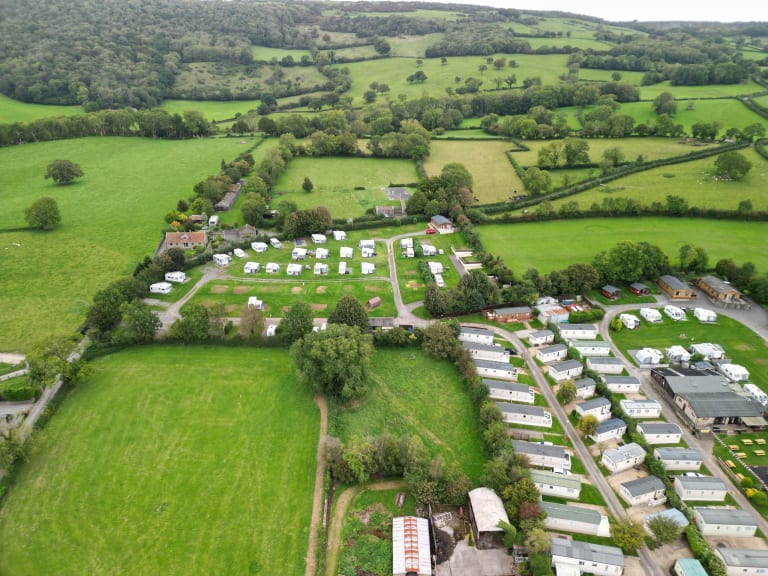
Two to four sockets near reception or the amenity block is the classic first phase, on the strongest part of the site’s supply. Load management matters more on parks than anywhere, rural supplies are finite and peak season is peak season, so the chargers ease back automatically when the site is drawing hard and run overnight when it is not.
The grant applies per socket, the survey maps your supply’s real headroom, and phasing means the busy summer months fund the next pair.
Seasonal Sites, Honest Maths
A park closed four months a year still works, because the paying season and the touring season are the same months. Guest tariffs at destination rates recover electricity with margin, the amenity earns bookings from the growing EV touring market, and the £500 per socket grant does not care about your opening dates. What matters is utilisation in season, which your pitch bookings already predict.
