How Two Chargers Share One Supply
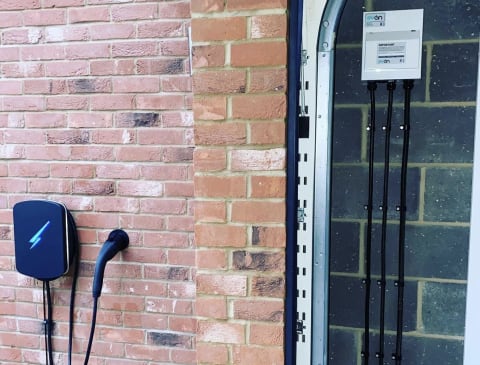
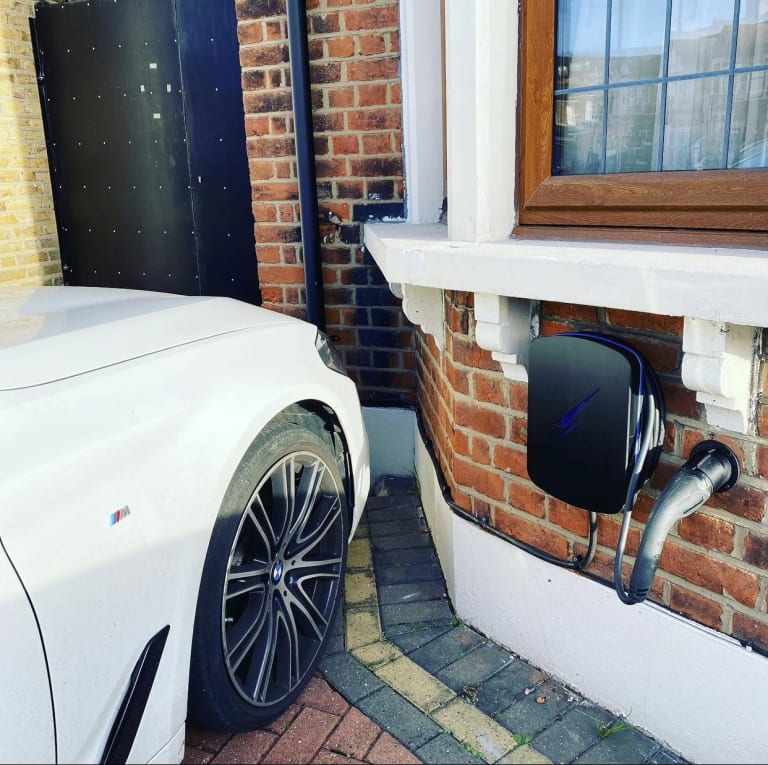
Load balancing is the whole trick. The two units talk to each other and split whatever current is spare after the house takes what it needs. Plug both cars in and each charges at reduced speed until one finishes, then the other takes the full rate. Overnight, the difference is invisible. Both cars are full by morning.
The Easee One is the standout here, with wireless load sharing for up to three chargers on a single fuse built into every unit. The myenergi and Hypervolt ecosystems support paired chargers too. We design the setup around whichever brand fits your cars and tariff.
Your network operator gets notified either way, and a second charger usually triggers a fresh maximum demand assessment. That is paperwork we handle, not a hurdle you need to think about.
Do You Actually Need Two?
Honest answer, many two car households do not. One 7kW charger delivers 150 to 200 miles overnight, and average UK daily mileage is 20 to 30 miles per car. A single charger with smart scheduling, cars swapped every few days, covers that comfortably. That is where we point most customers first, because it is a few hundred pounds cheaper and just as effective.
Two chargers earn their keep when both cars run high mileage, when nobody wants to think about swapping, or when the driveway layout makes one shared position awkward. All fair reasons, and the second unit usually costs less than the first because the circuit thinking is already done.
On grants, one claim per eligible vehicle per household. Renters and flat owners with two EVs can claim for each vehicle, homeowners with driveways claim nothing either way.