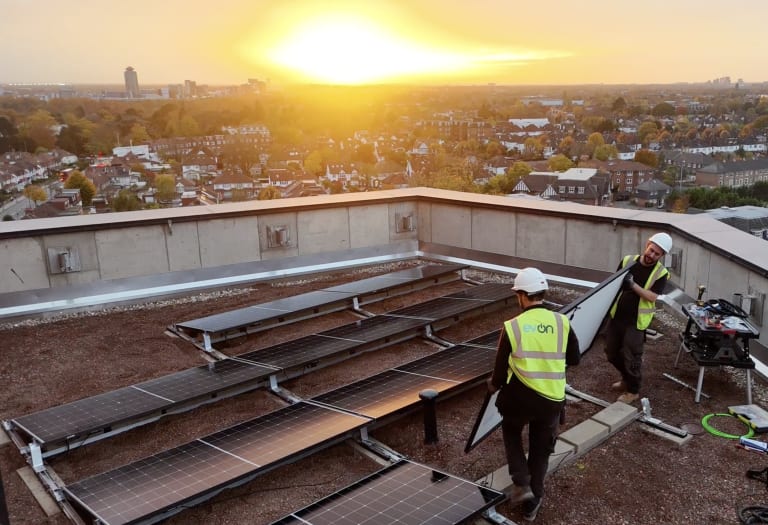
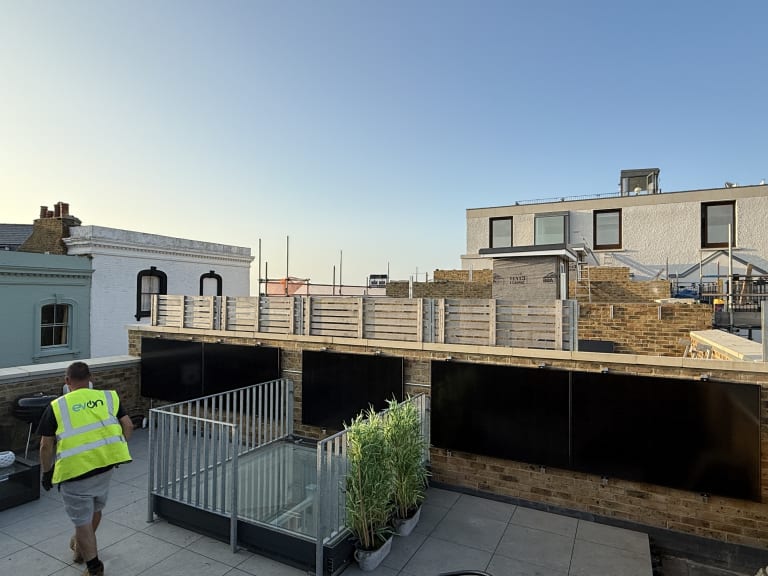
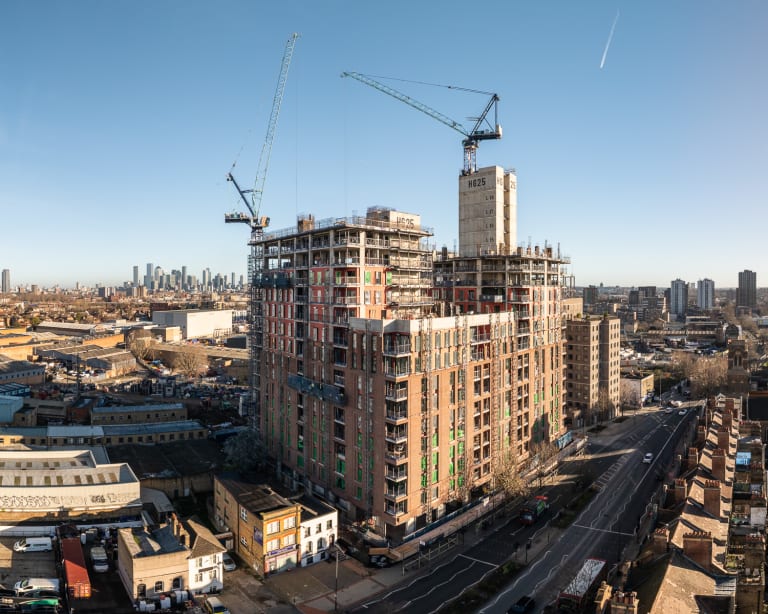
How the Retrofit Works
An AC coupled battery is effectively a second system that cooperates with the first. Its own inverter charges the battery from your solar surplus or from cheap overnight grid rates, and discharges into the building when that beats buying. Nothing about the original array changes, the two systems coordinate through the site’s metering.
That architecture is why waiting costs so little. The panels do not care whether a battery joins them in year one or year three, and battery prices have moved in the buyer’s favour year after year.
Why Solar First Is Often Smarter
A battery sized from assumptions is a guess; a battery sized from twelve months of your actual generation and consumption data is a calculation. Running solar first shows you exactly how much surplus exists to store, how your seasonal profile behaves, and whether peak shaving or overnight arbitrage is the money maker for your tariff. The battery you then buy is the right size, which matters, because oversized storage is the most common way to ruin battery economics.
What to Plan on Day One
Three cheap decisions during the solar install save real money at retrofit time. Leave physical space, wall or floor, near the main board. Size the switchgear and containment with the battery circuit in mind. And choose monitoring that already understands storage. We design every commercial solar project battery ready as standard, so the later conversation is a quotation, not a redesign.