The Variables That Decide It
| Factor | Strengthens the case | Weakens it |
|---|---|---|
| Daytime consumption | Factories, cold storage, offices, retail | Sites idle in daylight |
| Electricity rate | High unit rates make every generated kWh worth more | Legacy cheap contracts |
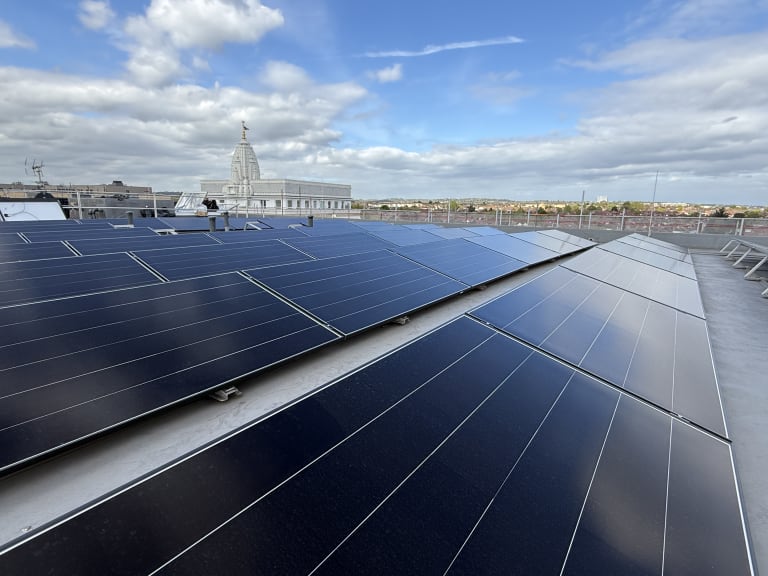
| Roof | Large, unshaded, south or east west facing steel | Small, shaded, north facing, fragile |
| Self consumption | Using most generation on site | Exporting most of it at low rates |
| Tax position | Profitable business using capital allowances | No profits to relieve |
Self consumption is the number one lever. A generated unit you use replaces electricity at your full commercial rate; an exported unit earns a few pence. Sites that consume most of what they generate see the strong end of the payback range.
The Honest Cases Against
A business that runs at night and sleeps by day exports most of its generation at modest rates, and the case thins. A short remaining lease weakens it too, solar is a long asset, though landlords increasingly engage because the building gains value. And a congested or fragile roof can price a project out. The survey establishes all three before anyone spends money, which is the point of doing it free.
Worth It Without the Capital?
If the returns appeal but the capital outlay does not, a power purchase agreement flips the model: a funder owns the system on your roof, you simply buy the power below grid rates. Less upside than owning, zero capital, still cheaper electricity from month one. We model both routes side by side so the decision is a comparison, not a leap.