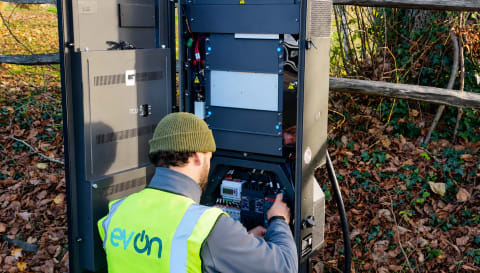
What Maintenance Actually Involves
Less than schools expect. Chargepoints have no moving parts, so the work is monitoring, firmware, electrical inspection and the occasional physical repair. The platform watches every socket around the clock and flags faults before staff notice them, usually with the fix applied remotely.
The annual visit covers the physical half: electrical testing, connector wear, enclosure seals, cable condition, and the certificate your insurance and estates files want. We write an annual report per site in plain English, the same document our commercial management contracts produce, so the business manager files evidence rather than chasing it.
Who Fixes What
| Issue | Who handles it |
|---|---|
| Charger fault or error | Remote diagnosis first, engineer visit if hardware, covered under warranty or contract |
| Damaged cable or socket | Engineer replacement, contract covers wear, insurance covers vandalism |
| App or payment problem | Platform support, same day, no site visit |
| Annual inspection and certificate | Scheduled service visit in a school holiday |
The school’s site team does none of the electrical work. Their whole role is a phone number and an eye on the car park.
Budgeting for the Long Term
Chargers are built for a decade or more of service, and warranties run three to five years depending on hardware. A sensible school budget line is a small annual maintenance fee per socket, fixed in the contract, covering monitoring, the service visit and call outs. Public charging revenue on an open site typically covers it several times over, which is a tidy answer for the governors’ resources committee.