How the Relief Works
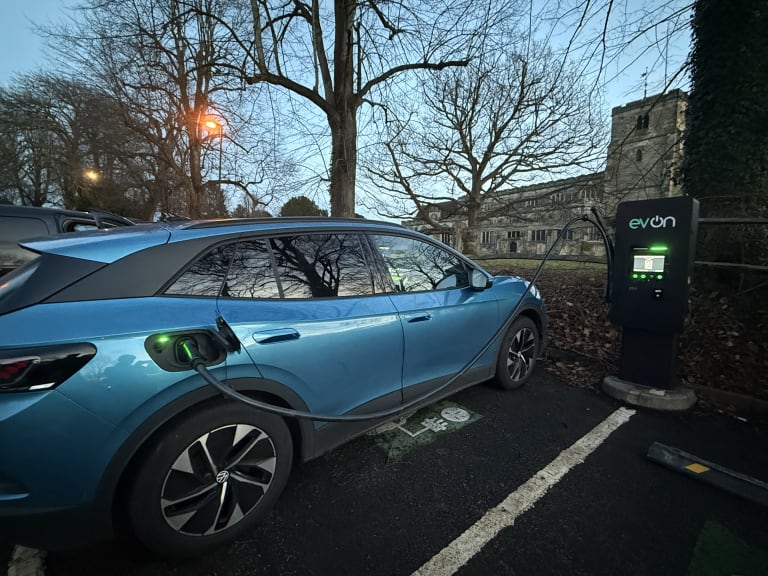
From 1 April 2026, the Valuation Office Agency will separately assess EV charging equipment for business rates purposes for the first time. Until that date, charging bays have been exempt from assessment. The government introduced 100 percent relief to offset this new assessment, so eligible installations pay zero business rates.
The relief applies automatically to eligible installations without requiring a separate application. You simply report through the standard business rates process with your local billing authority. The relief covers the full rateable value of eligible EV charging points and EV only forecourts. Detailed eligibility regulations are being published ahead of April 2026. The relief runs for 10 years, giving long term certainty for investment planning.
Impact on Your Charging ROI
Business rates on commercial equipment typically add several thousand pounds per year to operating costs. Removing that liability entirely improves your net revenue from every charging session.
The financial benefit depends on your site’s rateable value, which varies by location and configuration. The VOA estimated total business rates across the UK public charging sector at approximately £25 million across 64,000 bays. A 10 year 100 percent relief eliminates this liability entirely. Sites that own their chargers see the saving directly. In revenue share or concession arrangements, the party responsible for the charging installation (usually the operator) typically receives the benefit, which may translate to improved terms or greater operator investment in your site.
Other Tax Benefits for EV Charging
Business rates relief sits alongside other financial incentives. First Year Allowances let businesses deduct 100 percent of EV charging equipment costs from taxable profits in the year of purchase. This applies until 31 March 2027 for corporation tax and 5 April 2027 for income tax, so installations should be completed by these dates to capture the benefit. Full expensing rules also apply to charging infrastructure classified as plant and machinery.
Combined, these benefits mean a business can write off the full cost of installation against tax in year one and pay zero business rates for a decade. The financial case for installing charging has never been stronger.
We help site owners understand which incentives apply to their situation as part of every project assessment. The rules can feel complicated. The savings are worth it.