Option 1: Own Outright
You fund the installation. You own the chargers. You keep every penny of charging revenue.
A typical public installation costs £20,000 to £80,000 depending on the number of chargers and electrical upgrades needed. Payback periods run 3 to 5 years for high traffic rapid sites and 5 to 7 years for fast chargers in quieter locations. After payback, the revenue is pure profit.
The downside is risk. You fund the capital. You handle maintenance costs (around 10 to 20 percent of annual revenue). You manage operations or pay someone to do it. This model works best for sites with available budget, high utilisation, and long term ownership of the property.
Option 2: Fully Funded (Zero Upfront Cost)
An operator funds the entire installation and manages everything. Hardware, groundworks, grid connection, maintenance, billing, and driver support. You provide the site and receive a share of the revenue.
Host terms arrive as a fixed rent per bay, a share of charging revenue, or a blend of the two, and the exact numbers are negotiated deal by deal rather than published. High traffic sites command the strongest terms. Contracts typically run 10 to 15 years, some operators offer minimum revenue guarantees against quiet periods, and the term, exit provisions and indexation deserve as much attention as the headline share.
At the end of the contract, you can renew, buy the equipment at depreciated value, or have it removed. Zero risk. Zero effort. Income from day one.
Option 3: Own Hardware, Outsource Operations
This is the middle ground. You fund and own the chargers. An operator manages the network on your behalf. You keep most of the revenue and pay the operator a management fee.
This works well for sites that want the financial upside of ownership without the operational complexity. You get control over the asset. The operator handles driver support, maintenance, payment processing, and reporting.
Which Model Suits Your Site?
Retail parks and shopping centres often suit the fully funded model. The dwell time matches charging speed and the operator investment is justified by footfall. Leisure venues with long visit times benefit from ownership because higher utilisation drives faster payback. Car park operators split between models depending on whether they have capital available.
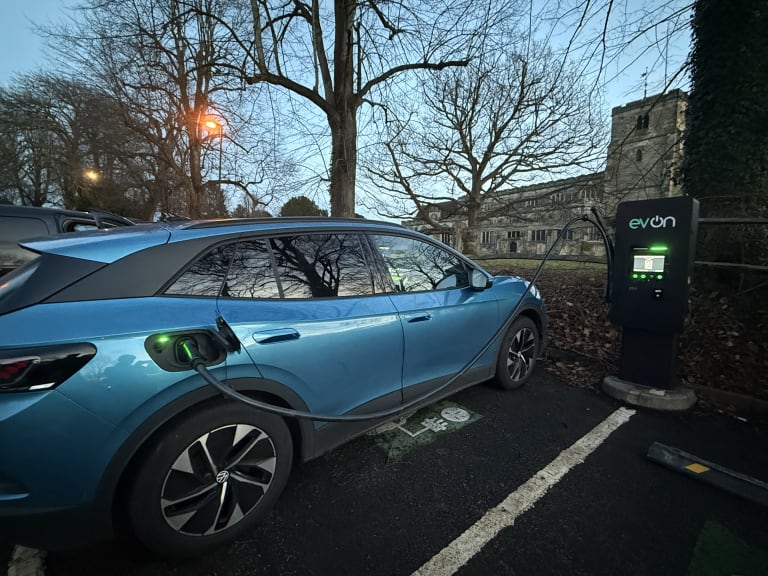
The honest answer is that no single model is best for every site. At EV-ON, we are one of few providers that offer all three options. We recommend the model that fits your situation rather than pushing a single approach.