Stage 1: Site Survey and Design
The process starts with a full site survey. Our engineers assess your existing electrical supply, distribution board capacity, cable route options, and parking layout. For multi storey and underground car parks, they also check ventilation, fire safety provisions, and access for installation equipment.
You receive a detailed proposal covering charger numbers and positions, electrical infrastructure requirements, load management design, and a realistic project timeline. Revenue projections and funding options are included too.
Stage 2: Grid Connection and Approvals
Most car parks with more than a few chargers need a Distribution Network Operator (DNO) application. This secures enough grid capacity for the charging load. The DNO process typically takes 4 to 12 weeks.
Planning permission is rarely needed since May 2025. Permitted development rights now cover most car park installations. Heritage sites and some conservation areas may still require consent. We confirm this during the survey and handle any applications needed.
Stage 3: Installation
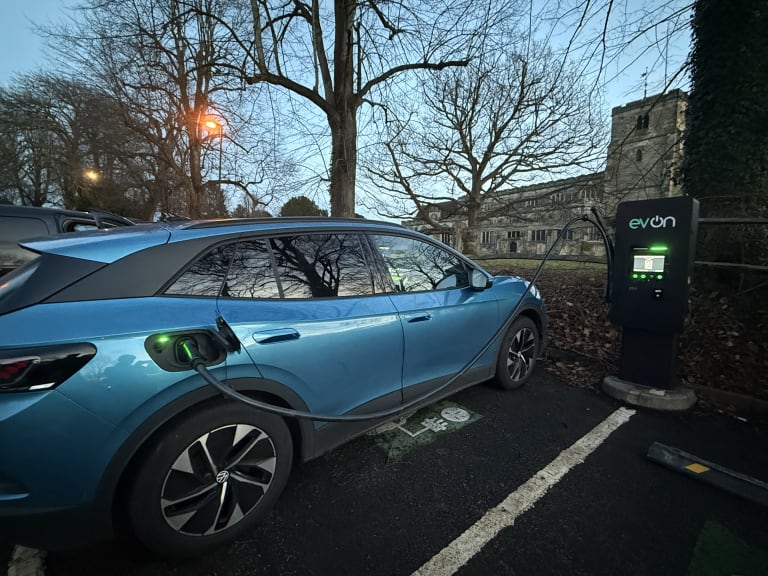
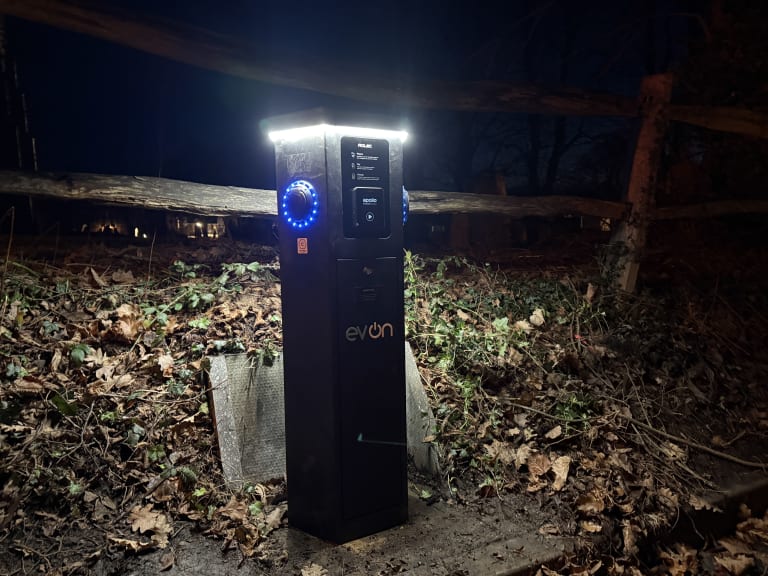
Installation covers electrical distribution upgrades, cable routing, groundworks, and charger mounting. Surface car parks need trenching for underground cables. Multi storey car parks use ceiling trays and risers to route cables between levels.
Underground car parks cost more. They need higher rated waterproof enclosures (IP65 or above), specialist cable routing to avoid flood risk areas, and sometimes enhanced ventilation. Budget an additional 10 to 15% over surface level installations.
Load management is standard for any car park with more than a handful of chargers. Smart systems share available power across all units so the building never exceeds its electrical supply limit. This avoids expensive grid upgrades.
All work is scheduled around your operating hours. We coordinate with site management to minimise disruption to visitors and tenants.
Stage 4: Commissioning and Handover
Every charger goes through full electrical testing and safety certification. Payment systems are configured with contactless readers, pricing displays, and receipt delivery. We set up the management platform, train your site team, and install signage and wayfinding.
The system goes live and we monitor performance from day one. Our 24/7 support team handles any driver queries.