What Changed on 29 May 2025
The government updated the Town and Country Planning (General Permitted Development) (England) Order 2015 via S.I. 2025/560 to remove the planning requirement for most non domestic EV chargepoint installations. The Department for Transport and Office for Zero Emission Vehicles confirmed these changes came into force on 29 May 2025.
Before this change, many commercial sites needed to submit a planning application. That added weeks or months to the project timeline. The updated permitted development rights now cover standard installations at commercial sites, retail premises, off street parking areas, and shared business locations.
Where Planning Permission Is Still Required
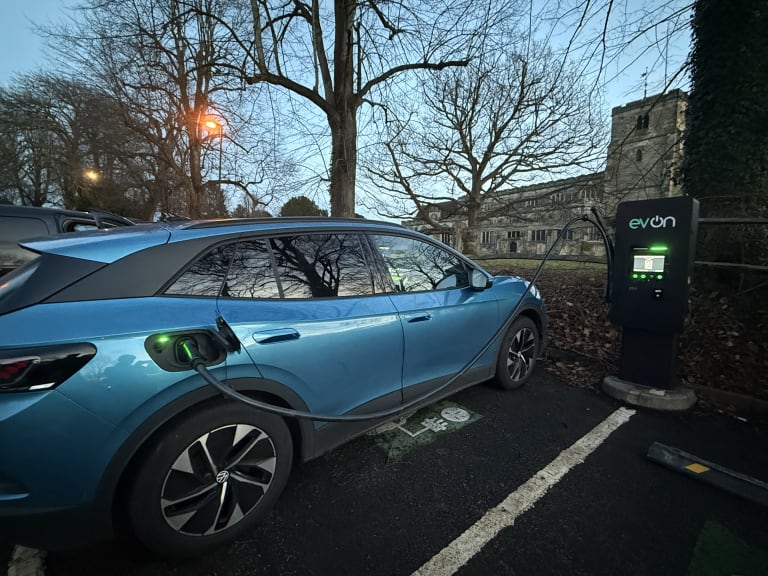
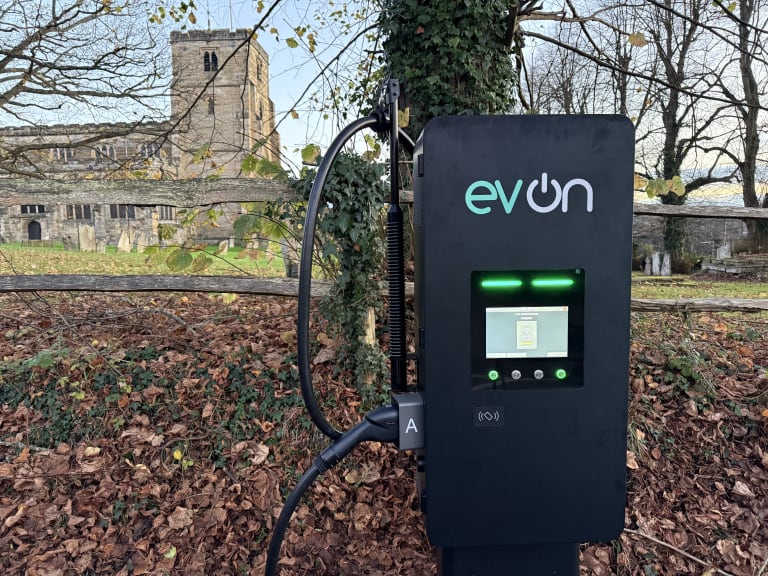
Some locations still need formal planning consent. Listed buildings, conservation areas, Areas of Outstanding Natural Beauty, and national parks fall outside permitted development rights. Sites with Article 4 directions from the local authority may also need approval.
Large scale developments and on street charging installations can trigger planning requirements too. Heritage sites and protected areas often have specific conditions around the size, appearance, and placement of charging equipment.
If your site sits in a designated area, we confirm the requirements during the initial survey. Most commercial sites outside these categories can proceed straight to installation.
What About Highways and Cross Pavement Chargers
Cross pavement charging solutions still require separate permissions under Section 178 of the Highways Act 1980. These are not covered by the planning changes. Street works permits may also be needed depending on cable routing.
We handle all permissions and approvals as part of the project. You do not need to manage this separately.