How Smart Load Management Avoids Upgrades
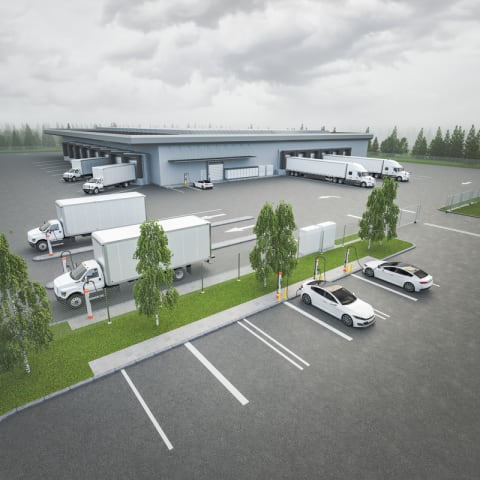
Load management software shares available power across all chargers on site. If your supply provides 100kW and you have 10 chargers, the system distributes power based on priority and schedule. High priority vehicles get full power first. Others charge at a reduced rate and reach full charge during the overnight window.
This means you can install more chargers than your raw electrical supply would normally allow. Most fleet vehicles park for 8 or more hours overnight. They do not all need maximum power simultaneously. The software takes advantage of that natural spread.
When a Supply Upgrade Is Unavoidable
Some depots genuinely need more power. This is typically the case when you need DC rapid chargers drawing 50kW or more each. Or when your existing supply is already near capacity from other site operations. Large depots with 30 or more vehicles charging simultaneously may also exceed what load management alone can handle.
A DNO capacity assessment during the site survey identifies whether an upgrade is needed. We check your current supply, calculate your charging demand and model the load management scenario before recommending any upgrade work.
What a DNO Upgrade Involves
A Distribution Network Operator upgrade means applying to your local DNO for additional electrical capacity at your site. The process includes a capacity application, a quotation for reinforcement works and the physical installation of new cabling or transformers.
Basic connection upgrades take 3 to 6 months. Larger upgrades requiring new substations or network reinforcement can take 6 to 24 months. We handle the entire DNO application process and coordinate the timeline with your fleet transition plan.