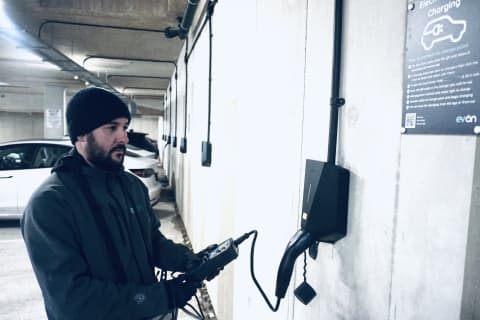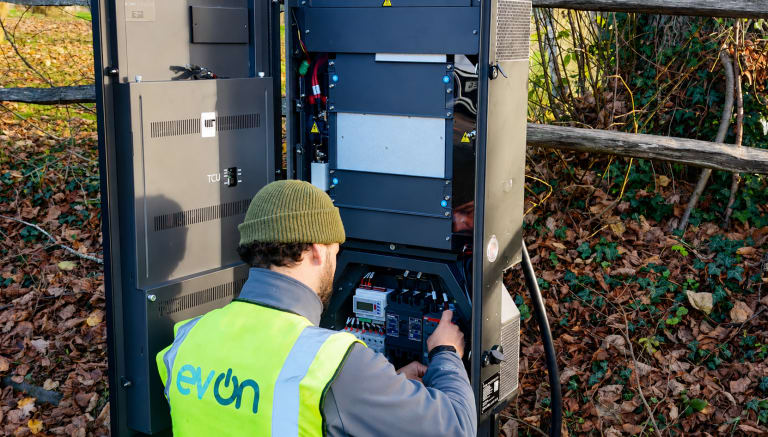
You are not tied to the installer
This is the first thing worth saying, because a lot of people assume otherwise and put up with a dead charger for months.
An EV charger is a piece of electrical equipment on a normal domestic or commercial circuit, and a suitably qualified electrician can work on it. There is no rule that says only the original installer may touch it.
One caveat, which mostly does not apply in your situation. While a unit is in warranty, several manufacturers direct owners to the installer or to their own support, and some warranty terms restrict who may carry out repairs. Where the installer has gone, the workmanship guarantee has gone with it, and the manufacturer route is direct.
The number of installers who entered the market during the grant years and have since closed is large. It is one of the most common situations we attend, and it is not a barrier.
What happens to your warranty
Two different things are usually called a warranty, and they behave differently when a company closes.
The manufacturer warranty covers the unit itself, commonly three years and sometimes longer. It sits with the maker, not the installer, so it normally survives the installer going under. Register the unit if you have not, and go direct to the manufacturer with the serial number.
The installation or workmanship guarantee covers the fitting: the cable run, the terminations, the mounting. That was a promise from the company, and if the company has gone, so has the promise.
If you paid by credit card and the amount was over £100, Section 75 of the Consumer Credit Act may give you a claim against the card provider. Worth checking before you write the money off.
If the work was notified under a competent person scheme, the scheme provider may offer some protection on the installation. Check any certificate you were given for a scheme name.
What to gather before you call anybody
The make, model and serial number of the charger, usually on a label on the underside or inside the flap.
Any paperwork from the installation, in particular the electrical installation certificate. This tells the next engineer how the circuit was designed and protected, which saves diagnostic time.
Anything you know about the supply, especially whether an earth rod was installed.
If you have none of it, that is fine and it is normal. It just means the first visit includes finding out.
What a good first visit looks like
An engineer taking on somebody else’s installation should start by establishing what is actually there rather than going straight to the reported fault.
That means testing the circuit, checking the protective arrangement, confirming whether open PEN protection is in place on a TN-C-S supply, and inspecting the unit itself. Chargers fitted before the current rules came in are common, and finding that out is more useful than replacing a breaker and leaving.
You should get the outcome in writing. If a firm will not tell you in a document what they found, that is worth noting.
Commercial sites and estates
For a block of flats, a workplace or a depot, this situation is even more common, and it is usually a portfolio rather than a single charger.
We take those on after an inspection and formal acceptance, which exists so both sides know what is being signed up to. It is the route in, not the barrier. Our EV charger maintenance contracts for commercial sites cover how that works.