How Fast Charging Works
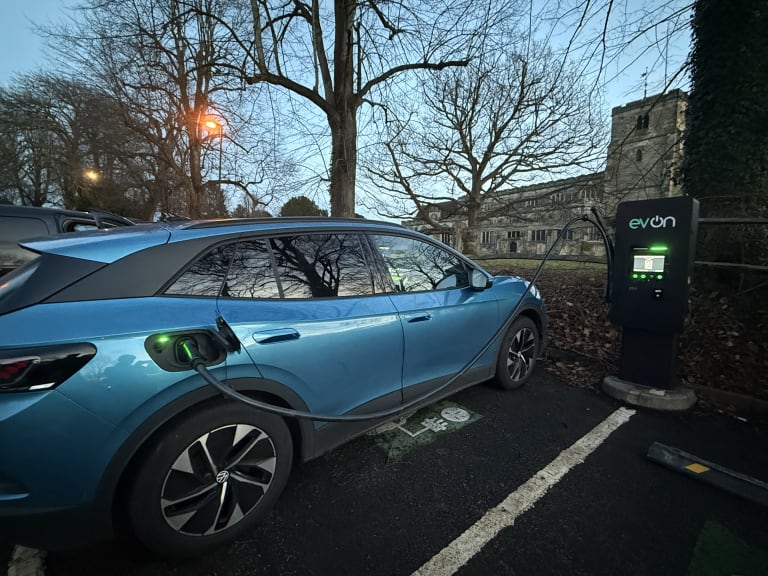
Fast chargers use AC (alternating current) power, typically through a Type 2 connector. The vehicle’s onboard converter changes this to DC power to charge the battery. That onboard converter limits the speed, which is why AC charging tops out at around 22kW for most vehicles.
A 7kW charger adds roughly 25 miles per hour. A 22kW charger adds around 75 miles per hour. Most drivers need 2 to 4 hours for a meaningful charge at these speeds.
Fast chargers work well at leisure centres, shopping destinations, hotels, and town centre car parks. Anywhere people stay for two hours or more. The hardware costs less to buy and install. The electrical infrastructure requirements are simpler too.
How Rapid Charging Works
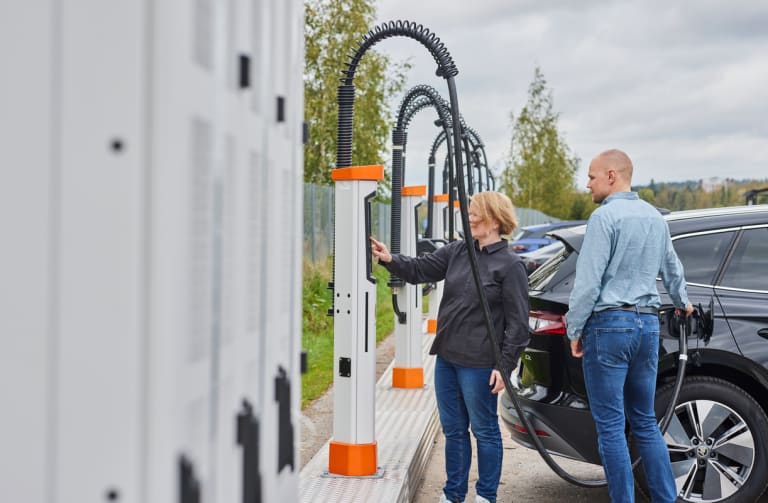
Rapid chargers use DC (direct current) power. They bypass the vehicle’s onboard converter and feed power directly into the battery. This is what makes them so much faster.
A 50kW rapid charger can take a typical EV from 20% to 80% in around 40 minutes. Ultra rapid chargers at 150kW or above can do the same in 15 to 20 minutes. Most rapid chargers use CCS connectors, which are now standard on nearly all new EVs sold in the UK.
Rapid chargers suit retail parks, tourist attractions, and any location where visitors stay 30 to 60 minutes. The hardware is more expensive but generates significantly more revenue per session.
One naming note. Official statistics now band chargers as standard (under 8kW), standard plus (8 to 50kW), rapid (50 to 150kW) and ultra rapid (150kW and above). Drivers and the industry still say fast and rapid, and so do we, but you will see both systems in the data.
Cost Comparison at Public Chargers
Zapmap’s mid 2026 price index puts standard public charging at around 16p per mile and rapid charging at around 24p per mile, which works out to roughly the mid 50s and mid 80s in pence per kWh for a typical EV. Drivers pay more for speed, which is why rapid chargers generate higher revenue for site owners.
A rapid charger at a busy location can earn between £8,000 and £15,000 per year. A fast charger at a destination venue typically earns between £2,000 and £5,000 per year. The right choice depends on your visitor patterns and dwell times.
The UK Public Network
The official count passed 80,000 public charging devices in early 2026, with nearly 13,000 of them ultra rapid, the fastest growing band on the network. New installations increasingly favour higher power units as EV battery technology improves and drivers expect quicker charging sessions.
Which Speed Should You Choose
The answer depends on how long people stay at your site. If visitors park for two hours or more, fast chargers are the practical choice. If visitors stay under an hour, rapid chargers deliver a better experience and higher utilisation.
Most public sites benefit from a mix of both. We design the right combination based on your location, visitor behaviour, and electrical capacity.