Where UK Fleets Are Now
Fleet electrification is accelerating, and the driver is regulation as much as choice. The ZEV mandate obliges manufacturers to make a rising share of every year’s new cars and vans zero emission, 33% of cars and 24% of vans in 2026, climbing annually to 100% by 2035. Fleets feel that first, because manufacturers prioritise fleet channels for EV allocation and the diesel options thin with every model cycle.
82% of new battery electric vehicle registrations in the UK are by businesses. Fleets are leading the transition because the business case is strong. Lower fuel costs, lower maintenance, reduced tax liabilities and access to grant funding.
How to Start Your Transition
Start with an assessment of your current fleet. Document vehicle types, daily mileage, typical routes and parking arrangements. Identify which vehicles have short, predictable routes and return to a fixed location overnight. These are your first candidates for electric.
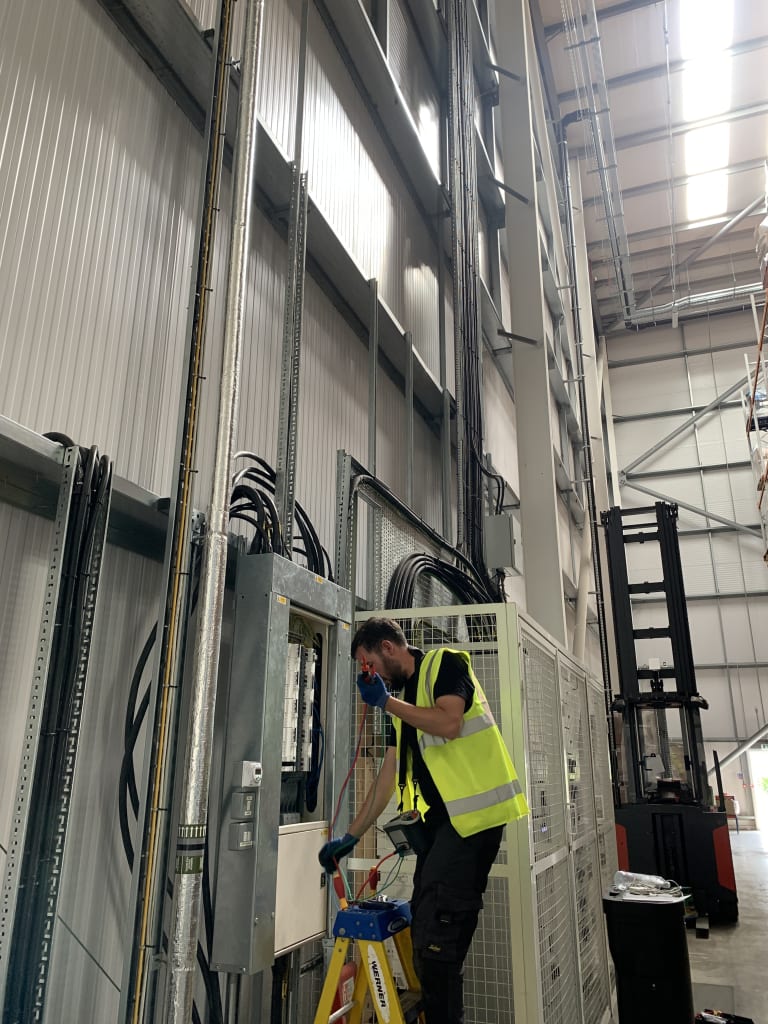
Engage your Distribution Network Operator early. Checking your site electrical capacity can take months. If you need an upgrade, that timeline extends significantly. Early engagement prevents the grid becoming a blocker later.
Establish a home charging policy for drivers who take vehicles home. This includes equipment provision, electricity reimbursement using the HMRC Advisory Electricity Rate and permissions from landlords for drivers who do not have driveways.
Planning Your Charging Infrastructure
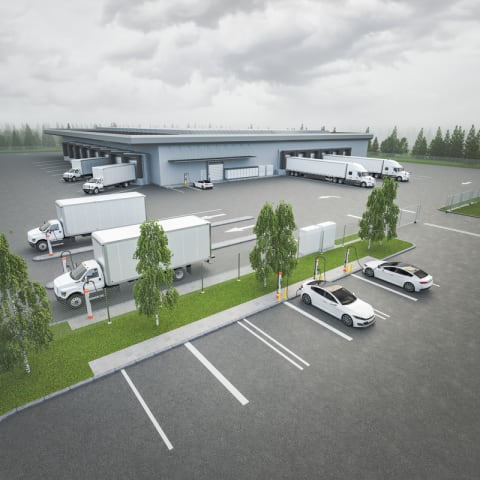
Once you know which vehicles will go electric first, plan the charging infrastructure to support them. Most fleets start with AC depot charging for overnight turnaround. DC rapid chargers are added later for high utilisation vehicles.
Grant funding comes through the Workplace Charging Scheme: £500 per socket at 75 percent of cost, up to 40 sockets across your sites, open until 31 March 2027. The old Infrastructure Grant that funded cabling and groundworks closed in March 2026, so sizing the civils for the whole fleet during the first installation matters more than ever.
A phased rollout works best. Pilot with 10 to 20% of your fleet. Monitor performance, adjust processes and scale up at each vehicle replacement cycle. You do not need to switch everything at once. The transition runs alongside your existing fleet until the mix tips fully electric.