Battery Storage as Plant and Machinery
Capital allowances let a business deduct the cost of certain assets from its taxable profit. HMRC allows this for items you keep to use in your business, which it calls plant and machinery.
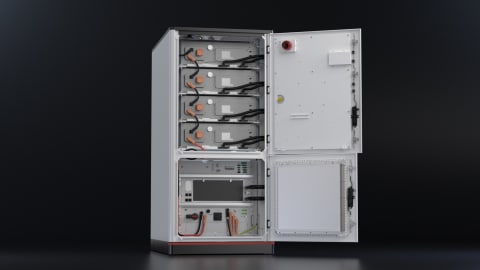
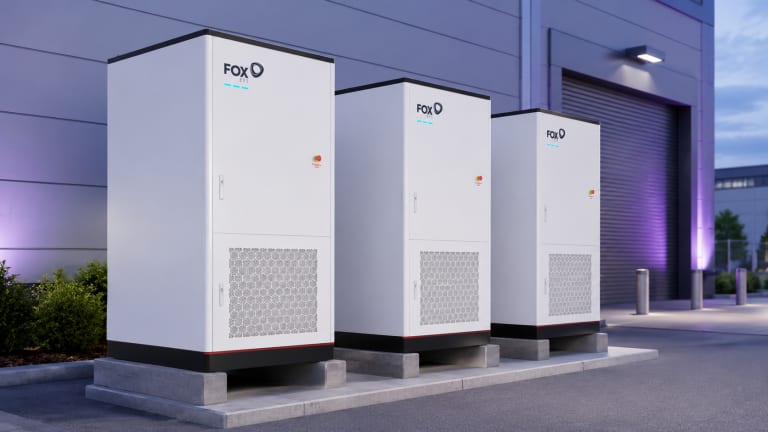
A battery installed to cut your electricity bills or to keep your operations running is used in your trade. On that basis it is normally treated as plant and machinery. That is the gateway to the reliefs below. Whether the system is standalone or paired with solar does not usually change this.
The reliefs are genuinely useful, and the good news is that most of the work here sits with your accountant, not you.
Full Expensing and the Annual Investment Allowance
Two reliefs matter most for battery storage.
The Annual Investment Allowance gives 100% relief on qualifying plant and machinery in the year you buy it, up to £1 million per accounting period. For most commercial battery projects, that covers the whole cost in year one.
Full expensing gives companies 100% first year relief on new and unused main rate plant and machinery, with no upper limit. Standalone battery storage normally sits in the main rate pool, so it usually qualifies. Solar panels are treated differently, as special rate assets with a 50% first year allowance, which is one reason classification is a question for your accountant. For a project under £1 million, the Annual Investment Allowance usually delivers the same 100% deduction either way.
The VAT Position, Explained Honestly
VAT is where clarity matters, so here is the straight version. Homes pay 0% VAT on battery storage until March 2027. Commercial premises do not get that relief, so a business install is charged at the standard 20%.
That sounds like a disadvantage, but it usually is not. A VAT registered business reclaims that 20% as input tax in the normal way, provided the battery is used for taxable business activities. In most cases the VAT comes back out of the cost in full, though partially exempt businesses recover less.
Put the pieces together and the year one picture is strong. Between the VAT reclaim and the capital allowances, a VAT registered, profit making company can typically offset around a third of the total project cost in the first year, roughly 32% to 38% depending on your corporation tax rate. Your accountant will confirm the exact figures for your company, and we will show you the real numbers at survey.