The 80 Percent Habit, Explained
A lithium ion battery spends its life most comfortably in the middle of its range. Parked for days at 100 percent, the cells sit under stress and age slightly faster. Run regularly to nearly empty, same story at the other end. Neither ruins a battery overnight, it just adds up over years.
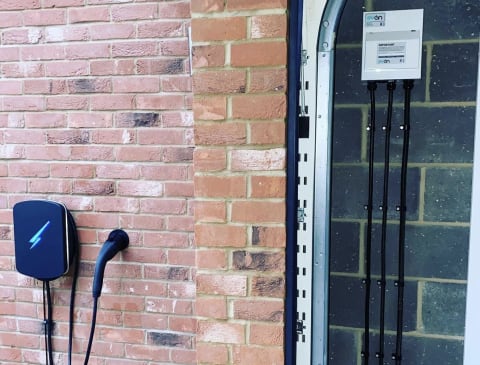
So the habit that serves most owners: set the daily charge limit to 80 percent in the car or charger app, plug in every evening, and bump the limit to 100 percent the night before a long journey. Every smart charger we install makes that a ten second job, and the car arrives at full just before you leave rather than sitting at full all night.
Do not overthink it either. Modern batteries are managed hard by the car’s own software, and real world data shows most EVs holding around 90 percent capacity past 100,000 miles. Battery warranties typically run 8 years and guarantee at least 70 percent capacity. The 80 percent habit is good practice, not a survival requirement.
The LFP Exception
Cars with lithium iron phosphate batteries play by different rules. The chemistry tolerates full charge happily, and manufacturers, Tesla most famously for its LFP models, tell owners to charge to 100 percent regularly, partly so the car can calibrate its range estimate. If your car has an LFP pack, the manual and the car’s charging screen will say so. Follow it.
Home Charging Is the Gentle Option
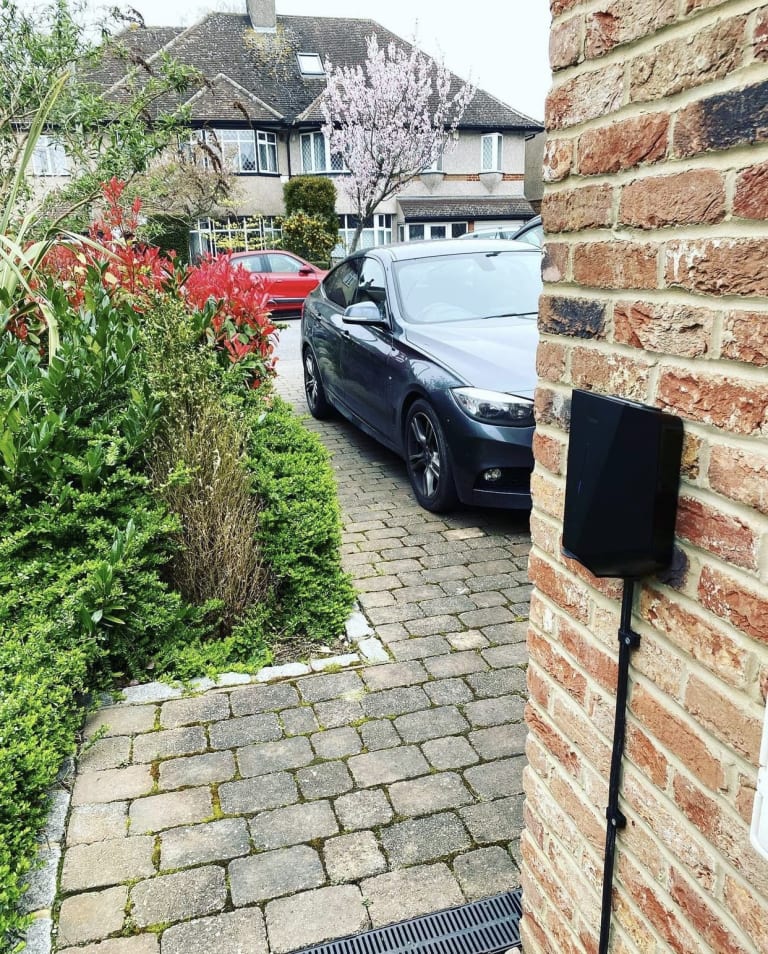
One more reassurance. The slow 7kW charge your home charger delivers is the kindest way to fill a battery, far gentler than repeated rapid charging at motorway speeds. Home overnight charging plus occasional rapids on trips is both the cheapest and the healthiest pattern for the car. Your battery would choose your driveway too.