The Cross Pavement Route
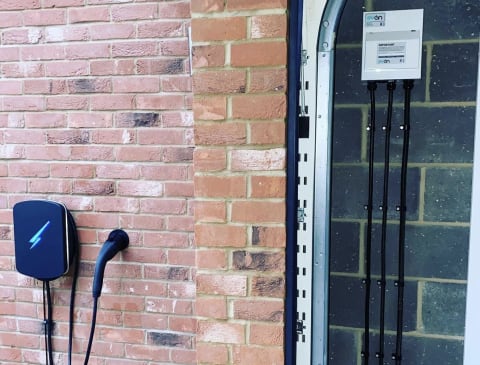
This is the option moving fastest. A narrow channel is cut into the pavement with a self closing lid, your charging cable sits inside it, and you charge from a wallbox on your own house at your own home rates. Products like Kerbo Charge and Gul-e are designed for exactly this.
Council permission is the gatekeeper. As of mid 2026, seven councils run live cross pavement schemes, around twenty are trialling them, and 42 percent of councils plan to offer them by the end of 2026. The Households with On Street Parking Grant puts £500 towards the chargepoint when used with an approved solution.
One thing you cannot do is trail a loose cable across the pavement. Most councils treat it as an obstruction, it is a genuine trip hazard, and you carry the liability if someone falls. The gully exists to solve that properly.
Street and Shared Options
Lamp post and bollard chargers from operators like ubitricity and char.gy turn street furniture into overnight charging, typically at rates between home and rapid pricing. Councils are adding them steadily under the LEVI funding programme, and it is worth requesting one on your street, most operators take suggestions.
Charger sharing apps like Co Charger and JustPark match you with a neighbour who has a driveway and a charger. A regular weekly slot at a host two streets away is how plenty of terraced house drivers run an EV today.
And the classic combination still works: charge at work if your employer has chargers, top up at rapid hubs on long trips, and use kerbside AC where it exists. Not as cheap as home charging, still cheaper than petrol.
Our Honest Take
If your council allows gullies, that is the best answer, home rates without a driveway. If not yet, ask them, the list is growing every quarter. We install the wallbox side of cross pavement setups and can tell you where your council stands.