What Data Gets Shared
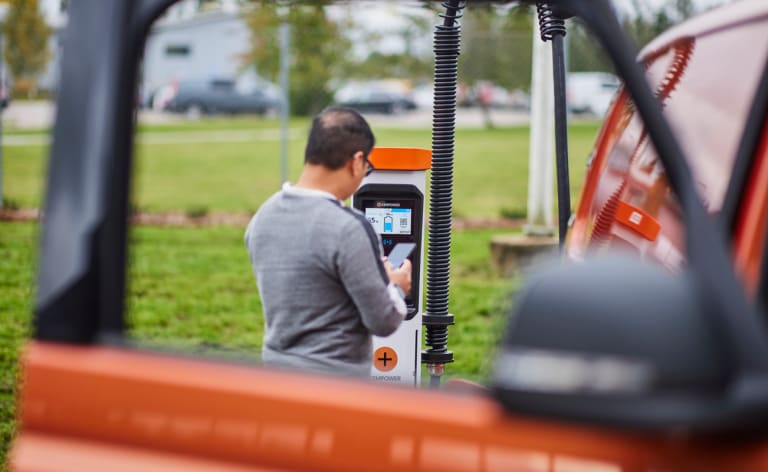
The charging platform sends session data to your telematics system. This includes which vehicle charged, when the session started and ended, how much energy was delivered and what it cost. The telematics system sends back vehicle data including battery state of charge, real time range estimates and consumption patterns.
That two way data flow creates a complete picture. Fleet managers see charging status alongside route data, driver behaviour and vehicle health. No switching between separate systems. A vehicle showing 40% charge and a 60 mile morning route triggers an automatic overnight charge priority.
Range estimates factor in real conditions. Temperature, payload and driving style all affect how far a charge goes. The telematics system calculates realistic range based on actual vehicle data rather than manufacturer figures.
How the Integration Works
OCPP (Open Charge Point Protocol) is the standard communication protocol between chargers and management software. It handles real time status updates, remote start and stop commands, load management and fault reporting. Most modern chargers support OCPP 1.6 or 2.0.
API connections link the charging management platform to your existing fleet software. Platforms like Geotab, Webfleet and other major telematics providers offer EV specific data fields. Charging session data exports automatically to your fleet management dashboard and expense systems.
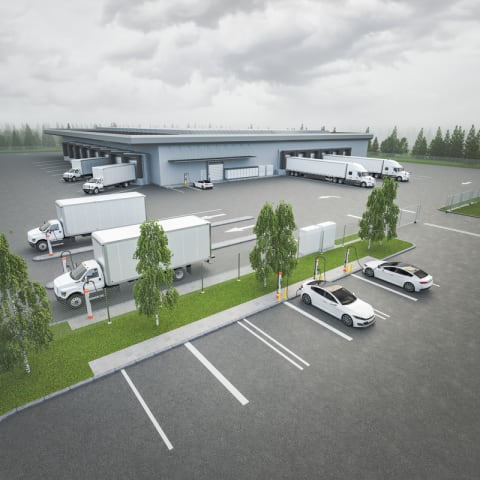
We configure these integrations as part of every fleet installation. The charging platform connects to your telematics on day one. No separate software purchase or additional subscriptions required.
What You Can Do With Integrated Data
Route planning improves because dispatchers see which vehicles have enough charge for their assigned routes. Vehicles with low charge get shorter routes or are flagged for a top up before departure.
Automated scheduling charges vehicles based on shift patterns and electricity tariffs. The system knows when each vehicle leaves the depot and works backwards to deliver a full charge using the cheapest off peak hours. No manual programming.
Consolidated reporting shows total energy costs across all charging locations. Depot, home and public charging sessions all appear in one view. Finance teams see costs per vehicle, per driver and per route. That data feeds directly into expense management and tax reporting.